• Link to Facebook
  • Link to X
  • Link to Pinterest
  • Link to Instagram
  • Link to Youtube
  • Link to LinkedIn
Shine
  • Services
    • Classes
      • Signature + Custom Classes
      • Little Luminaries
    • Workshops
    • Parties + Events
      • Children’s Parties + Events
      • Adult Parties + Events
    • The Shine Studio
    • Hamptons Summer Camps
    • Craft Bags and Online Classes
  • About Us
    • Who We Are
    • Testimonials
    • Press
    • Friends Who Shine
    • Partnerships
    • Job Opportunities
  • Blog
  • Contact Us
  • Click to open the search input field Click to open the search input field Search
  • Menu Menu

The Benefits of Pretend Play & Holiday Gifts That Inspire

Home | Play | Page 5

The Benefits of Pretend Play & Holiday Gifts That Inspire

December 15, 2018/in Celebrate, Fun, Guide, Learn, Play/by Shine

“Play is the work of the child,” once said Italian physician and educator Maria Montessori. If you’ve ever tried to pull a toddler away from a pile of toys, you know what serious business play truly is! Pretend play, in particular, is an integral part of childhood involved in the development of higher cognitive functions – creativity, empathy, abstraction.

The foundation for creative play begins to blossom around 18 months of age with objection substitution, such as pretending a banana is a telephone. The timespan between 3 and 5 is known as “the high season of imaginative play,” where children develop the capacity to interact with imaginary environments. They begin to understand the difference between dress-up and role-playing activities, and replica play using small-scale models. To some degree, pretending continues throughout childhood and even into adulthood – with great benefit.

This holiday season, consider gifts that promote learning through fantasy, role-playing, and pretending.

The Benefits of Pretend Play, According To Science

  • Animal studies have shown that play grows the cerebral cortex, which is responsible for sensory processing, language development, memory formation, and reasoning.
  • Animal studies have also indicated increases in Brain-Derived Neurotrophic Factor during periods of play and exploration. BDNF is essential for the creation, survival, and maintenance of neurons. With high levels, it is easier for the brain to acquire and retain new knowledge, and feel happier.
  • Neuroscientist Jaak Panksepp of Washington State University found that one-third of the 1,200 neocortical genes show significant changes in activity – effectively making rats in the experiment more “social” in nature — after 30 minutes of play.
  • A growing body of research shows play improves a child’s emotional self-regulation, impulse control, and use of language. Children who excel at pretending also display delayed gratification, reduced aggression, civility, and empathy.
  • Social scientists note a direct correlation between pretending and Theory of Mind development, which enables children to understand the variation of perspectives within themselves and the awareness that others may think differently.
  • When dramatic play was introduced to literacy training, children showed better language diversity, as well as increased interest in reading and writing.


Top Pretend Play Gifts

The possibilities are endless, but you can take inspiration from some of the top-selling pretend play gifts:
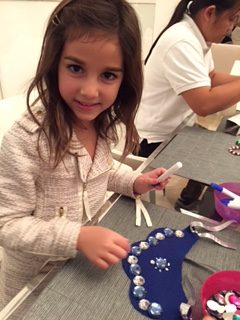
  • Occupational Costumes – Pretend play is about more than princesses and super heroes. Melissa and Doug offer a wide range of occupational outfits, from firefighters, police officers, and construction workers, to chefs, doctors, and airline pilots.
  • Science Sets – Doctor tools never seem to lose their appeal. For less than $20, your aspiring physician could have a blood pressure monitor, thermometers, stethoscope, otoscope, bandages, glasses, a shot, cell phone, and several other items. Outdoorsy types will love camping all winter long with this tree house tent, camping gear set, and picnic basket. Labcoats, scales, rulers, goggles, clipboards, tweezers, beakers, timers, and magnifying glasses are fun pretend play toys for little scientists.
  • Play Kitchens – Boys and girls alike can perfect their practical culinary skills in the comfort of their own pint-sized station by Step2. Most units come with a sink, stovetop, oven, refrigerator, microwave, and pantry, but some high-end models add in a supermarket, grilling station, pizza oven, and coffee maker. The kitchens typically come with an assortment of cheap plastic foods, but don’t expect much quality there. Melissa and Doug offer a great variety of themed food sets our kids love — like salad, sushi, pasta, pizza, and pancakes. Learning Resources sells worthwhile breakfast, lunch, and dinner themed baskets, too. Along the same line, you’ll find diner sets, food trucks, and farmer’s markets.
  • Playsets & Figurines – There are many ways to immerse your child into a miniaturized world filled with communication, problem-solving, and empathy. Playmobil is a tested, tried, and true brand for preschoolers, with sets ranging from zoos, pirates and castles, to farms, dinosaurs, and fairy forests. Their advent calendars are an ideal way to dive right in! Calico Critters is a whimsical brand of animals with their own homes, schools, supermarkets, restaurants, salons, playgrounds, and shops. For the littlest tikes, Fisher Price Little People sets come with bigger, non-choking-hazard pieces. Older kids can combine the love of creation with pretend play using LEGO sets.
  • Housekeeping – Is it ever too early to warm the kids up to the idea of doing a few chores around the house? Choose from themed sets for laundry, indoor scrubbing, vacuuming, or gardening. Baby dolls and accessories let children explore the idea of being mommies and daddies themselves one day to give back all they love they’ve received from you.
  • Vehicle Play – Children love movement, so vehicles are a natural draw. The youngest children will enjoy cruising around the house in a classic foot-to-floor Little Tikes Car, while toddlers will become enthralled by Tonka trucks and train tables, and older kids collect Hot Wheels or ride


How To Encourage Pretend Play

Some children are naturals, while others may need a little more coaching to spark the imagination. Reading is a helpful companion to play, as it gives children fantastical fodder to work with in their pretend realms. You might find it helpful to use stuffed animals, figurines, or puppets to explore real-world challenges you’re trying to assist your child with – be it sharing, dealing with transitions, or eating vegetables. Keep an eye on your child’s natural inclinations and foster whatever weird whims he or she may have – be it an obsession with astronauts or a love of lemonade stands. Be patient and kind to yourself: it may take you a while to get in touch with your inner child and remember how to genuinely enjoy playing.

Whether you’re celebrating Hanukkah, Christmas, Kwanzaa, or Las Posadas, Shine wishes you and your family a wonderful holiday season. If you’re looking to enrich your child’s life with meaningful experiences that combine education and fun in the New Year, we’d love to help. Contact us to learn more about our classes, workshops, City Adventures, and parties.

https://shinenyc.net/wp-content/uploads/2018/12/image6-2.jpeg 162 240 Shine https://shinenyc.net/wp-content/uploads/2021/02/Shine-logo-300x220.png Shine2018-12-15 21:38:222024-09-26 15:59:03The Benefits of Pretend Play & Holiday Gifts That Inspire

The Importance of Music in Early Childhood Development

October 18, 2018/in Guide, Learn, Play/by Shine

“The potential possibilities of any child are the most intriguing and stimulating in all creation,” once said Ray L. Wilbur, the third president of Stanford University. As parents, we yearn to give our children the best foundation. We want them to be happy, talented, intelligent, and successful. Recent advances in neuroscience have allowed a window into the many ways music molds the developing brain, hard-wiring it for all these ambitions.

What Does Research Say About The Importance of Music in Early Childhood?

There is an exhaustive body of research selling music as a pathway to intelligence, ability, and overall happiness. In his 1983 theory of “multiple intelligences,” psychologist Howard Gardner posited that music intelligence is as important as logical and emotional intelligence based on the way that music strengthens the mind-body connection. For instance, children develop better motor skills when movement is combined with music. Neuroscientists have observed noticeable differences in the spatial awareness and language processing centers of the brain in young musicians.

Scientists have called music “a breakthrough” for children ages two to nine. After 15 months of weekly musical instruction, sound discrimination abilities, fine motor skills, and spatial intelligence improve. By age six, children taking music lessons score at least three IQ points higher than their peers. Elementary school children in the best music education programs score about 22 percent higher in English and 20 percent higher in math on standardized tests. The social advantages are not to be overlooked. Though it can be difficult to quantify, music will make your child more interesting and happier. As Dr. Eric Rasmussen of Johns Hopkins University explains: “It gives you a better understanding of yourself… how you think and express yourself are enhanced.”

When Should I Focus on Music Development for My Child?

Researchers describe the ages of 0-6 as the “music babble” stage, where children approach music in a way that is totally different from adults. During these formative years, children do not yet understand the tonalities, meters, and rhythms of music, but they are developing a foundation for music competence.

Children move through the following stages of music knowledge:

  • Acculturation (Birth to Ages 2-4): Unstructured music education provides children with exposure to different tones, keys, harmonies, and meters. Instrumental music works best for children to absorb the different sounds of their environment. Typically, by about 18 months, you will begin to notice the benefit of guided music acculturation over children who have not had the same exposure. Children begin to babble sounds and practice choreographed movements. By the end of this stage, they will echo the tonal and rhythmic patterns they hear, though their performances can still be somewhat hit-or-miss.
  • Imitation (Ages 2-4 to Ages 3-5): Children begin to transition to more purposeful musical action and learn how to teach music to themselves. Rather than directly imitating the adults they hear, children become aware of their own patterns. Eventually, incorrect imitations move toward greater accuracy.
  • Assimilation (Ages 3-5 to Ages 4-6): At this stage, youngsters become aware of musical syntax and comprehend musical phrases. They can perform patterns with precision and coordinate tonal patterns into singing.

During these formative years, the brain is extremely active and flexible in laying down the circuitry for lifelong musical reception and expression. Beyond these early years, you can expect to see impressive gains in your child’s musical aptitude and a mastery of the chosen instrument. Opportunities to travel, perform in large music halls, participate in summer festivals, and develop an identity tied to music aptitude now open up to your child.

What Kind of Music Exposure Does My Child Need?

Northwestern University researchers debunked the so-called “Mozart” myth, which theorized that children who simply listen to classical music develop superior intelligence. Rather, scientists discovered that it’s the act of generating and manipulating sound that rewires the brain for success.

“Making music matters,” they concluded, in the same way that playing sports impacts physical fitness (not watching sports). Parents play a critical role in facilitating a love of music and all the benefits that come along with it. To cultivate a lifelong love of music, parents should follow their intuition, find music their kids love, hire good teachers, and let their child discover an instrument they truly like. Much early childhood music inspires a love of music through the language children speak: play!

The effects can be astounding. Since 2008, 93 percent of low-income children in Los Angeles taking music instruction have gone on to college, despite a dropout rate above 50 percent in their neighborhoods.

How To Help Your Child Shine

Shine offers early music development classes based on the latest research, starting with babies who are less than a year old. Music Stars is our signature music class, incorporating song, storytelling, instruments, and upbeat movements for aspiring young musicians of all ages. Sing & Shine helps ages 0-2 with a themed exploration of instruments, game play, familiar songs, and rock n’ roll with the support of a caregiver. For ages 3-5 or 6-8, we offer Stage Lights, a creative performance class that incorporates puppetry and masks in with music and movement. At age 5, your child can begin more formal Group Music Theory or Private Piano and Guitar lessons. We’re offering cool new Bass and Percussion instruction for older kids now as well. Contact us to learn more.

ADDITIONAL RESOURCES:

https://www.musictogether.com/about/research/research-based-program/importance-of-music-in-early-childhood

https://www.scholastic.com/teachers/blog-posts/elaine-winter/2017/Why-Music-Matters-in-the-Early-Childhood-Classroom/

https://www.parents.com/kids/development/intellectual/6-benefits-of-music-lessons/

https://www.foxnews.com/health/how-important-is-music-education-in-schools

https://shinenyc.net/wp-content/uploads/2018/10/Untitled-2.jpg 963 1001 Shine https://shinenyc.net/wp-content/uploads/2021/02/Shine-logo-300x220.png Shine2018-10-18 20:23:132024-09-26 15:59:03The Importance of Music in Early Childhood Development

A Few Fun Things To Do In NYC and The East End Before Summer Is Over

August 21, 2018/in Celebrate, Fun, Guide, Learn, Play/by Shine

“Summer will end soon enough, and childhood as well,” once said Game of Thrones author George R.R. Martin. The thought of these warm, sunny afternoons coming to an end is enough to put a brief chill in your bones. Thankfully, New York City and Long Island’s East End offer a plethora of last-minute events, giving us that one last taste of summer. Here are a few activities we recommend…

Color Factory

The Color Factory pop-up exhibit started in San Francisco and makes its Soho debut on August 20th in a 20,000 square-foot commercial space located at 251 Spring Street near Avenue of the Americas. It’s hard to imagine what your Instagram might be missing, but how about wading in a bright yellow sea of 207,000 balls? Or perhaps you’d like a photo of your little ones on rainbow-colored stairs that seem to go on for miles? Kids and grownups alike will love grooving on the luminous dance floor, designing their own custom color ice cream scoop, walking along a giant infographic to reveal their “secret color,” and gazing upon floating balloons with wishes for the world written by students at 826NYC. The collection of 16 unique exhibits inspires wonder and fosters art appreciation. Before you leave, be sure to grab a “Local Color” neighborhood map that directs you to 20 unique color experiences hidden in downtown Manhattan to discover.

The Color Factory
251 Spring Street
Manhattan, NY 10013

Get your tickets here. (Kids 2 and under are free!)

Pier 2 Pop Up Pool

While McCarren Park’s new pool soaks up the spotlight, you and your family can slink off to Brooklyn Park’s coolest “hidden gem.” The Pop-Up Pool is a small, kid-friendly 3.5-foot-deep pool that allows just 60 people in at a time between 10 am and 5 pm. Arrive at least 30 minutes prior to get free, “first come first served” wristbands for your 45-minute session. You’ll also find a nice sandy beach area with umbrellas, prime for relaxing; a concession stand serving burgers, dogs, and ice cream; plus you have all the beauty of Brooklyn Bridge Park at your disposal, with its playgrounds, picnic tables, rolling greens, volleyball courts, soccer fields, and public art displays. Try to go on a weekday when it’s less crowded if possible. Otherwise, keep the sprinkler park on Pier 6 or a stop at Ample Hills Creamery on Pier 5 in mind as your back-up option to avoid disappointment.

Brooklyn Bridge Park, Pier 2
150 Furman St.
Brooklyn, NY 11201

Candytopia

The Candytopia interactive art installation is recommended for anyone who has ever dreamed of eating their way through the Candyland board game or taking a tour of Willy Wonka’s Chocolate Factory. You’ll be treated to candy portraits inspired by Andy Warhol, Van Gogh, and Leonardo daVinci. You’ll see flying unicorn pigs, a candied sphinx, and a pit of marshmallows. There’s no shortage of photo opps throughout the sugary spectacle. Gummy candies, chocolates, nostalgic favorites, and other sweets will be provided throughout your tour to satisfy your sweet tooth. This whimsical wonderland is only open August 15th through November 15th, so get in while you can!

Penn Plaza
145 W 32nd Street
New York, NY 10001

Get your tickets here! (Children 3 & under are free.)

2018 Riverhead Railroad Festival

Train-obsessed kids can get a close-up look at some of Long Island’s historic railcars August 25th-26th from 10 a.m. to 4 p.m. Take the 10:15 AM Greenport Scoot to visit the Greenport Museum, with a ride back to Riverhead at 12:50 PM. Ride on a restored 1964-1965 LIRR World’s Fair park train. Visit a historic Lionel layout. Race miniature locomotives. Purchase your own train set. See G, O, HO, N and Z scale layouts. See historic blacksmithing demos. Enjoy refreshments and live music.

Railroad Museum of Long Island
416 Griffing Avenue, Riverhead
Fourth Street, Greenport

Get tickets at the box office for just $10. (5 and Under free!)

Harbes Family Farm Watermelon Festival

Calling all watermelon lovers August 25th-26th from 10 am to 7 pm! Harbes Family Farm welcomes you to a day full of contests from watermelon rolling to seed spitting. Kids will love the Barnyard Aventure – a singing hayride that tours the 100-acre farm, complete with pig racing and other friendly farm animals. Other highlights include: giant bouncing pillows; a goat bridge and mountain slide; a Sports Zone with baseball, football, and basketball toss games; and a hands-on preschooler playland. Adults will be treated to the relaxing sound of live rock, pop, and blues in the courtyard from 1-5 pm. Don’t forget to pick your own perfect watermelon and grab a bottle of their award-winning wine to take home.

Harbes Farm & Vineyard
715 Sound Avenue
Mattituck NY 11952


Contact Shine to find out many more ways to make the end of summer meaningful.

https://shinenyc.net/wp-content/uploads/2021/02/Shine-logo-300x220.png 0 0 Shine https://shinenyc.net/wp-content/uploads/2021/02/Shine-logo-300x220.png Shine2018-08-21 20:42:012024-09-26 15:59:03A Few Fun Things To Do In NYC and The East End Before Summer Is Over

Benefits of Early Childhood Chess

June 18, 2018/in Fun, Learn, Play/by Shine

This year, the country of Armenia made chess compulsory in schools for all children over six years of age. American educators may not be as gung-ho about early childhood chess – but they should be. In an era where we’re all reasonably concerned about “screen time,” introducing chess to a young child is a gift beyond measure and a classic bonding activity to share with parents, siblings, and grandparents.

What Are The Benefits of Chess For Kids?

A growing body of research shows that learning chess:

  • Correlates with higher scores on mathematical and critical reasoning tests.
  • Improves reading test scores and proficiency among elementary school-aged children.
  • Increases brain activity in areas associated with calculation, concentration, and recognition.
  • Boosts IQ scores, overall intelligence, patience, perseverance, intuition, and creative thinking.
  • Teaches restraint, taking responsibility for one’s actions, and winning or losing graciously.

When To Start Chess For Kids

It’s understandable that any chess-loving parent would want to share their love of the game with a child as soon as possible, but push too hard too soon and you could spoil it. Surprisingly, educators say babies can begin learning the fundamentals of chess in diapers — as young as two – if taught the right way. Instruction should be fun and casual, with focus on identifying the different pieces and talking about how they move or capture. By age five, simply moving the pieces correctly would be a reasonable goal. By seven or eight, your child could be out-maneuvering you on the chess board!

Chess Sets For Beginners

While you can find Mario World and Star Wars themed chess sets, it’s best to start with a more basic looking set to teach the pieces and the moves without so much distraction. There are countless chess sets aimed at beginners, but we like this one from the MoMA. You may also choose a set like No Stress Chess, which includes activity cards to help young kids learn the game. The Chess Teacher is another large set that is easy for smaller hands to maneuver. For the next level, the Kids’ Book of Chess and Chess Set is geared toward ages 8 and up with colorful fantasy illustrations of beginning, middle, and end game offensive and defensive strategies.

Get Started: Chess Camps in NYC (Ages 3-12)

We’re pleased to announce Chess At 3 will be making regular appearances at Shine camps this summer. Their emphasis on teaching through storytelling helps kids win and lose graciously, and weaves history, math, and physical activity into every brain-building session. They’ve been equipping NYC kids as young as three with life skills and learning tools since 2006, so we’re excited to partner up with them to offer your child even more value. Contact us for details.

https://shinenyc.net/wp-content/uploads/2021/02/Shine-logo-300x220.png 0 0 Shine https://shinenyc.net/wp-content/uploads/2021/02/Shine-logo-300x220.png Shine2018-06-18 17:22:352024-09-26 15:59:04Benefits of Early Childhood Chess

Why Tennis Lessons Are Great For Kids Under 10 — And How To Get Them Started

June 4, 2018/in Fun, Learn, Play/by Shine


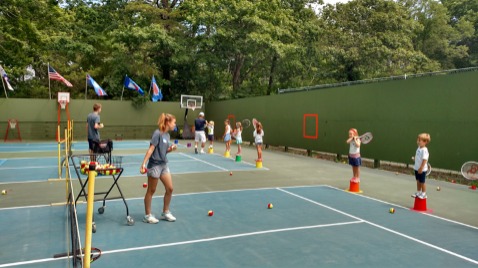
Tennis is the perfect sport for young kids to learn. It’s safer than contact sports, and you can pick up all your supplies for under $10. You can play on a free public court, and you don’t need to assemble a team. Tennis is one of the few multigenerational sports that connects family members of all ages together. Youngsters begin with “Mommy and Me” classes, stay connected with parents through the teenage years, and play with their grandparents. That’s why tennis is “the sport for a lifetime.”

What Are The Benefits of Tennis For Kids?

Compared to other sports, tennis:

  • Improves grades, concentration, focus, independence, and ability to handle stress.
  • Boosts tactical thinking that generates nerve connections to promote lifelong brain development.
  • Develops hand-eye coordination, speed, balance, strength, fine motor control, and flexibility.
  • Burns more calories than aerobics, rollerblading, or cycling to foster healthy weight management.
  • Promotes “A” grades in school among 48% of players (compared to 25% of non-athletes.)
  • Provides a fun, social activity that people tend to stick with throughout the years.
  • Helps kids learn to win or lose gracefully, manage mistakes, develop perseverance, and recover from stress.
  • Yields higher scores in vigor, optimism, and self-esteem than other sports (according to SCSU research.)

Over the long-term, renowned epidemiologist Ralph Paffenbarger found that people who played singles tennis at moderate intensity for just two to three hours per week, cut the risk of death from any cause in half. Who wouldn’t want to give their children the gift of longevity if they could?

When To Start Tennis Lessons For Kids

Most experts agree that four is the earliest age you’d want to begin introducing tennis. The key to getting young kids interested in tennis is to keep it playful and fun, rather than competitive. Specialization can take as long as a decade to achieve, so there is much merit in getting kids onto the court with continuous movement and instruction to learn as they go through gameplay, rather than standing in line and doing drills. “You work on coordination games, movement games, and teaching them building blocks of playing the sport,” explains George Garland, director of Go! Tennis in Queens. For kids ages 4-7, 30 minutes of tennis instruction is plenty. Kids ages 8-12 may increase to 45 minutes.

Tennis Equipment For Beginners

The size tennis racquet you need depends upon the age of your child:

  • Ages 4-5: 21 inches
  • Ages 6-7: 23 inches
  • Ages 8-10: 25 inches

Look for red felt or foam balls, which weigh less and have a slower bounce than official regulation tennis balls. These balls may not last as long for the money, but they give children plenty of reaction time and are softer for safety sake.

Get Started: Arts & Tennis Afternoon Camp (Ages 4-12)

Join us at Hampton Racquet this summer on Tuesdays, Wednesdays, and Thursdays from July 2nd – August 30th from 3:45 – 6 p.m. The brand-new “Creative Arts & Tennis Afternoon Camp” introduces children ages 4-12 to the love of learning tennis. We provide masterful instruction from John Graham, racquets, age-appropriate groups, healthy snacks, drinks, and art materials with guided instruction. Inspired by the East End, children are exposed to a variety of creative themes, from local flora and fauna, to architecture and history, explored through a variety of mediums. This unique opportunity engages children in sports, constructive arts, science, nature exploration, games, and books for $99/day, with discounts available for 10+ classes. For more information or to register, email rebecca@shinenyc.net.

https://shinenyc.net/wp-content/uploads/2021/02/Shine-logo-300x220.png 0 0 Shine https://shinenyc.net/wp-content/uploads/2021/02/Shine-logo-300x220.png Shine2018-06-04 13:47:302024-09-26 15:59:04Why Tennis Lessons Are Great For Kids Under 10 — And How To Get Them Started

Easy Spring Plants To Get Young Children Interested in Gardening

May 8, 2018/in Fun, Learn, Make, Play/by Shine

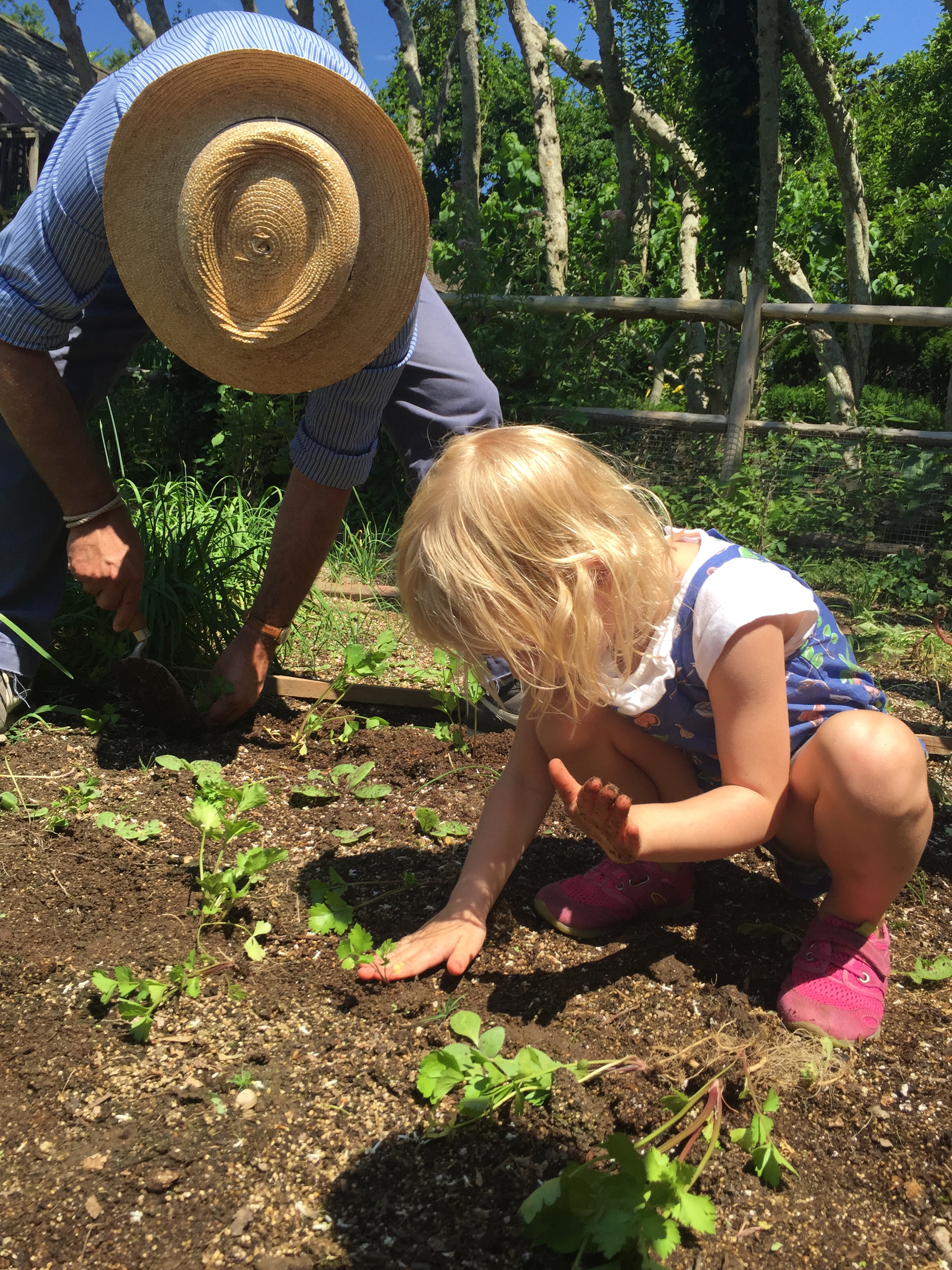
A garden is one of the most beautiful gifts you can give your child. It’s a place of escape, where you can gaze upon the wonders of nature, and a method for demonstrating the positive benefits of hard work, patience, and tender loving care.

“Usually children spend more time in the garden than anybody else,” says Carol Williams in her book, Bringing a Garden to Life. “It is where they learn about the world, because they can be in it unsupervised, yet protected. Some gardeners will remember from their own earliest recollections that no one sees the garden as vividly, or cares about it as passionately, as the child who grows up in it.”

It’s never too early to expose your little ones to the joy of gardening, although there are certain obvious limitations. Prior to kindergarten, the wait can seem agonizing. The littlest ones are often appeased with rudimentary tools and the opportunity to get their hands dirty. Keep a watering, weeding, fertilizing, and projected growth date calendar for three and four-year-olds to maintain your child’s interest throughout the season.

Try the following plants to inspire your little “green thumb”:

Beans and Peas

Peas and beans sprout from seed within a week, making them the best beginner plants. Beans are so easy to grow, you can grab a few dried pinto, black, or kidney beans right from your cupboard, place them on a wet paper towel inside a plastic bag on a sunny windowsill, and watch them start to sprout before your very eyes. If you’d rather get your hands dirty outside, a bush bean variety like the “Purple Queen” is easy for kids to spot and pick. We also love this whimsical Bean and Morning Glory Teepee, which provides a fun outdoor playhouse for your child all summer long.

Plant: 1 inch deep, 3-4 inches apart

Sun: Full (about 8 hours/day)

Water: 1 inch per week

Herbs

Herbs like Mint or Basil are particularly hardy. They grow fast and furious in as little as four days, and can withstand a bit of stomping. Some toddlers will even pick and eat the fresh leaves. Chives and Cilantro take about 10 days to get going, but cilantro will require more careful care, as it has a tendency to bolt if it’s not cut back in time. Dill, Oregano, and Thyme can take two weeks to grow. Sage and Parsley are considerably slower with four weeks before germination. You can grow herbs in a pot, a windowsill box, or the ground.

Plant: Six to 10 inches down, 10-12 inches apart

Sun: Part Sun (about 4 hours/day)

Water: As needed – when soil feels dry to the touch

Sunflowers

Any kid who has ever read “Jack and the Beanstalk” will be astounded by a sunflower’s impressive growth. Dwarf varieties grow two or three feet tall, but Mammoth Russians, American Giants, and Giganteus sunflowers can reach 12 to 15 feet. The seeds begin to sprout in just seven to 10 days, with big bright flowers appearing in two months, and the first seeds developing three to four months later. To enjoy continuous blooms all the way until the first frost, sow a new row of seeds every two to three weeks.

Plant: Two feet down, two to three feet apart

Sun: Full (about 8 hours/day)

Water: Several gallons, once a week

Radishes

Radishes may not be your child’s favorite vegetable to eat, but they sure grow swiftly. The “Easter Egg” variety produces mature red, purple, and white vegetables in one month. The French enjoy radishes with butter and salt, the Koreans pickle them, Mexicans throw them into tacos, and the British put them on tea sandwiches. Here in America, we tend to chop them up into picnic salads with eggs and mayonnaise.

Plant: ½ inch deep, 12 inches apart

Sun: Full (at least 6 hours)

Water: 2-3 hours once the soil is dry four inches down

Cherry Tomatoes

Tiny tomatoes are the perfect fresh-off-the-vine food to snack on. Little hands can harvest ripened tomatoes planted from seedling in less than two months. Look for varieties like the Super Sweet 100, Sun Sugar, Black Cherry, and Husky Cherry Red for extra sweet flavor. If your child isn’t crazy about eating a raw tomato, you can turn them into tomato salsa, pasta sauce, soup, or bruschetta topping.

Plant: ¼ inch deep, 24 inches apart

Sun: Full (8 or more hours/day)

Water: 1.5 inches per week

Why Not Take A Class?

Shine’s “Garden Project” class, geared toward ages 3-5 or 5-7, is another ideal way to spark your child’s interest in gardening. Our projects combine art, science, and nature in highly engaging ways to foster lifelong learning, creativity, and Earth stewardship. Contact us for more details.


References:

http://www.gardendigest.com/family.htm

https://www.parenting.com/article/gardening-kids

https://garden.org/learn/articles/view/4056/

http://homeguides.sfgate.com/tall-can-sunflower-grow-year-70410.html

https://www.almanac.com/plant/sunflowers

https://www.epicurious.com/archive/blogs/editor/2014/04/the-tk-best-ways-to-eat-radishes.html

https://www.sciencekiddo.com/bean-seed-in-a-bag/

https://bonnieplants.com/library/the-basics-of-tomato-flavor/

https://shinenyc.net/wp-content/uploads/2021/02/Shine-logo-300x220.png 0 0 Shine https://shinenyc.net/wp-content/uploads/2021/02/Shine-logo-300x220.png Shine2018-05-08 16:34:282024-09-26 15:59:04Easy Spring Plants To Get Young Children Interested in Gardening

Ways to Have a Meaningful Mother’s Day at Home

May 5, 2018/in Celebrate, Make, Play/by Shine


Mother’s Day spending is expected to reach $23.1 Billion this year, according to the National Retail Federation. The average person will be spending an average of $180 to lavish mom with attention with everything from flowers, jewelry, and brunch, to electronics, spa services, and day trips.

Yet, most moms admit what they really want on Mother’s Day are the simple things – a morning in bed, a cup of tea, family snuggles, a roast cooked for them, homemade cards, and a nature walk. Mothers of young children, in particular, long for a little peace and quiet – or just a calm day with no meltdowns.

NYC is a flurry of Mother’s Day events, but if the simple pleasures are more your speed, try one of these meaningful Mother’s Day activities at home.

Brunch outside

After a miserable April, forecasters are calling for temperatures up in the 70s. It may be cloudy and slightly damp from Saturday rain, but still a decent day for dining al fresco.

  • Outdoor brunch – Make fresh-squeezed juices, quiche, and fruit salad to enjoy lunch outside on the patio.
  • Picnic – It’s not too early for sandwiches, watermelons, chips, pasta salad, and lemonade in a wicker basket.
  • BBQ – Dads aren’t the only ones who like cheeseburgers, hot dogs, barbecue drumsticks, and corn on the cob.
  • Tea Party – Make the afternoon special with homemade scones, tea, a mini honey pot, and fancy finger food.

If the weather doesn’t cooperate, there’s always the classic option of breakfast in bed. Older kids may enjoy whipping up an omelet with dad, while younger ones are perfectly capable of stirring up waffles with a side of strawberries. Don’t forget the coffee in mom’s favorite mug!

Get crafty

Crafts are a calming way of spending quality time together, whether the kids are big or small. You don’t need to have any particular craft in mind. Freeform is sometimes the most fun way to go, with the right supplies on hand. Consider:

  • Rock salts, glue, and watercolor paints
  • Clay flower pots, craft paint, rubber stamps, rhinestones, and mini fairy or gnome figurines
  • Pom-poms, googly eyes, pipe cleaners, popsicle sticks, glue, magnetic tape
  • Felt, buttons, scissors, glue, ribbon, glitter
  • Paint-by-Number kits
  • Perler Beads or Aquabeads kits

On a nice day, get outside with sidewalk chalk. Keep the kids occupied drawing a pretend town or other fantastical setting. Draw classic Hopscotch, bulls-eye beanbag toss, Tic-Tac-Toe, or obstacle courses for hours of fun.

Take a trip down Memory Lane

What better opportunity to reflect upon the sweet morsels of motherhood past and present than Mother’s Day?

  • Break out the oldies. Kids love looking through albums of old photographs and watching home movies.
  • Create a comic strip. Older kids can illustrate an event, celebration, or humorous incident from the year.
  • Preserve history. To honor a deceased mother, order signature jewelry or handwritten recipe pottery.
  • Check out Ancestry.com. Older children may enjoy looking at the family tree, historic documents, and photos.
  • Sit down for family scrapbook making. Begin a tradition of creating a beautiful annual keepsake, chronicling the past year. Print out your photos using a service like Snapfish or Shutterfly. Stop by the craft store to get scrapbook paper, stickers, hole punchers, and stamps for adorning. To make your scrapbook even more meaningful for next year, keep a running list of funny quotes from the kids to add.

Garden together

If you’re not one to “relax,” special day or not, visit the local nursery to pick out new flowers or vegetables for the garden a few days in advance. Then spend Mother’s Day weeding, planting, and sharing stories with those you love.

  • Make it more fun for the wee ones. Kids love having their own watering cans and pint-sized tools.
  • Adorn it. Paint and decorate rocks to add to your garden.
  • Choose long-lasting cut flower varieties. Shop for daisies, dahlias, mini sunflowers, asters, scabiosa, coneflowers, or larkspur to make beautiful arrangements all summer long.

Snuggle up to a Mother’s Day movie

Kids are only so little for so long. When the sun goes down, pop the popcorn, line the couch with blankets, and enjoy one of these movies suitable for Mother’s Day:

  • Dumbo – A circus elephant with big ears finds himself on his own once his mother is locked away for sticking up for him. In the end, Dumbo realizes the source of his ridicule is actually his strength and reunites with his mom.
  • The Boss Baby – New moms will empathize with the hilarious take on bringing a new baby into the house. If you haven’t seen it yet, this Pixar film uses a mix of beautiful animation styles, while inserting a few much-appreciated adult jokes and “30 Rock” style humor. Yet, it’s also captivating enough for a 2-year-old.
  • Brave – It can be difficult for adolescents to reconcile their mothers’ dreams for them with the aspirations they have for themselves. Princess Meridia lands her mother and herself into trouble with a witch in this Disney flick.
  • The Incredibles – Elastigirl is not just the wife of Mr. Incredible. She’s a fantastic superhero mom, too!
  • Freaky Friday – Tess Coleman and her daughter Anna wake up in each other’s bodies for a day, which helps them learn to get along better.
https://shinenyc.net/wp-content/uploads/2021/02/Shine-logo-300x220.png 0 0 Shine https://shinenyc.net/wp-content/uploads/2021/02/Shine-logo-300x220.png Shine2018-05-05 17:33:122024-09-26 15:59:04Ways to Have a Meaningful Mother’s Day at Home

Best Enrichment Activities for Autistic Children

April 6, 2018/in Guide, Play/by Shine


About 1 in 68 children has been identified with autism spectrum disorder in the United States – a rate that has doubled over the last 15 years. Researchers estimate that the lifetime cost of caring for a child with autism can be as high as $2.4 million. But even harder than the financial burden, is the emotional toll it takes as parents try to help their children through behavioral issues, social stigmas, and a world that, at times, doesn’t seem to fit their needs.

For Autism Awareness Month, we’d like to shine the spotlight on a few local programs, events, and groups taking great strides to create safe, accepting spaces where kids and parent can take a break, relax, and enjoy what all children should have access to – stories, songs, sensory activities, and socializing.

Upcoming Autism-Friendly Events in NYC

  • Air Play – Watch in amazement as colorful umbrellas, balloons, and acrobats take flight in New Victory Theater. The accessible 11:30 am, April 14th performance offers special features like lowered sound, dim-not-dark lighting, a calming corner with fidget toys and bean bag chairs, gender neutral restrooms, and autism specialists available to lend a hand.
  • Autism-Friendly Program for Ages 6-18 – Visit Queens County Farm Museum on Wednesday, July 25th from 9-11 am to observe livestock such as goats, sheep, alpacas, pigs, hens, and steer. Take a tractor-drawn hayride. Tour the growing fields, sensory gardens, and historic farm houses. Families will receive a site-specific social story and trip preparation sheet prior to the visit.
  • Big Umbrella Festival – For the month of April, Lincoln Center is hosting its first-ever theatre festival geared toward young audiences on the spectrum. Kids can explore jazz instruments, the world of chamber music, ballet movements, storytelling, short films, puppetry, and sensory-filled performances that are warm and welcoming. Don’t miss the hugely popular Light Show or Up and Away.

Autism-Friendly Programs in NYC

  • Adaptive Climbing – With centers in Brooklyn and Queens, Brooklyn Boulders invites children ages 4-17 to try out rock climbing for a discounted price, geared specifically toward individuals with disabilities and their siblings. If your child loves the affordable and accessible clinics, there are opportunities to climb outdoors, travel, and engage in friendly competitions.
  • Sensory Friendly Films – Participating AMC locations in Manhattan, Brooklyn, and Queens invite families with children 2+ to special engagements on Tuesday evenings, as well as the second and fourth Saturdays of the month, where the sound is turned down and the lights are turned up. Kids can sing, dance, get up out of their seats, and express themselves without reprimand. The latest screenings include Ready Player One and Rampage for older kids, as well as Sherlock Gnomes and SGT Stubby for the younger squad.
  • The Discovery Squad – The American Museum of Natural History is one of our favorite field outings. Who doesn’t love giant sea mammal, dioramas, and real dinosaur bones? On select Saturday mornings, you can take a 9 a.m. guided tour customized to kids ages 5-14 on the spectrum, developed in collaboration with the Seaver Autism Center. Spots are selling out, so be sure to advance register for an upcoming tour on July 14th, August 4th, or September 1st.

Come Join Our Shine Family!

We all want the best for all kids – for them to reach their true potential. Research shows that art therapy, storytelling, and inclusive classrooms offer some of the greatest benefits for kids who fall within the spectrum. Shine camps, classes, workshops, and parties provide inclusive settings, where all kids can explore multiple modes of learning. We also offer on-location activities and support for birthday parties, as well as Family Coaching.

Contact us with any questions on our offerings to see how we might be the missing piece of the puzzle you’ve been looking for to help with your family dynamic.


Additional Resources:

Science Daily – Art Therapy Best Practices For Children With Autism, https://www.sciencedaily.com/releases/2017/07/170720103604.htm

Autism Parenting Magazine – Ways Storytelling Can Benefit Autism Kids, https://www.autismparentingmagazine.com/ways-storytelling-can-benefit-autism-kids/

Journal of Child Psychology & Psychiatry Longitudinal follow-up of academic achievement in children with autism from age 2 to 18. https://www.ncbi.nlm.nih.gov/pubmed/28949003

https://shinenyc.net/wp-content/uploads/2021/02/Shine-logo-300x220.png 0 0 Shine https://shinenyc.net/wp-content/uploads/2021/02/Shine-logo-300x220.png Shine2018-04-06 16:04:362024-09-26 15:59:04Best Enrichment Activities for Autistic Children

Creative Twists on the Traditional Easter Egg Hunt

March 15, 2018/in Celebrate, Fun, Make, Play/by Shine

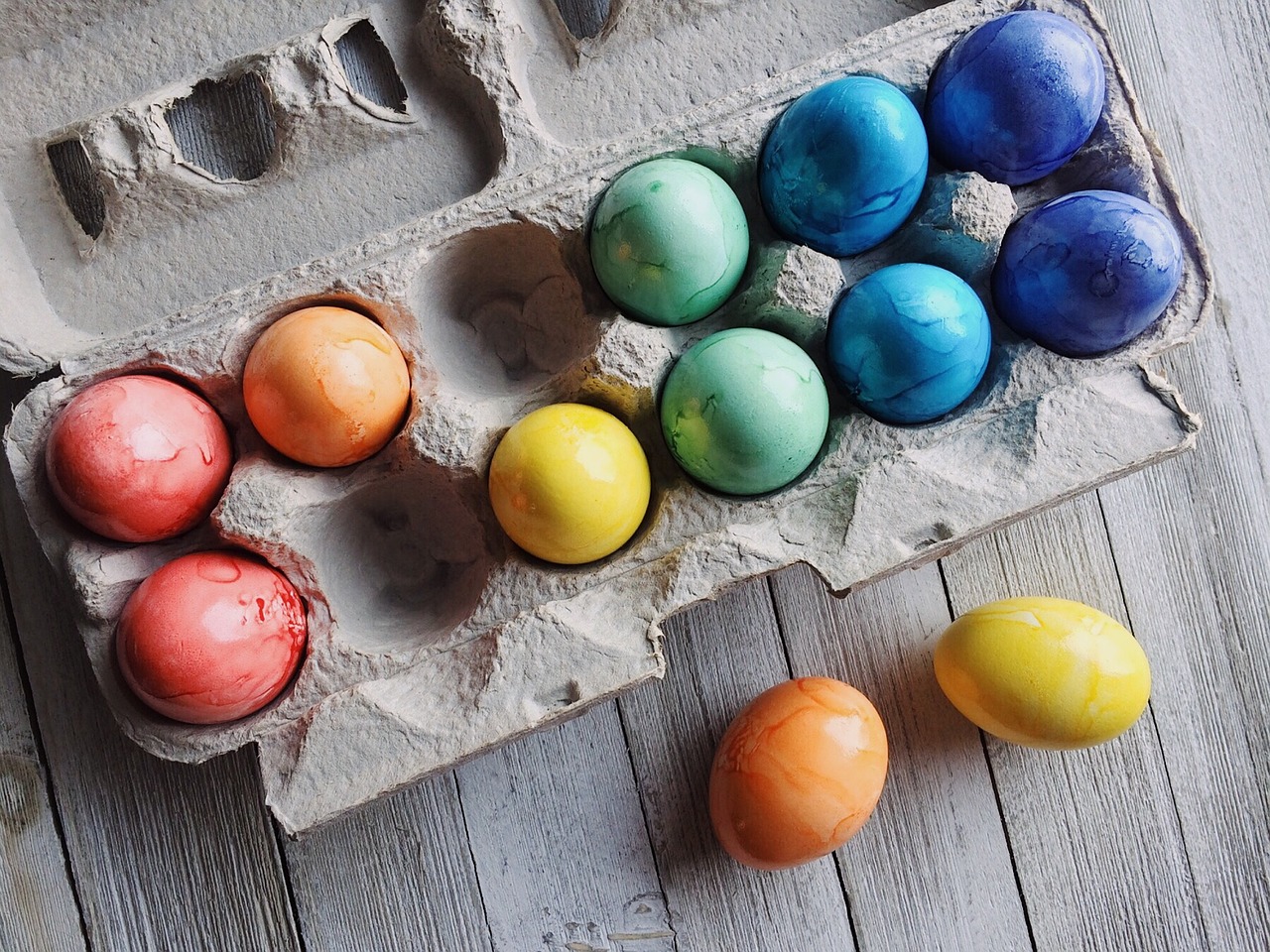
The traditional egg hunt game may use dyed hardboiled eggs, plastic eggs filled with coins or candy, or foil-wrapped egg-shaped chocolates hidden around the yard for kids to find. The game may also be played indoors, with or without additional prizes awarded for finding the most eggs, the largest egg, eggs of specific colors, or the prize egg. The treasures are placed at varying levels with different degrees of concealment to accommodate kids of all ages. As parents and educators, we’re always striving to present new twists on tired old themes to spark the thrill of discovery. Try these Easter Egg Hunt ideas to spark young imaginations.

For Indoors: Balloon Egg Hunt

Floating obstacles make everything more fun! Hide all the Easter eggs in a small room of the house, filling it with colorful balloons for an exciting challenge. Clever variations for toddlers include putting balloons in a tent outside or tying balloons to each egg to make them easier to discover. Playing in the “balloon ball pit” is half the entertainment.

For A Brain Boost: Puzzle Pieces Egg Hunt

Hide a puzzle piece in each egg. The 36-piece Beatrix Potter jigsaw puzzles work nicely for an Easter theme or you could customize a blank puzzle with a special message. Once everyone assembles the puzzle together, kids can dip into their Easter baskets for a reward. If you have more than one older child with stamina, you can do multiple puzzles, separating the puzzles into different colored eggs to keep them straight. Another variation involves writing letters on the eggs so they spell out the alphabet (for younger children) or an Easter-related word (for older children) when they’re all assembled together.

For the Active: Obstacle Course Egg Hunt

Kindergartners with limitless energy will love overcoming physical feats to find their eggs. One tricky mom hid plastic eggs and balls inside a lady bug tunnel, tied balloons to hula hoops with eggs hidden beneath, and eggs obscured by Easter grass in a baby pool. Additional obstacles include sawhorses to climb under, construction cones to weave through, two shoeboxes to step into and shuffle along, a wood plank balance beam to walk across, slides, tumbling mats, wooden stumps or pails to step across, chairs to crawl under, and ladders to climb.

For the Problem Solver: Scavenger Hunt

As your kids get older, you’ll notice what used to take them a good half hour is now over in all of five minutes. A scavenger hunt is a great way to get growing minds engaged and to make the hunt seem less “babyish.” Start by handing each child an egg with a written clue as to the hiding spot of the next egg. The final clue should lead to the Easter basket or some other big prize like a book or chocolate bunny. Darling Doodles has a great set of clues or blank stationery you can use. Another twist on the Scavenger Hunt idea is to make it pirate-themed as a Treasure Hunt of sorts. If you’re stumped for clues and hiding spots, The Spruce has a good run-down. A Mom’s Take created a simple printable checklist of hidden items to find – different colored eggs, bunny tracks, flowers to smell, critters, and baskets. These activities encourage kids to slow down and enjoy the search.

For the Novelty: Glow-in-the-Dark Egg Hunt

Who says Easter Egg Hunts have to be in the morning? Place a glow bracelet and your favorite filler inside a plastic egg and tape it shut. The eggs are easy to find, but many little ones delight in carrying flashlights. Put your kids in reflective clothing or a glow necklace to keep track of them easily, and be sure to scout the area for potential hazards while it’s still light out. For older kids, hide the eggs under rocks and leaves, inside flower pots, and in other places where they’re slightly hidden from plain view.

One Final Word

Remember, your eggs don’t have to be packed full of candy. Some people use Monopoly Money that can be “cashed-in” for a special prize like a coloring book, stuffed animal, or gardening tool kit. You can put Legos, Mr. Potato Head pieces, miniature cars, coins, dollar bills, stickers, tattoos, Barbie accessories, or Safari Ltd animals. Gift young kids magnetic easels and hide the magnetic numbers and letters inside the eggs. Have the kids hunt for pieces of their lunch like sandwiches, goldfish crackers and grapes hidden in eggs. Some parents write up “Privilege Eggs,” where children receive handwritten tickets they can redeem for special allowances like an extra cookie, fifteen more minutes of play time before bed, or a special outing with mom and dad. For more ideas on creating an unforgettable Easter morning, contact the educators at Shine.


Additional Easter Egg Hunt Resources:

https://en.wikipedia.org/wiki/Egg_hunt

http://www.goodhousekeeping.com/holidays/easter-ideas/g4151/easter-egg-hunt-ideas/

https://www.thedailymeal.com/holidays/10-best-easter-egg-hunts-all-ages

http://mommyuniversitynj.com/2015/03/23/10-brain-boosting-easter-egg-hunt-ideas-without-the-candy/

http://makethebestofeverything.com/2013/02/puzzle-easter-egg-hunt.html

https://surnamejames.wordpress.com/2012/04/08/easter-scavenger-hunt/

https://entertainment.howstuffworks.com/backyard-fun-games/make-backyard-obstacle-course-kids1.htm

https://shinenyc.net/wp-content/uploads/2021/02/Shine-logo-300x220.png 0 0 Shine https://shinenyc.net/wp-content/uploads/2021/02/Shine-logo-300x220.png Shine2018-03-15 19:28:142024-09-26 15:59:04Creative Twists on the Traditional Easter Egg Hunt

Top 5 Irish Recipes for St. Patrick’s Day

March 9, 2018/in Celebrate, Fun, Make, Play, Read, Taste/by Shine

International Kid-Friendly Food:

Top 5 Irish Recipes For St. Patrick’s Day

The first St. Patrick’s Day parade was held, not in Ireland, but here in New York City in 1762. Corned beef and cabbage is a culinary tradition started by Irish-American immigrants who were able to purchase expensive kosher meats from their Jewish neighbors. They threw the flavorful salted meat into a pot with beloved potatoes and affordable cabbage – and the rest is history. Contemporary St. Patrick’s Day menus in the homeland include dishes like fried lamb belly fingers, slow-poached organic chicken with tarragon, colcannon (mashed potatoes with kale), roasted carrots, and herbed Irish cheddar croquette.

Whether you’re in New York or Ireland, cooking a meal together as a family is a beautiful tradition. Your menu doesn’t have to be fancy. We’ve dug up five good old-fashioned Irish recipes to enjoy cooking and eating with your children this St. Paddy’s Day. Before you get started in the kitchen, take the kids down to The Butcher Block in Sunnyside, Queens for authentic Irish provisions, including back bacon, rashers, black pudding, Irish teas, Kerrygold cheese, sweets, sauces, spreads, and breads.


Irish Soda Bread

From Chef Darina Allen, courtesy of National Geographic

Homemade soda bread is a staple in any Irish pantry. White soda bread is made with white flour, while brown soda bread is made with buttermilk and whole-wheat flour. It’s traditionally fashioned into a round loaf with a cross etched in the middle – to keep out the fairies, naturally! Allen’s basic recipe takes just two minutes to put together and 40 minutes to bake. “Your soda bread is not a soda bread we would recognize,” she explains. Americans “gussy up” their soda breads with raisins and caraway seeds – which appeals to our youngsters, no doubt — but over in Ireland, they call that type of bread a “spotted dog.”

Get Chef Allen’s recipe or, if you prefer adding goodies, try this third-generation recipe from NYC Chef John Mooney.


The Full Irish Breakfast

From Chef Joe Mallol from the Dead Rabbit Grocery and Grog in Manhattan

Dead Rabbit Grocery and Grog won countless awards for their cocktails and was ranked “The World’s Best Bar” in 2016. Drinks aside, the restaurant’s weekend brunch became so popular, they offer it all week long to keep up with demand. The Irish Breakfast is designed to be comforting and filling. Chef Mallol’s take on the classic formula involves a few extra herbs and spices, but remains pretty true to what you would find in Ireland. Even the pickiest of eaters will find something to devour on this plate of eggs, Irish sausages (Bangers), back bacon (Rashers), blood and oatmeal sausages (Black and White Pudding), toast, sautéed mushrooms, roasted tomatoes, and baked beans. Adults can pair this meal equally well with Guinness or Irish coffee, while kids can enjoy a craft apple juice blended with strawberry, raspberry, or black currant.

Get the recipe.


A Proper Stew for St. Patrick’s Day

By David Tanis, NY food writer, former Chez Panisse chef, current chef at the Monkey Bar in Midtown

Rich, hearty Irish stew contains a handful of ingredients like mutton or young lamb, onions, and potatoes. The further south you go, the more vegetables you’ll see – like carrots or even turnips. Irish stews can be a broth served in a bowl or thickened with flour and served over mashed potatoes. Adorned with just a sprig of thyme, the natural food flavors take center stage in this recipe that is simple enough to cook with kids.

Get the recipe.


Smoky Cheese & Potato Soup with Pesto Shamrock Toast

From Better Homes and Gardens

You’ll need a shamrock-shaped cookie cutter for this fun-looking dish that combines the smokiness of gouda cheese and paprika with the creaminess of mashed potatoes and carrots. It’s an easy 25-minute dish that warms the heart in less than 400 calories. We’ve seen similar recipes with the addition of four ounces of finely chopped ham for added protein. The floating green pesto-topped shamrock toast will be the showstopper for the kids who may get a little messy figuring out how to best eat it. You can try Orwasher’s Bakery or Amy’s Bread for a great artisanal Irish sourdough worthy of your soup.

Get the recipe.


Irish Apple Cake with Custard Sauce

From Irish American Mom, Adapted by Kailey at The Kitchen McCabe

Finding an Irish dessert that doesn’t use Guinness, Bailey’s, or Irish whiskey can be a challenge, but the crunchy sugary crust and Grandma’s creamy custard sauce provide plenty of sweetness to this apple cake recipe — without the booze. You’ll need a round 8″ or 9″ pan, ideally a springform. You can use Golden Delicious apples if you find Granny Smiths too tart. While most cakes are spiced with cinnamon, this version borrows cloves and nutmeg for a European twist.

Get the recipe.


Additional Irish Recipe Resources:

http://www.history.com/this-day-in-history/first-st-patricks-day-parade

https://www.smithsonianmag.com/arts-culture/is-corned-beef-really-irish-2839144/

http://www.thebutchersblock.com/

http://dish.allrecipes.com/irish-recipes-for-st-patricks-day/

https://www.deadrabbitnyc.com/

https://www.bloomberg.com/news/articles/2016-10-06/the-dead-rabbit-grocery-grog-is-named-the-world-s-best-bar

https://www.nationalgeographic.com/travel/top-10/ireland-food-and-drink/

http://www.grubstreet.com/2018/02/david-tanis-new-monkey-bar-chef.html

https://www.orwashers.com/

http://www.amysbread.com


https://shinenyc.net/wp-content/uploads/2018/03/slide_405688_5064556_free.jpg 800 1200 Shine https://shinenyc.net/wp-content/uploads/2021/02/Shine-logo-300x220.png Shine2018-03-09 00:07:042024-09-26 15:59:04Top 5 Irish Recipes for St. Patrick’s Day
Page 5 of 7«‹34567›»
Search Search

Recent Articles

  • Helping Kids Navigate Post-Election AnxietyNovember 16, 2024 - 11:52 pm
  • Weekly Adventures Around the World: Cultural Learning Through PlayJuly 5, 2024 - 2:39 pm
  • Nurturing Healthy Habits: 5 Benefits of Cooking With Your KidsMay 31, 2024 - 12:33 pm
  • Mental Health Awareness Month: Spotlight on TweensMay 25, 2024 - 1:11 pm
  • Joyful Journeys: The Benefits of Raising Puppies for Children Ages 0-12April 28, 2024 - 7:07 pm
  • Celebrate Siblings Day: Fun Ideas for Family BondingApril 9, 2024 - 2:57 pm
  • Five Unique Twists on Spring Egg DyeingMarch 15, 2024 - 3:43 pm
  • Spring Into Science: 5 Easy Experiments for Kids to Enjoy at HomeMarch 1, 2024 - 4:42 am
  • Half-Day vs. Full-Day Camps – What’s Best for Your Child?February 16, 2024 - 6:49 pm
  • Igniting Creativity: Celebrate National Inspire Your Heart With Art Day with KidsJanuary 15, 2024 - 5:35 pm
  • Early Childhood Education Plays a Crucial Role in a Post-Pandemic WorldJanuary 11, 2024 - 12:15 am
  • Fun New Year’s Crafts That Spark Creativity and JoyDecember 22, 2023 - 9:52 pm
  • Building Family Bonds: One Brick at a TimeDecember 19, 2023 - 6:47 pm
  • Harvesting Confidence: A Guide to Helping Children Overcome Negative Self-Talk During Pre-AdolescenceNovember 28, 2023 - 7:13 pm
  • Celebrating World’s Children Day on November 20thNovember 16, 2023 - 4:08 pm
  • 12 Reasons to Introduce Your Child to Photography as a HobbyOctober 21, 2023 - 8:13 pm
  • Fall Fun: East End’s Pumpkin Patches and Crafty IdeasOctober 3, 2023 - 2:04 am
  • https://www.longislandadvance.net/stories/patchogue-unidos,93162
    Celebrating Hispanic Heritage Month: Family-Friendly ActivitiesSeptember 10, 2023 - 6:07 pm
  • The Summer of Canadian Wildfires: How To Explain the Effects of Climate Change With Your ChildAugust 6, 2023 - 4:36 pm
  • Be Sure To Pack In These Sweet End-of-Summer CelebrationsAugust 3, 2023 - 4:26 pm
  • Summer Strategies for Building Healthy Tech HabitsJuly 31, 2023 - 12:28 am
  • Essential Social Skills for Your Kids—And How To Help Build ThemJuly 20, 2023 - 3:20 pm
  • Long Island Family Camping Adventures: Benefits, Activities & DestinationsMay 17, 2023 - 10:51 pm
  • DIY Memorial Day Gifts: Fun Crafts for Kids and AdultsMay 14, 2023 - 5:56 pm
  • Funny Business: Exploring the Benefits of Family Laughter in National Humor MonthApril 26, 2023 - 5:40 pm
  • 8 Fun Easter Traditions from Around the WorldApril 3, 2023 - 10:02 pm
  • How To Throw a Spring Color PartyMarch 23, 2023 - 4:04 pm
  • Women’s History Month: 3 Changemakers, Crafts, & CookiesMarch 23, 2023 - 3:48 pm
  • Happy Lunar New Year!January 24, 2023 - 5:33 pm
  • 4 More Ways to Encourage Resilience in ChildrenJanuary 11, 2022 - 12:00 am
  • 10 Ways for Families to Practice GratitudeNovember 11, 2021 - 8:48 pm
  • How to Raise an AI-Savvy KidSeptember 28, 2026 - 3:51 pm
  • Your Kid Wants to Quit: When To Push and When To Let GoSeptember 26, 2026 - 2:45 pm
  • Summer Boredom and New Experiences Help Kids GrowJuly 24, 2026 - 2:26 pm
  • The Best Board Games to Spark Creativity, Strategy, and Connection at Every AgeJuly 18, 2026 - 1:59 pm

Categories

  • Celebrate (143)
  • Front Page Blog (117)
  • Fun (128)
  • Guide (233)
  • Learn (118)
  • Make (62)
  • Party (31)
  • Play (70)
  • Read (22)
  • Shine 9 (8)
  • Style (2)
  • Taste (50)
  • Uncategorized (5)

Subscribe To Our Newsletter

Shine Logo

ServicesEventsAboutBlogContact
212-414-5427
info@shinenyc.net
For Media Inquiries, Contact media@shinenyc.net
Location New York, NY 10036
Location Sag Harbor, NY 11963
Follow Us
FacebookTwitterPinterestInstagramYoutube

Site Map | Copyright ©2025 Shine Creative, Inc.

Website and SEO by RazorRank

Scroll to top Scroll to top Scroll to top