• Link to Facebook
  • Link to X
  • Link to Pinterest
  • Link to Instagram
  • Link to Youtube
  • Link to LinkedIn
Shine
  • Services
    • Classes
      • Signature + Custom Classes
      • Little Luminaries
    • Workshops
    • Parties + Events
      • Children’s Parties + Events
      • Adult Parties + Events
    • The Shine Studio
    • Hamptons Summer Camps
    • Craft Bags and Online Classes
  • About Us
    • Who We Are
    • Testimonials
    • Press
    • Friends Who Shine
    • Partnerships
    • Job Opportunities
  • Blog
  • Contact Us
  • Click to open the search input field Click to open the search input field Search
  • Menu Menu

Summer Boredom and New Experiences Help Kids Grow

Home | Fun

Summer Boredom and New Experiences Help Kids Grow

July 24, 2026/in Front Page Blog, Fun, Guide, Learn, Play/by Shine

Summer is a season of possibility. Without the structure of school days, children have more time to explore, imagine, and discover what interests them. But for many parents, those long summer days can come with a familiar phrase: “I’m bored!”

You remember it all too well. Maybe it was staring through your grandmother’s glass doorknobs, lying in the grass weaving daisy chains, or floating lazily on a pool raft deciding whether to pretend you were a dolphin or Jacques Cousteau exploring the ocean depths.

Those quiet, unhurried moments weren’t wasted time — they were where imagination took over. While it may be tempting to fill every summer day with planned activities, some of childhood’s best memories come from the moments we don’t plan. Long before tablets and streaming TV, kids made up stories, invented games, and turned ordinary afternoons into adventures.

It may look like “just playing,” but there’s a lot happening behind the scenes. The American Academy of Pediatrics notes that when children invent games, negotiate rules, and solve problems on their own, they’re building executive function skills that help with planning, decision-making, self-control, and flexible thinking.

Boredom Builds Creativity and Independence

When children say they’re bored, they’re often looking for something to spark their curiosity.

Your first instinct might be to jump in with ideas: “How about Legos? Want to bake cookies? Go ride your bike!”

But sometimes the best response is simply, “Hmm… I wonder what you’ll come up with.” That little pause gives kids ownership over solving their own boredom.

Without an adult immediately providing an answer or an activity, kids learn to ask questions, experiment, and come up with their own ideas. Boredom doesn’t mean doing nothing. It means giving kids the space to think, explore, and create.

A cardboard box can become a spaceship. A backyard can become an outdoor laboratory. One child might spend an hour building a fairy village from sticks and leaves. Another might invent an obstacle course in the backyard or turn couch cushions into a pirate ship. The activity itself isn’t the goal — the thinking behind it is.

These moments help children develop problem-solving skills and independence. Younger children may practice making choices and using their imagination through pretend play, while older children may discover new hobbies, create projects, or find new ways to spend their time.

Space for Screen-Free Moments Sparks Imagination

Not every child will magically invent an elaborate backyard adventure five minutes after declaring they’re bored. Sometimes boredom looks exactly like… well, boredom. They may wander around the house, sigh dramatically, or flop across the couch for a while. That’s okay. Creativity often needs a little space before it shows up.

Creating room for boredom doesn’t mean eliminating screens completely or expecting kids to entertain themselves all day. It’s about building in pockets of time where imagination has a chance to take the lead.

Try starting a simple summer tradition, like a “no screens before noon” rule, where mornings are reserved for bike rides, backyard adventures, reading, crafts, or helping with a family project. Plan a screen-free playdate where kids can build a fort, create an obstacle course, put on a backyard performance, or invent a new game together. Even a night spent camping in the backyard — with flashlights, sleeping bags, and stories under the stars — can turn an ordinary evening into a memorable adventure.

The goal isn’t to fill every minute. It’s to give kids enough space to wonder what’s next.

New Experiences Help Kids Find Their Confidence

While unstructured time is valuable, summer is also a wonderful opportunity for children to try something new. A camp, class, or creative program introduces kids to new environments where they can explore interests alongside other children.

For some kids, making friends comes naturally. They bond over simple joys like sharing paint, a silly board game, or discovering that someone else also loves bugs, dinosaurs, and Taylor Swift.

For others, it takes time and a little encouragement. Being part of a group activity gives children a chance to practice important social skills: introducing themselves, working together, sharing ideas, and celebrating each other’s successes.

Trying something new can also help children discover strengths they didn’t know they had. A child who is hesitant to join a group might find confidence through an art project, a science experiment, a game, or a team challenge. Small moments of success can build confidence that carries into the classroom and beyond.

Helping Kids Make Friends Through Shared Experiences

Friendships often begin when children have something in common. Summer activities create natural opportunities for connection because kids are learning, playing, and creating together.

Whether they’re building something side by side, collaborating on a project, or laughing through a new experience, children learn that friendships grow through shared moments. They practice listening, communicating, and understanding different personalities.

For younger children, these experiences may be the first steps toward cooperative play and forming friendships outside their family circle. For older children, they offer a chance to meet peers with similar interests and develop a stronger sense of belonging.

The goal isn’t for every child to come home with a new best friend. It’s about helping kids feel comfortable being themselves, trying new things, and connecting with others.

Creating a Summer Full of Discovery

The best summer memories aren’t always the ones that come from a perfectly planned schedule. They often come from a balance of freedom and opportunity — time to wonder, time to create, and time to experience something new.

Give kids room to be bored. Give them chances to explore. Encourage them to try activities where they can meet new friends and discover what they love.

Because sometimes a quiet afternoon leads to a big idea. And sometimes one new experience is all it takes for a child to feel a little more confident, curious, and connected.
https://shinenyc.net/wp-content/uploads/2026/07/15F6E92A-6CBF-4A5F-9E25-C6375AF77DE0.jpg 1281 2047 Shine https://shinenyc.net/wp-content/uploads/2021/02/Shine-logo-300x220.png Shine2026-07-24 14:26:512026-09-26 14:33:25Summer Boredom and New Experiences Help Kids Grow

The Best Board Games to Spark Creativity, Strategy, and Connection at Every Age

July 18, 2026/in Front Page Blog, Fun, Guide, Learn/by Shine

Walking into a new camp can feel exciting — and a little intimidating. For some kids, it can take a little time to feel comfortable joining in.

At Shine camps, shared activities help make those first connections easier. A board game can turn a group of new faces into teammates, giving a quieter child a chance to share their ideas, break the ice, and create space for new friendships to arise.

Whether kids are working together to solve a mystery, create a silly story, or compete in a friendly challenge, games offer a natural way to connect. They encourage children to communicate, take turns, think creatively, and learn how to be part of a group.

And today’s board games go far beyond the classics many parents grew up with. While games like Candy Land, Monopoly, and Uno still have their place, countless new options inspire imagination, strategy, teamwork, and problem-solving.

The best games aren’t just a way to pass the time — they bring people together.

Ages 2–5: Confidence and Connection

For younger children, the best board games are simple, engaging, and focused on exploration. These early games help kids practice skills like matching, counting, following directions, and taking turns — all while building confidence in a group setting.

The Sneaky, Snacky Squirrel Game is a fun introduction to colors, matching, and turn-taking, while Hoot Owl Hoot! introduces younger players to cooperative play. Instead of competing against each other, kids work together to help the owls get home before sunrise.

Games like My First Carcassonne encourage children to build a world together using tiles, while Outfoxed! introduces young detectives to clues and problem-solving.

At this age, winning is often less important than learning how to participate. A successful game experience might simply mean a child waiting patiently for their turn, cheering for another player, or proudly explaining their strategy.

Ages 5–8: Strategy and Social Skills

As kids grow, they’re ready for games with more choices, storytelling, and strategy. These games encourage children to think ahead, make decisions, and learn that there can be many different ways to solve a problem.

Sleeping Queens is a favorite for many young players because it combines memory, simple strategy, and a little bit of silly fun. Kids practice deciding when to use their magical power cards, while indulging in a playful fantasy theme.

Sushi Go! is a fast-paced card game where kids build the best sushi meal by collecting matching sets and making quick decisions about which cards to keep and which to pass along. It helps children practice pattern recognition, planning ahead, and weighing their options — all while enjoying the adorable sushi characters.

Dixit takes creativity and storytelling to the next level. Players choose from beautifully illustrated cards and create clues, stories, or ideas inspired by the images. Everyone tries to guess which card inspired the storyteller, encouraging kids to think creatively, see things from different perspectives, and appreciate how differently people can interpret the same thing.

These games are especially helpful for children who may be hesitant in new social situations. Having a shared activity gives kids an easy way to join the conversation and connect with others.

Ages 8–12: Trials and Teamwork

Older kids often enjoy games that involve more strategy, storytelling, and collaboration. These experiences can help build confidence because children get to make decisions, test ideas, and see the results of their choices.

Ticket to Ride is a great introduction to strategy because kids get to build their own train routes across a map, collecting cards and making choices about which paths to claim. Players have to balance short-term decisions (grabbing a route before someone else does) with long-term planning, making it a fun way to practice strategy, patience, and flexible thinking.

Abducktion proves that silly and strategic can go hand in hand. With adorable plastic ducks and squishy UFO pieces, it’s an instant kid favorite — but the fun goes deeper. Players must spot patterns, think ahead, and use logic to solve challenges, making it a playful introduction to strategy and problem-solving.

For kids who love humor, Kids Against Humanity (a kid-friendly spin on the popular adult party game format) encourages creativity and laughter through funny combinations and imaginative answers.

Forbidden Island turns players into a team of adventurers racing to collect treasures before a sinking island disappears beneath the waves. Instead of competing against each other, kids work together, sharing ideas and making decisions as a group. It’s a great way to practice communication, cooperation, and problem-solving.

Zombicide: Kids Edition brings a kid-friendly dose of adventure, with players teaming up as young heroes on a mission to outsmart and defeat silly zombie challenges. Kids must work together, plan their moves, and use each character’s unique abilities to succeed — making it a fun introduction to teamwork and strategy.

These types of games are a reminder that play isn’t just about winning. It’s about learning how to listen, adapt, encourage others, and keep trying when something doesn’t go as planned.

Classics That Still Deserve a Spot on the Shelf

While there are hundreds of new games to explore, classic favorites continue to offer valuable learning opportunities. Uno helps kids practice matching, strategy, and good sportsmanship. Clue encourages deduction and logical thinking. Scrabble and Bananagrams build vocabulary in a playful way. Even Chess — a game that has challenged players for generations — teaches patience, planning, and thinking ahead.

From “I’m Bored” to Board Games

Of course, the “best board game” is the one a family or group actually wants to play together — again and again. If you’re not sure which game will be a hit, there are many local ways to try before you buy.

  • Shine summer camps incorporate board games as a fun way for kids to connect, collaborate, and make new friends.
  • East Hampton Library has a board game and card game collection.
  • You can also book a table at a dedicated board game café like Main St. Board Game Cafe in Huntington to discover new favorites.

The next time kids are looking for something to do, skip the screen and pull out a game. Whether it’s a classic favorite or a new discovery, board games give children a chance to imagine, connect, and create memories together.

https://shinenyc.net/wp-content/uploads/2026/09/Screenshot-2026-09-26-at-11.14.06-AM.png 1169 1206 Shine https://shinenyc.net/wp-content/uploads/2021/02/Shine-logo-300x220.png Shine2026-07-18 13:59:292026-09-26 14:26:40The Best Board Games to Spark Creativity, Strategy, and Connection at Every Age

Summer Learning Kids Can Do Solo (That Don’t Feel Like “School”)

June 16, 2026/in Front Page Blog, Fun, Guide, Learn, Play/by Shine

Summer shifts gears: schedules loosen up, screens creep in, and suddenly we find ourselves seeking ways to keep kids engaged without turning the house into a classroom. The goal usually isn’t to “keep up with school” so much as it is to keep curiosity alive and prevent the dreaded “summer slide.”

The best independent summer activities tend to have a few things in common: they’re hands-on, open-ended, and easy for kids to return to over and over again. Instead of feeling like assignments, they feel like projects kids choose for themselves—whether that’s designing something, building something, experimenting, or exploring.

Below are simple, high-impact learning setups you can actually start at home. Each one includes what it’s for, why kids stay engaged, and a short list of starter supplies so you don’t have to overthink it.

Fashion Design Kits

For kids who love drawing, creating, and expressing their personal style, fashion design kits offer an easy entry point into imaginative, independent play. They can sketch outfits, build “collections,” and experiment with color and pattern without needing constant direction. Over time, they start making decisions about style, structure, and storytelling through design—all while building patience and fine motor skills.

Good starter products:

  • Fashion Angels Fashion Design Portfolio
  • Klutz My Fabulous Look Book
  • Croquis fashion sketch templates
  • Colored pencils or alcohol markers
  • Fabric swatch samples
  • Spiral-bound sketchbook

Cooking Kits

Cooking is one of the rare activities that blends independence, creativity, and real-life responsibility. Kids get immediate feedback—something either works or it doesn’t—and they naturally learn measurement, sequencing, and problem-solving along the way. It also has a built-in reward system: they get to eat what they make.

Good starter products:

  • Baketivity baking kits
  • Raddish Kids cooking kits
  • Kid-safe knife (nylon or nylon-blade style)
  • Measuring cups and spoons
  • Child-sized apron
  • Recipe notebook or binder

Science Experiment Kits

Science kits turn curiosity into something visible and tangible. Whether it’s growing crystals, mixing reactions, or testing simple physics concepts, kids get to see cause and effect in real time. The key here isn’t complexity—it’s repetition. Kids often repeat experiments multiple times just to tweak outcomes, which is where real learning happens.

Good starter products:

  • National Geographic Crystal Growing Kit
  • Thames & Kosmos beginner experiment kits
  • Learning Resources Primary Science Lab Set
  • Safety goggles
  • Magnifying glass
  • Simple science journal

Nature Explorer Kits

Nature-based activities slow things down in the best way. Kids start noticing patterns in the world around them—bugs, plants, weather shifts, bird behavior—and begin asking better questions. These kits are especially good for kids who need movement and outdoor time but still like structured “missions.”

Good starter products:

  • Kid-friendly binoculars
  • Magnifying glass
  • Nature observation journal
  • Colored pencils
  • Insect viewer or critter container
  • Simple local field guide (birds, insects, or plants)

Comic Book Creation Kits

For kids who prefer storytelling over building or experimenting, comics offer a perfect middle ground between writing and drawing. The format removes pressure from full-page writing and helps kids focus on sequencing, dialogue, and character development in a more visual way.

Good starter products:

  • Blank comic book template notebooks
  • Fine-tip markers
  • Pencil + eraser set
  • Character prompt cards
  • Speech bubble stickers or templates
  • Graphic novel sketchbook

Building and Engineering Kits

Some kids learn best by building, breaking, and rebuilding. Open-ended construction materials let them design without a fixed outcome, which is where problem-solving and persistence really develop. These projects tend to evolve over time—what starts as a simple structure often becomes a full “world” or system.

Good starter products:

  • Makedo cardboard construction kit
  • Cardboard boxes (various sizes)
  • Washi tape or masking tape
  • Ruler or measuring tape
  • Recyclable materials bin (packaging, tubes, cartons)
  • Challenge prompt cards (build a bridge, city, machine, etc.)

Open-Ended Art Kits

Unlike craft kits that end in a single finished project, open-ended art supplies support ongoing creativity. Kids can return to them daily without repetition feeling stale. This type of play builds confidence because there’s no “right answer”—just exploration.

Good starter products:

  • Watercolor paint set
  • Mixed-media sketchbook
  • Air-dry clay
  • Oil pastels or crayons
  • Variety paint brushes
  • Cardstock and construction paper

Geography and Culture Kits

These kits are ideal for curious kids who like learning about the world beyond their neighborhood. Instead of memorizing facts, they explore countries through food, art, maps, and storytelling. It’s an easy way to build global awareness and empathy in a hands-on way.

Good starter products:

  • Little Passports subscription box
  • Atlas Crate subscription
  • Scratch-off world map
  • Children’s world atlas
  • Travel or culture journal
  • World-themed activity books

Creating Summer Schedules That Stick


For most families, the most effective approach is a light-touch system that combines routine, choice, and visibility.

Set a predictable rhythm.

You might introduce themed days like Storytelling Tuesdays or Science Fridays—not as assignments, but as open invitations. If a child isn’t interested that day, it simply rolls to another time. The predictability helps kids build anticipation without pressure.


Focus on one “main interest” at a time.

Rather than bouncing between activities daily, let your child choose one focus—like cooking, building, art, or nature—and return to it repeatedly. Repetition is where deeper thinking happens: kids refine ideas, improve skills, and gain confidence when they’re not constantly switching gears.

Invite inspiration.

Many parents find success by setting up a visible “invitation table” with open-ended supplies: sketchbooks, markers, building materials, journals, or kits left out and ready to go. When materials are easy to access, kids are far more likely to initiate play without being prompted.

Create space.

Finally, many families naturally find that delaying screen time until later in the day (or setting a “create before tech” window) helps protect attention and energy for hands-on activities. This doesn’t have to be rigid, but it does create space for kids to engage with something tactile before digital distractions take over.

Kickstart The Summer With Shine

These kinds of hands-on, curiosity-led projects are also at the heart of Shine’s signature classes, where kids continue exploring creativity, science, cooking, and storytelling in a guided studio setting throughout the year. For families looking for more structured summer options, contact Shine to learn more about full- and half-day camps or drop-in days in the studio.

https://shinenyc.net/wp-content/uploads/2026/09/1886D599-890F-40C5-8769-933A0C33BA24-1.jpg 1102 1536 Shine https://shinenyc.net/wp-content/uploads/2021/02/Shine-logo-300x220.png Shine2026-06-16 13:40:062026-09-26 13:46:27Summer Learning Kids Can Do Solo (That Don’t Feel Like “School”)

The Joy of Making: Beginner Sewing Projects to Try with Your Kids This Spring

April 22, 2026/in Celebrate, Front Page Blog, Fun, Guide, Learn, Make/by Shine

Sewing might look like a simple craft, but it taps into something deeper. Studies show that creative activities like sewing can boost happiness and life satisfaction at levels comparable to major factors like health or employment. The hands-on, repetitive motion helps calm the nervous system, while the act of making something from scratch releases dopamine — the brain’s natural reward chemical.

For kids, that translates into more than just a finished project. It builds focus, patience, and confidence in a way that feels fun, not forced. In a season that celebrates both connection (Mother’s Day) and mindful living (Earth Day), it’s the kind of activity that checks every box.

Here are five beginner-friendly sewing projects that are just the right mix of creative, doable, and genuinely useful.

1. Reusable Snack Bags

A perfect Earth Day project with real-life payoff. These simple fabric pouches teach basic straight seams and give kids something they’ll actually use in their lunchboxes. Add Velcro or a fold-over flap, and you’ve created an easy alternative to disposable plastic bags — one small shift that kids can feel good about every day.

Tutorials with photos:
https://sewing.craftgossip.com/tutorial-reusable-fabric-snack-bags
https://redandhoney.com/diy-reusable-snack-bags
https://www.sewcanshe.com/blog/reusable-snack-bags-free-sewing-tutorial

2. Personalized Pillowcases

This is a confidence-builder from the start. Straight lines, forgiving measurements, and lots of room for creativity make it ideal for beginners. Kids can mix prints, add a contrasting cuff, or stitch on their initials. It also makes a thoughtful Mother’s Day gift — or a fun project to design together for a shared space.

Tutorials with photos:
https://sewcanshe.com/how-to-sew-a-pillowcase-one-yard-magic-pattern-with-no-waste/
https://www.thesprucecrafts.com/sew-a-pillowcase-all-sizes-2977960
https://www.marymarthamama.com/crafty-cat/sewing/how-to-sew-a-pillowcase/

3. Felt Keychains or Mini Plushies

Felt is one of the easiest materials for beginners to work with — it doesn’t fray and is simple to cut and stitch. Kids can create hearts, stars, animals, or initials, then add a bit of stuffing for instant satisfaction. These projects are quick enough to keep attention and rewarding enough to spark that “what’s next?” feeling.

Tutorials with photos: https://swoodsonsays.com/diy-plush-toy-simple-sewing-project-for-kids/
https://mindymakes.com/a-easy-guide-to-making-your-own-custom-plush-free-pattern/
https://www.hgtv.com/decorating/diy/easy-sew-food-plushie-keychains

4. Fabric Collage Wall Art

If you’re looking for something that feels a little more special, this is it. Fabric collage is a beginner-friendly way to “paint” with fabric — layering pieces to create a simple scene like a sunset, garden, or abstract nature design. Start with a base fabric (like cotton or burlap), then cut out shapes for the sky, sun, flowers, or trees. Kids can arrange their design first, then stitch the pieces down using simple running stitches or even chunky yarn and a large needle.

Tutorials with photos: https://calicohorses.com/fabric-collage-how-to-begin-part-1
https://www.seehowwesew.com/post/fabric-collage-for-a-lesson-in-fun
https://hearthandvine.com/landscape-embroidery-hoop-art/

5. Upcycled T-Shirt Projects

For a more sustainable spin, start with something you already own. Old T-shirts can be transformed into drawstring bags, headbands, or simple skirts. It’s a great way to introduce the idea that sewing isn’t just about making new things — it’s about reimagining what you already have. And because the material is familiar, it feels more approachable from the start.

Tutorials with photos: https://muralarts.org/stories/diy-t-shirt-to-tote-bag-transformation
https://www.apieceofrainbow.com/weave-t-shirt-rug-diy-loom/ (no machine required)
https://swoodsonsays.com/diy-dog-bandana-pattern/

Getting Started (Without Overthinking It)

You don’t need a full setup to begin. A basic, beginner-friendly sewing machine with a few simple stitch options is more than enough. Pair it with a small toolkit — fabric scissors, pins, thread, and a handful of cotton fabrics or felt sheets — and you’re ready to go.

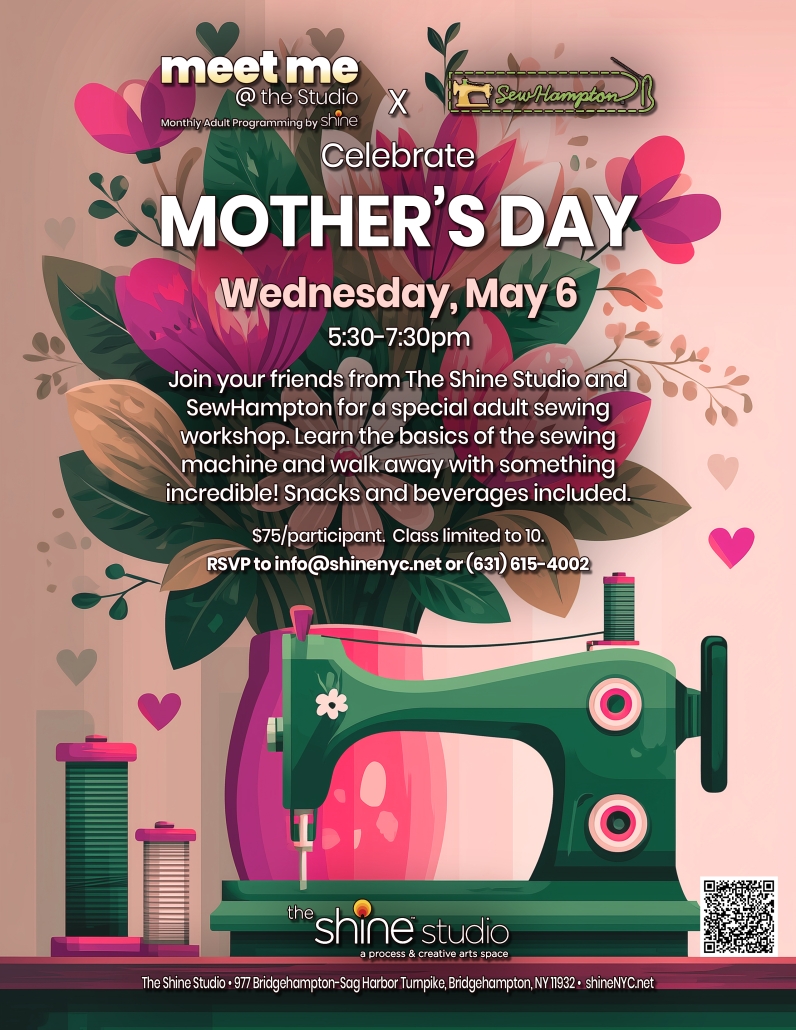
If you’re curious to build your own skills in a more guided way, Shine NYC is hosting an Adult Sewing Workshop at the Bridgehampton studio on Wednesday, May 6. You’ll learn the basics of sewing machine operation and complete a make-and-take project, all in a welcoming setting with snacks and beverages included. It’s a simple way to get comfortable with the tools, ask questions, and walk away ready to create.

Mother’s Day can be a nice prompt to try something new — but sewing tends to stick. It quickly becomes a rhythm. A creative outlet. And sometimes, it becomes a shared language between you and your child — built one small project at a time.

https://shinenyc.net/wp-content/uploads/2026/04/Untitled.png 245 419 Shine https://shinenyc.net/wp-content/uploads/2021/02/Shine-logo-300x220.png Shine2026-04-22 16:16:362026-04-22 16:20:30The Joy of Making: Beginner Sewing Projects to Try with Your Kids This Spring

Whisker Wonders: How Kittens Boost Kids’ Creativity and Confidence

March 24, 2026/in Front Page Blog, Fun, Guide, Learn/by Shine

Some kids seem born to cuddle, chase, and care for tiny furry friends. If your child gravitates toward gentle purrs, playful paw swats, and endless curiosity, they might just be a “kitten kid.” And while kittens are undeniably adorable, there’s more to these pint‑size felines than cuteness alone—research shows that interacting with cats can benefit children in meaningful ways, from emotional growth and responsibility to creativity and stress relief.

Why Some Kids Click With Cats

Caring for a kitten encourages children to tune into the needs of another living being — an activity linked to emotional development and empathy. Studies of human‑animal interaction have found that companion animals like cats can become sources of comfort, emotional support, and stress regulation for children, helping them navigate a wide range of feelings and social situations. This kind of interaction has even been shown to activate the body’s oxytocin system—a hormone tied to bonding and reduced stress—which may help explain why kids turn to pets for reassurance and calm.

In families where children have autism spectrum disorder (ASD), early research suggests that introducing a temperament‑screened cat into the home was associated with higher empathy, lower anxiety, and fewer behavioral challenges in kids compared with waiting to adopt a cat later. Families also reported strong bonds between child and cat after 18 weeks of living together.

So if your child…

  • Gravitates toward quiet, cozy moments,
  • Notices small details like a whisker twitch or purring rhythm, or
  • Enjoys caring for others

Then a kitten might be the perfect companion to support confidence, imagination, and wellness.

Evidence‑Backed Benefits of Kittens for Kids

Here’s what research says about how kitten (and cat) interactions can benefit children:

  • Emotional Growth & Empathy:
    Interacting with cats teaches children to consider another being’s needs, which can foster empathy, compassion, and emotional regulation.

  • Social Skills & Confidence:
    For some children—especially individuals with shyness or neurodivergence—a calm feline companion can provide a nonjudgmental space to build confidence and practice social interaction skills.

  • Stress Relief:
    Physical touch with animals is soothing, helping lower stress hormones and promote relaxation, which is especially helpful after a busy school day or during times of anxiety.

  • Caring & Responsibility:
    Participating in kitten care—from feeding to gentle play—gives children real, age‑appropriate ways to practice responsibility and routine, which are important life skills.

  • Creativity & Observational Learning:
    Engaging with a curious kitten can spark imaginative play, storytelling, and observation—all of which support cognitive engagement and creative thinking.

Celebrate Kitten Season at ARF Hamptons

Spring is the perfect time to explore this unique human‑animal bond. The Animal Rescue Fund of the Hamptons is gearing up for Kitten Season, and you’re invited to ARF’s annual Kitten Shower—a delightful event for feline-loving families.

When: Saturday, April 11, 12–2 PM
Where: ARF Adoption Center, 124 Daniels Hole Road, East Hampton

At this “baby shower” for kittens, you and your kids can:

  • Learn to Foster & Care for Kittens – including bottle‑feeding demonstrations.
  • Support a Supply Drive – bring items from the Kitten Shower Registry (like cozy blankets, formula, bottles, and toys).
  • Meet Tiny Kittens – see up close how these vulnerable little ones grow and thrive with care.
  • Enjoy Fun Activities – including kitten‑themed crafts with Shine Studio and refreshments.

Every donation, craft, and cuddle helps kittens survive their critical first weeks, giving them a chance at big dreams, cozy naps, and a bright future.

Whether your child is a true “kitten person” or curious to learn more about caring for one, celebrating kitten season with ARF and Shine Studio is a joyful way to welcome spring and connect with the community.

https://shinenyc.net/wp-content/uploads/2026/03/IMG_1882.jpg 1440 1440 Shine https://shinenyc.net/wp-content/uploads/2021/02/Shine-logo-300x220.png Shine2026-03-24 15:34:482026-03-24 15:35:26Whisker Wonders: How Kittens Boost Kids’ Creativity and Confidence

Springtime Pierogi Fun: A Family Kitchen Adventure Straight From Poland

March 20, 2026/in Celebrate, Front Page Blog, Fun, Guide, Taste/by Shine

There’s something magical about a traditional Polish Easter breakfast: warm, tender pierogis fresh off the stove, savory kielbasa, a bright fruit salad, slices of rye bread, and maybe even a sweet Placzek.

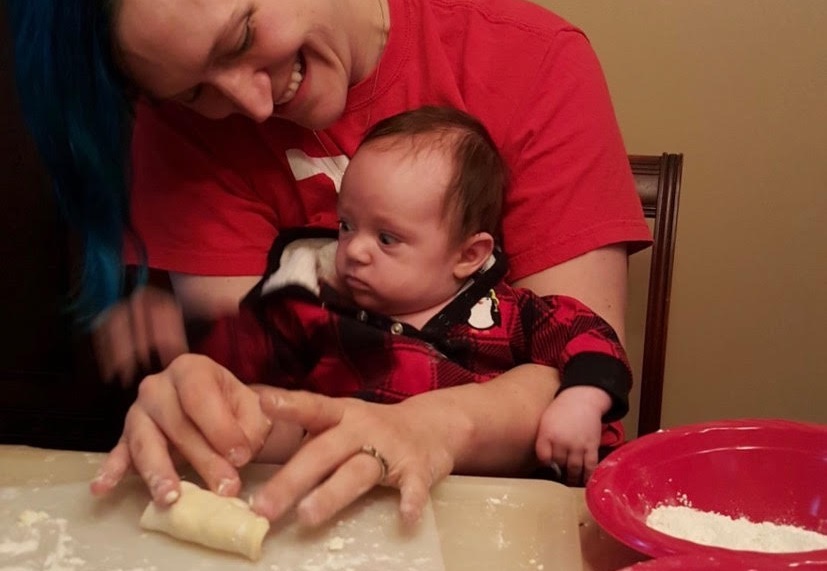
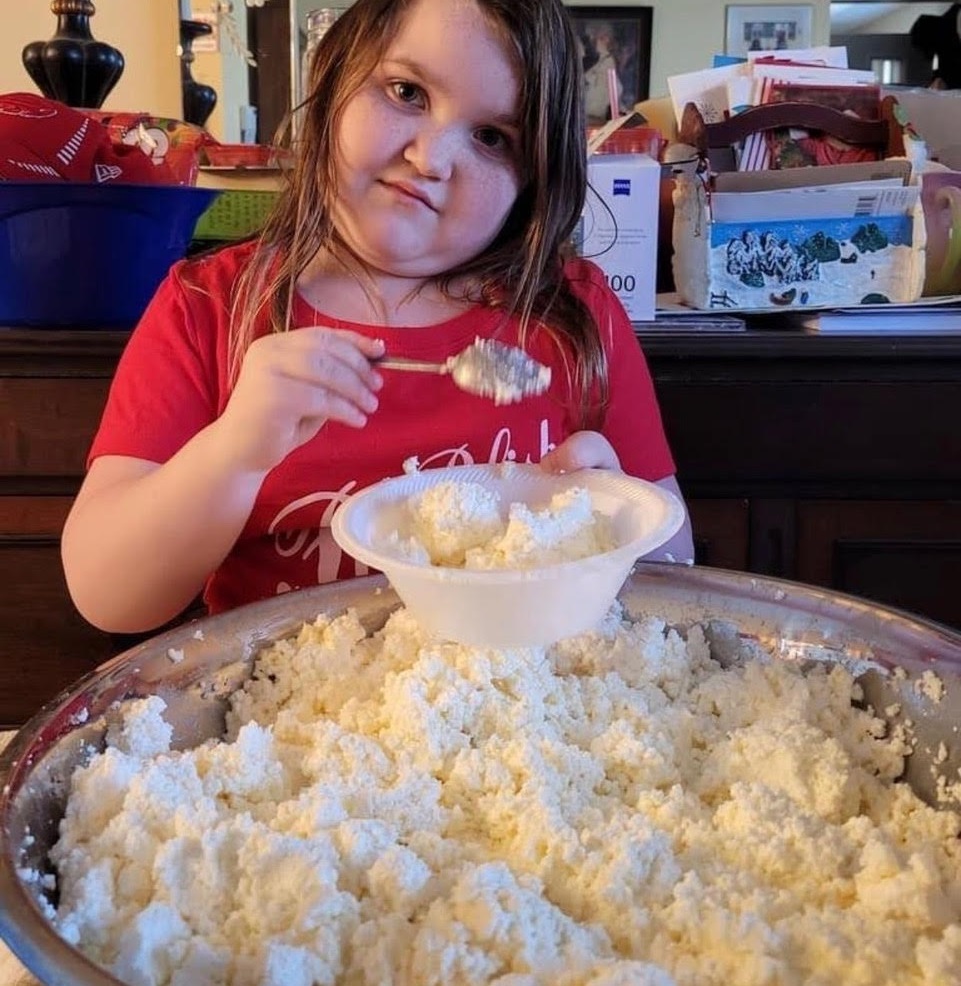
There’s nothing quite like the flavor and texture of homemade pierogis, and the process itself can transform a spring morning into a lively, multi-generational kitchen adventure. Invite grandparents, cousins, aunts, and uncles — everyone can take part and make the day truly special. Every person, old and young, can play a role: some boil, some roll, others pinch, and taggers/baggers can help with freezing. For added liveliness, put polka music on in the background.

What You’ll Need (Serves 4–6)

For the Dough:

  • 2 cups all-purpose flour, plus extra for rolling
  • 1 large egg
  • ½ cup warm water
  • 2 tbsp sour cream or yogurt
  • ½ tsp salt

For Cheese Filling:

  • 1 cup farmer’s cheese (or well-drained ricotta if unavailable)
  • 2 tbsp finely chopped onion (white or yellow)
  • 1 tbsp unsalted butter
  • ¼ tsp salt (adjust to taste)
  • ¼ tsp black pepper
  • Optional: 1 tsp chopped fresh chives or parsley for brightness

Alternate Filling Ideas:

  • Classic potato & cheddar
  • Sauerkraut cooked in bacon fat
  • Steak with hot pepper and cheese
  • Apples with cinnamon

Extras:

  • Rolling pin
  • Round cookie cutter or glass (3-inch diameter)
  • Spoon or small cookie scoop
  • Fork for crimping edges
  • Butter for frying
  • Oil for freezing
  • Freezer bags for storage

Step 1: Make the Dough
Mix flour and salt in a large bowl. Add egg, sour cream, and water, stirring until a dough forms. Knead 5–7 minutes until smooth. Kids can sprinkle flour and gently press dough while adults handle kneading. Cover and let rest.

Step 2: Prepare the Filling
Mash boiled potatoes and mix with cheddar, salt, and pepper for a classic filling. For sauerkraut, sauté it in bacon fat for rich flavor. For the adventurous, combine cooked steak, hot pepper, and cheese. Kids can help mash, mix, and even sprinkle in extras like chopped herbs or mild veggies.

Step 3: Roll and Cut
Dust the counter with flour. Roll dough to about ⅛ inch thick. Kids can help roll, then use a cookie cutter or glass to cut circles. Imperfect shapes are part of the fun — every pierogi is unique!

Step 4: Fill and Fold
Spoon a small amount of filling into each circle. Fold over and pinch edges with fingers or a fork. This is often a kids’ favorite job — just be sure to double-check their work so there are no gaps in the seams that will blow open when boiling.

Step 5: Cook and Freeze
Boil pierogis in salted water until they float (3–5 minutes), then spoon them out and into a bowl of vegetable oil, which prevents them from sticking together. Once cooled, bag them in freezer-safe bags—these keep for up to a year! For a fast meal, defrost in the microwave for 2 minutes, then sauté in warm butter over medium-high until browned on both sides.

Family Fun and Springtime Joy
Pierogi-making is perfect for spring because it’s tactile, social, and hands-on. Kids learn the joy of having an important job to do, while gaining coordination, creativity, and the pride of sharing in a family tradition. While it’s a lot of work, the reward goes well beyond plates piled high with golden, buttery pierogis. The bustling, laughter-filled kitchen and memories you’ll savor long after the last dumpling is gone.

Contact Shine in Bridgehampton to learn more about our Kitchen Stars class for kids.

https://shinenyc.net/wp-content/uploads/2026/03/unnamed-2.jpg 788 961 Shine https://shinenyc.net/wp-content/uploads/2021/02/Shine-logo-300x220.png Shine2026-03-20 13:56:282026-03-31 11:02:36Springtime Pierogi Fun: A Family Kitchen Adventure Straight From Poland

Celebrate National Scribble Day: Why Scribbling is More Than Just Play

March 18, 2026/in Celebrate, Front Page Blog, Fun, Guide, Learn, Play/by Shine

March 27 marks National Scribble Day, a celebration of imagination, creativity, and self-expression. Founded in 2019 by Diane Alber, author of I’m NOT Just a Scribble, the day encourages children (and adults) to create art without worrying about skill, celebrating creativity, kindness, and individuality.

For parents of kids ages 0–12, it’s the perfect chance to let little hands explore crayons, markers, and paints in a freeform way, without rigid guidance. Scribbling is a fun way to support cognitive growth, emotional expression, and fine motor development, laying the foundation for confident, creative thinkers.

The Surprising Benefits of Scribbling

Tiny scribbles offer big developmental benefits:

1. Fine Motor Skills – Building the Hand Muscles Kids Need to Write

When toddlers grip crayons or markers and experiment with movement, they strengthen the tiny muscles in their hands and fingers that support later writing and self‑care skills. As children practice controlled scribbling and mark‑making, they gradually shift from whole‑arm movements to more refined wrist and finger actions, a key marker of fine motor development.

A 2026 developmental study found that early scribbling and drawing activities significantly boost motor control and foundational skills that are linked to later writing development and literacy.

2. Cognitive Development – Thinking Through Lines and Marks

Drawing isn’t just about moving a crayon—it’s a thinking exercise. When children notice that pressing harder makes a darker line or plan where they’ll put a shape on the page, they’re exploring cause and effect, spatial reasoning, and executive function (planning, decision‑making, attention).

Research shows that early drawing experiences also correlate with emergent literacy and symbolic thinking, helping children make the leap from scribbles to meaningful marks and eventually written language.

3. Emotional Expression – A Window Into How They’re Feeling

For kids who don’t yet have the words to describe big emotions, scribbles can be the words. Engaging in drawing gives children a safe space to express feelings and regulate mood. Studies with school‑age kids show that even brief drawing sessions can improve mood and help children cope with strong emotions.

And because drawing often reflects a child’s world view and experiences, caregivers and educators can learn a lot by asking kids what their marks mean to them.

4. Creativity & Imagination – Turning Lines Into Worlds

Scribbles are the sparks of imagination. What looks like a jumble of lines to adults is often a complex mental image for a child—a garden, a dinosaur, or an imaginary friend. Drawing encourages symbolic thinking, the cognitive ability to let one thing stand for another, which is something children use later in language, math, and storytelling.

Developmental frameworks remind us that early scribbling isn’t random—it’s the first phase of artistic and cognitive growth, where children gradually begin to assign meaning to their marks and develop visual expression.

Fun Scribble Activities by Age

Here are some creative ways to make scribbling engaging for different age groups:

0–2 Years: Exploration & Sensory Play

  • Crayon on large paper: Let babies freely explore with chunky, non-toxic crayons.
  • Finger painting: Safe, edible paints let toddlers experiment with color and texture.
  • Scribble mat: Tape a roll of paper to the floor or table and let them move freely while making marks.

3–5 Years: Storytelling Through Scribbles

  • Shape Scribbles: Encourage your child to scribble shapes—triangles, circles, or simple animals.
  • Color by Emotion: Ask them to scribble with colors that match their feelings.
  • Collaborative Scribble Art: You draw one line, they add another—watch a collaborative “masterpiece” emerge.

6–9 Years: Skills & Imagination

  • Patterned Scribbles: Introduce repetitive designs or doodles to explore patterns and symmetry.
  • Scribble Transformation: Have them turn random scribbles into recognizable pictures—turn a squiggle into a dragon or rocket ship.
  • Mixed Media Fun: Create a scribble using a black marker, then color in the shapes with crayons or colored pencils.

10–12 Years: Refining Creativity & Focus

  • Scribble Mandalas: Inspired by Zentangles, use repetitive circular patterns to create complex, calming artwork.
  • Story Illustration: Use scribbles as the base for illustrating a story they’ve written.
  • Art Journals: Encourage daily scribbling as a form of reflection or mindfulness.

Make Scribbling Part of Your Child’s Day

Scribbling can be a relaxing, screen-free way for children to explore their world and express themselves. You don’t need a special occasion—keep a basket of paper, crayons, and markers handy for spontaneous creative moments.

And if your family is ready to take creativity further, the Shine Studio in Bridgehampton offers a variety of art experiences for kids of all ages—perfect for trying new techniques, discovering different mediums, and letting your child’s imagination shine. Contact us for details on our classes, workshops, break camps, drop-in sessions, and parties.

https://shinenyc.net/wp-content/uploads/2026/03/79606118347__D5C16532-4D9C-46A1-8E4B-16388EDB69D8.jpeg 584 702 Shine https://shinenyc.net/wp-content/uploads/2021/02/Shine-logo-300x220.png Shine2026-03-18 12:11:462026-03-24 13:59:45Celebrate National Scribble Day: Why Scribbling is More Than Just Play

Celebrate Lunar New Year in the Hamptons

February 17, 2026/in Celebrate, Front Page Blog, Fun, Guide, Learn, Make/by Shine

Lunar New Year — also called Spring Festival — is a lively, two‑week celebration that begins on February 17, 2026, ushering in the vibrant Year of the Horse, and culminates with the Lantern Festival on March 3. It’s a wonderful opportunity for families to explore new traditions, enjoy creative activities together, and bring a little cultural magic to late winter in the Hamptons.

What Makes the Year of the Horse Special?

In the Chinese zodiac, the Horse symbolizes energy, adventure, independence, and forward motion — qualities kids can explore in everyday life. Parents can encourage children to set a “Year of the Horse” goal, like channeling their energy into a new activity or skill, practicing courage in small ways, and volunteering for a charitable cause to make a positive impact.

Fun Crafts to Do at Home

Bring Lunar New Year into your living room with craft‑based activities that are easy for even younger kids:

Paper Lanterns with a Horse Twist
Cut bright red and gold construction paper into strips or panels for a classic lantern shape. Fold and glue or staple the paper into a lantern, leaving space at the top to attach a handle. Decorate with horse silhouettes, stickers, or the number “2026” to celebrate the Year of the Horse. Add a ribbon or string at the bottom for extra flair, then hang your lanterns around the house for a festive display.

Zodiac Horse Masks & Puppets
Create colorful popsicle stick puppets or paper bag masks for the zodiac animals — including the horse, rat, snake, and others. Kids can decorate each animal with googly eyes, yarn, and markers, then use them to act out “The Great Race,” the traditional Chinese legend where the animals compete to earn their spots in the zodiac calendar. This adds a playful storytelling element and helps children explore qualities like energy, courage, and determination.

Calligraphy and Lucky Decorations
Use red paper to make simple “福” (fú, meaning “good luck”) signs or banners to hang in windows or doorways. Even if you spell letters in English, talking about the symbolism adds depth and curiosity.

DIY Red Envelopes
Traditionally, red envelopes (hongbao) are given to kids during Lunar New Year for good luck. Families can make their own envelopes and fill them with notes, stickers, money, or small surprises to share wishes for the year ahead.

Celebrate with Food

Food is a big part of Lunar New Year, with many dishes symbolizing something special. For instance, Chinese dumplings represent wealth and family unity. Set up a station with wrappers, veggies, and simple fillings, letting little hands help fold and form. Or try longevity noodles — chang shou mian — which represent a long, healthy life.

Events You Can Enjoy

While major parades and festivals aren’t typical in the Hamptons, but there are a few within an hour’s drive:

LIC Lunar New Year Celebration (Feb. 17–Mar. 3, 2026)
Long Island City hosts a two‑week celebration honoring the Year of the Fire Horse with 50+ community events, including cultural performances, special menus, themed promotions, and family‑friendly activities.

Lunar New Year Celebration at the Suffolk County Vanderbilt Museum & Reichert Planetarium
On February 21, 2026, Centerport’s Vanderbilt Museum invites families to enjoy lucky foods, learn the art of paper lantern making, try your hand at Chinese calligraphy, and hope for a prosperous future with a few traditional good‑luck crafts.

Lunar New Year Program – Year of the Horse (Feb. 21, 2026)
At Connetquot River State Park Preserve in Oakdale, a family-friendly program includes a brisk nature walk, storytelling, and a presentation on Long Island’s equestrian history, plus traditional Lunar New Year‑themed snacks.

Wishing Your Family a Creative Year of Momentum

Shine encourages families to explore traditions, get creative with crafts, and savor time together this Lunar New Year — because winter blues are no match for learning and celebration. For more inspiration, drop by the Shine Studio in Bridgehampton or contact us to learn more about our Lunar New Year activities.

https://shinenyc.net/wp-content/uploads/2026/02/IMG_0532.jpg 1098 1536 Shine https://shinenyc.net/wp-content/uploads/2021/02/Shine-logo-300x220.png Shine2026-02-17 11:47:372026-02-17 11:49:37Celebrate Lunar New Year in the Hamptons

Random Acts of Kindness Day: 40 Easy Ideas for Kids

February 16, 2026/in Celebrate, Front Page Blog, Fun, Guide/by Shine

Random Acts of Kindness Day: 40 Easy Ideas for Kids

Some days, someone’s crying because their banana broke. Someone else is yelling “MINE!” over a toy. And somewhere between the tears and the tantrums, you wish someone would refill your own cup.

So when Random Acts of Kindness Day rolls around each year on February 17, it’s a welcome reminder: even a tiny act of kindness — a shared snack, a helping hand, a kind word — can transform the mood of a hectic day for you, your kids, and for others.

What Is Random Acts of Kindness Day?

Random Acts of Kindness Day is a global celebration of small, everyday good deeds. The day gained popularity in the nineties as part of the growing “kindness movement,” encouraging people to make kindness more intentional, more visible, and more contagious.

The point was never to organize a grand stunt, but rather, to remind people that kindness can be quick, spontaneous, and part of normal life — like holding the door, leaving a note, helping a neighbor, or offering a compliment.

And for families? It’s a perfect opportunity to help kids practice something they’ll use their whole lives: noticing other people.

Because kids don’t just learn kindness when we tell them to “be nice.” They learn it when they see us do it in real life — when we thank the delivery driver, let someone merge in traffic, or take a deep breath instead of snapping when the line at the pharmacy is taking forever.

25 Random Acts of Kindness Day Ideas for Kids

Here are a few kid-friendly ideas to get you started.

Simple Kindness at Home

  • Let a sibling pick the bedtime story.
  • Help set the table.
  • Make a “thank you” card for a parent or caregiver.
  • Tell a family member you love them.
  • Work together to put toys away.
  • Make someone their favorite snack.
  • Say something kind like “You’re a great friend.”
  • Draw a picture for someone in your family.
  • Leave a sweet note on someone’s pillow.
  • Help feed a pet or refill their water bowl.

Kindness in the Neighborhood

  • Hold the door open for someone.
  • Wave and say hello to a neighbor.
  • Pick up litter during a walk.
  • Put a sign in your front window that says “Have a great day!”
  • Bring in a neighbor’s package or newspaper (with permission).
  • Offer to help someone pick up or carry in groceries.
  • Make cookies or muffins and share with someone nearby.
  • Paint kindness rocks with inspiring messages to leave at a local park.
  • Help a neighbor shovel snow, brush off their car, or salt the walkway.
  • Leave a cheerful note on a neighbor’s door.

Kindness at School or Activities

  • Write a note to a coach.
  • Send a “thank you” video to a teacher.
  • Compliment a classmate (“I like your shoes!” works every time).
  • Invite someone to play who seems left out.
  • Share crayons, markers, or supplies.
  • Let someone go first in line or on the playground slide.
  • Thank the bus driver with a small treat.
  • Help a classmate with homework or an assignment.
  • Include someone in a game or activity who usually sits alone.
  • Bring a snack to share with the class.

Kindness Out in the World

  • Donate books or toys your child has outgrown (let them choose what to give).
  • Place an encouraging bookmark in a library book for someone to find.
  • Make cards for a nursing home, children’s hospital, or community group.
  • Pay for the food or drink order of the person behind you in line.
  • Leave a thank-you note for your mail carrier or delivery person.
  • Pick up litter at a local park or playground.
  • Compliment someone at a store (“I like your shoes!” or “Nice backpack!”).
  • Collect gently used clothes or blankets to donate to an animal shelter.
  • Leave quarters at a laundromat with a little note saying, “For you—enjoy!”
  • Drop off a small plant or flowers at a random door with a note: “Have a nice day.”

The Real Goal: Raising Kids Who Notice People

Random Acts of Kindness Day is ultimately about building a family habit of looking around and asking: “How can we make someone’s day easier?”

Because even the smallest act — a smile, a shared toy or snack, or a thank you — reminds kids that they have the power to make the world better.

And that’s a lesson worth practicing.

Choose one small act of kindness to try today, and if you feel like sharing, tag @ShineNYC on Instagram so we can celebrate the good happening in our community.

https://shinenyc.net/wp-content/uploads/2026/02/unnamed.jpg 533 768 Shine https://shinenyc.net/wp-content/uploads/2021/02/Shine-logo-300x220.png Shine2026-02-16 12:05:422026-02-16 12:10:28Random Acts of Kindness Day: 40 Easy Ideas for Kids

Resolutions Your Kids Can Make – and Keep – in 2026

December 22, 2025/in Front Page Blog, Fun, Guide, Learn/by Shine

By mid-January, most adults have already loosened their grip on New Year’s resolutions. For kids, that drop-off can happen even faster—not because children lack motivation, but because many resolutions rely on executive-function skills like impulse control, introspection, and future thinking that are still developing well into adolescence.

Research consistently shows that kids are more likely to follow through when goals are small, specific, emotionally meaningful, and supported by adults. In other words: fewer goals, less pressure, more practice.

As Dr. Laura Markham emphasizes, self-discipline isn’t something children “have” or “don’t have,” but a skill that develops over time with guidance and practice. Resolutions help nurture that skill by letting kids experience success in keeping them.

By upgrading everyday routines into joint resolution exercises, parents can help kids score small successes, build confidence, and tackle resolutions that are realistic and rewarding.

Resolution #1: Try One Hard Task for a Month

A “hard task” may be learning a piano piece, swimming without a float, writing a short story, reading for 30 minutes a day, or finishing a LEGO build without quitting.

Angela Duckworth’s research on grit emphasizes that perseverance grows when children engage in deliberate practice for a limited time, not endless pressure. Starting with a month provides a long enough runway to feel progress—without overwhelming.

What to say as a parent:
“You don’t have to love it. You just have to try.”

What kids learn:

  • Effort changes ability.
  • Discomfort doesn’t mean failure.
  • Quitting isn’t the same as stopping intentionally.

Resolution #2: Practice Fixing Mistakes (Not Avoiding Them)

Many kids avoid challenges because mistakes feel personal. A powerful resolution is learning how to repair and rebound.

This might look like:

  • Apologizing when they hurt someone
  • Giving the next practice their all after losing a game
  • Asking for help instead of melting down

Psychologist Dr. Ross Greene notes that “kids do well if they can.” When kids seem “challenging,” it’s usually because they’ve encountered a skills gap and don’t know how to handle it. Practicing repair builds emotional regulation and resilience far more effectively than insisting on “better behavior.”

Parents can think of this resolution as a weekly reflection, not a daily task:
“What was one thing that didn’t go well this week? What did you do next?”

What kids learn:

  • Mistakes are survivable.
  • Relationships can be repaired.
  • Effort counts more than outcome.

Resolution #3: Do One New Thing Each Month

Novelty builds confidence – especially when the stakes are low.

Trying one new thing a month could be:

  • A short workshop
  • A new art material
  • A science experiment
  • A camp day or class
  • A new friendship

Child development research shows that varied experiences help children discover intrinsic motivation – the kind that lasts longer than rewards or pressure. When kids sample activities without commitment, they learn who they are.

This is where Shine NYC naturally fits in – not as a promise of mastery, but as a place to try. Camps, courses, and workshops give kids structured novelty with support, which is exactly the combination that will help them keep this resolution.

What kids learn:

  • Curiosity is an engine for learning.
  • New doesn’t mean scary.
  • Interests can change—and that’s okay.

Resolution #4: Talk About Feelings Once a Week

Emotional literacy grows when kids have predictable, low-pressure moments to reflect. Weekly check-ins—during a walk, at bedtime, or over a snack—are far more effective than constant emotional coaching.

Studies in child psychology show that naming emotions helps children regulate them later. But timing matters: kids open up when they feel safe, not interrogated.

Parents might try a simple question:
“What was something that felt hard this week?”

What kids learn:

  • Feelings aren’t emergencies.
  • Adults are safe to talk to.
  • Reflection builds self-awareness.

What Helps Kids Stick With a Resolution?

Once an idea’s selected, parents can support a resolution by keeping these concepts in mind:

  • Time-bound goals beat ongoing ones. “Every day” is abstract. “Once a week” or “for one month” feels possible. Once the first milestone’s reached, a new one can be set.
  • Identity matters. Kids stick with goals that help them see themselves differently (like “I’m someone who tries”) rather than goals that focus on outcomes (like “I’ll get straight As on my spelling tests.”)
  • Adult scaffolding is key. Children are more likely to succeed when adults co-regulate – reminding, practicing, and adjusting expectations – and model what success looks like.
  • Repair matters more than perfection. Confidence grows not from never making mistakes, but from recovering from setbacks and gaining the ability to influence one’s environment. Kids sometimes need a reminder that following through after forgetting a resolution matters more than perfection.

The Real Goal of Kids’ Resolutions

The point isn’t follow-through for its own sake.

It’s helping kids experience:

  • “I can try.”
  • “I can mess up and recover.”
  • “I can finish something hard.”

Those lessons last longer than January – and they’re the kind that quietly shape who kids become. If your child keeps one resolution this year, that’s no small win. That’s growth.

https://shinenyc.net/wp-content/uploads/2025/12/unnamed.jpg 379 555 Shine https://shinenyc.net/wp-content/uploads/2021/02/Shine-logo-300x220.png Shine2025-12-22 16:47:462025-12-22 16:56:58Resolutions Your Kids Can Make – and Keep – in 2026
Page 1 of 13123›»
Search Search

Recent Articles

  • Helping Kids Navigate Post-Election AnxietyNovember 16, 2024 - 11:52 pm
  • Weekly Adventures Around the World: Cultural Learning Through PlayJuly 5, 2024 - 2:39 pm
  • Nurturing Healthy Habits: 5 Benefits of Cooking With Your KidsMay 31, 2024 - 12:33 pm
  • Mental Health Awareness Month: Spotlight on TweensMay 25, 2024 - 1:11 pm
  • Joyful Journeys: The Benefits of Raising Puppies for Children Ages 0-12April 28, 2024 - 7:07 pm
  • Celebrate Siblings Day: Fun Ideas for Family BondingApril 9, 2024 - 2:57 pm
  • Five Unique Twists on Spring Egg DyeingMarch 15, 2024 - 3:43 pm
  • Spring Into Science: 5 Easy Experiments for Kids to Enjoy at HomeMarch 1, 2024 - 4:42 am
  • Half-Day vs. Full-Day Camps – What’s Best for Your Child?February 16, 2024 - 6:49 pm
  • Igniting Creativity: Celebrate National Inspire Your Heart With Art Day with KidsJanuary 15, 2024 - 5:35 pm
  • Early Childhood Education Plays a Crucial Role in a Post-Pandemic WorldJanuary 11, 2024 - 12:15 am
  • Fun New Year’s Crafts That Spark Creativity and JoyDecember 22, 2023 - 9:52 pm
  • Building Family Bonds: One Brick at a TimeDecember 19, 2023 - 6:47 pm
  • Harvesting Confidence: A Guide to Helping Children Overcome Negative Self-Talk During Pre-AdolescenceNovember 28, 2023 - 7:13 pm
  • Celebrating World’s Children Day on November 20thNovember 16, 2023 - 4:08 pm
  • 12 Reasons to Introduce Your Child to Photography as a HobbyOctober 21, 2023 - 8:13 pm
  • Fall Fun: East End’s Pumpkin Patches and Crafty IdeasOctober 3, 2023 - 2:04 am
  • https://www.longislandadvance.net/stories/patchogue-unidos,93162
    Celebrating Hispanic Heritage Month: Family-Friendly ActivitiesSeptember 10, 2023 - 6:07 pm
  • The Summer of Canadian Wildfires: How To Explain the Effects of Climate Change With Your ChildAugust 6, 2023 - 4:36 pm
  • Be Sure To Pack In These Sweet End-of-Summer CelebrationsAugust 3, 2023 - 4:26 pm
  • Summer Strategies for Building Healthy Tech HabitsJuly 31, 2023 - 12:28 am
  • Essential Social Skills for Your Kids—And How To Help Build ThemJuly 20, 2023 - 3:20 pm
  • Long Island Family Camping Adventures: Benefits, Activities & DestinationsMay 17, 2023 - 10:51 pm
  • DIY Memorial Day Gifts: Fun Crafts for Kids and AdultsMay 14, 2023 - 5:56 pm
  • Funny Business: Exploring the Benefits of Family Laughter in National Humor MonthApril 26, 2023 - 5:40 pm
  • 8 Fun Easter Traditions from Around the WorldApril 3, 2023 - 10:02 pm
  • How To Throw a Spring Color PartyMarch 23, 2023 - 4:04 pm
  • Women’s History Month: 3 Changemakers, Crafts, & CookiesMarch 23, 2023 - 3:48 pm
  • Happy Lunar New Year!January 24, 2023 - 5:33 pm
  • 4 More Ways to Encourage Resilience in ChildrenJanuary 11, 2022 - 12:00 am
  • 10 Ways for Families to Practice GratitudeNovember 11, 2021 - 8:48 pm
  • How to Raise an AI-Savvy KidSeptember 28, 2026 - 3:51 pm
  • Your Kid Wants to Quit: When To Push and When To Let GoSeptember 26, 2026 - 2:45 pm
  • Summer Boredom and New Experiences Help Kids GrowJuly 24, 2026 - 2:26 pm
  • The Best Board Games to Spark Creativity, Strategy, and Connection at Every AgeJuly 18, 2026 - 1:59 pm

Categories

  • Celebrate (143)
  • Front Page Blog (117)
  • Fun (128)
  • Guide (233)
  • Learn (118)
  • Make (62)
  • Party (31)
  • Play (70)
  • Read (22)
  • Shine 9 (8)
  • Style (2)
  • Taste (50)
  • Uncategorized (5)

Subscribe To Our Newsletter

Shine Logo

ServicesEventsAboutBlogContact

212-414-5427
info@shinenyc.net
For Media Inquiries, Contact media@shinenyc.net
Location New York, NY 10036
Location Sag Harbor, NY 11963
Follow Us
FacebookTwitterPinterestInstagramYoutube

Site Map | Copyright ©2025 Shine Creative, Inc.

Website and SEO by RazorRank

Scroll to top Scroll to top Scroll to top