• Facebook
  • X
  • Pinterest
  • Instagram
  • Youtube
  • LinkedIn
Shine
  • Services
    • Classes
      • Signature + Custom Classes
      • Little Luminaries
    • Workshops
    • Parties + Events
      • Children’s Parties + Events
      • Adult Parties + Events
    • The Shine Studio
    • Hamptons Summer Camps
    • Craft Bags and Online Classes
  • About Us
    • Who We Are
    • Testimonials
    • Press
    • Friends Who Shine
    • Partnerships
    • Job Opportunities
  • Blog
  • Contact Us
  • Search
  • Menu Menu

Whisker Wonders: How Kittens Boost Kids’ Creativity and Confidence

Home | Front Page Blog

Whisker Wonders: How Kittens Boost Kids’ Creativity and Confidence

March 24, 2026/in Front Page Blog, Fun, Guide, Learn/by Shine

Some kids seem born to cuddle, chase, and care for tiny furry friends. If your child gravitates toward gentle purrs, playful paw swats, and endless curiosity, they might just be a “kitten kid.” And while kittens are undeniably adorable, there’s more to these pint‑size felines than cuteness alone—research shows that interacting with cats can benefit children in meaningful ways, from emotional growth and responsibility to creativity and stress relief.

Why Some Kids Click With Cats

Caring for a kitten encourages children to tune into the needs of another living being — an activity linked to emotional development and empathy. Studies of human‑animal interaction have found that companion animals like cats can become sources of comfort, emotional support, and stress regulation for children, helping them navigate a wide range of feelings and social situations. This kind of interaction has even been shown to activate the body’s oxytocin system—a hormone tied to bonding and reduced stress—which may help explain why kids turn to pets for reassurance and calm.

In families where children have autism spectrum disorder (ASD), early research suggests that introducing a temperament‑screened cat into the home was associated with higher empathy, lower anxiety, and fewer behavioral challenges in kids compared with waiting to adopt a cat later. Families also reported strong bonds between child and cat after 18 weeks of living together.

So if your child…

  • Gravitates toward quiet, cozy moments,
  • Notices small details like a whisker twitch or purring rhythm, or
  • Enjoys caring for others

Then a kitten might be the perfect companion to support confidence, imagination, and wellness.

Evidence‑Backed Benefits of Kittens for Kids

Here’s what research says about how kitten (and cat) interactions can benefit children:

  • Emotional Growth & Empathy:
    Interacting with cats teaches children to consider another being’s needs, which can foster empathy, compassion, and emotional regulation.

  • Social Skills & Confidence:
    For some children—especially individuals with shyness or neurodivergence—a calm feline companion can provide a nonjudgmental space to build confidence and practice social interaction skills.

  • Stress Relief:
    Physical touch with animals is soothing, helping lower stress hormones and promote relaxation, which is especially helpful after a busy school day or during times of anxiety.

  • Caring & Responsibility:
    Participating in kitten care—from feeding to gentle play—gives children real, age‑appropriate ways to practice responsibility and routine, which are important life skills.

  • Creativity & Observational Learning:
    Engaging with a curious kitten can spark imaginative play, storytelling, and observation—all of which support cognitive engagement and creative thinking.

Celebrate Kitten Season at ARF Hamptons

Spring is the perfect time to explore this unique human‑animal bond. The Animal Rescue Fund of the Hamptons is gearing up for Kitten Season, and you’re invited to ARF’s annual Kitten Shower—a delightful event for feline-loving families.

When: Saturday, April 11, 12–2 PM
Where: ARF Adoption Center, 124 Daniels Hole Road, East Hampton

At this “baby shower” for kittens, you and your kids can:

  • Learn to Foster & Care for Kittens – including bottle‑feeding demonstrations.
  • Support a Supply Drive – bring items from the Kitten Shower Registry (like cozy blankets, formula, bottles, and toys).
  • Meet Tiny Kittens – see up close how these vulnerable little ones grow and thrive with care.
  • Enjoy Fun Activities – including kitten‑themed crafts with Shine Studio and refreshments.

Every donation, craft, and cuddle helps kittens survive their critical first weeks, giving them a chance at big dreams, cozy naps, and a bright future.

Whether your child is a true “kitten person” or curious to learn more about caring for one, celebrating kitten season with ARF and Shine Studio is a joyful way to welcome spring and connect with the community.

https://shinenyc.net/wp-content/uploads/2026/03/IMG_1882.jpg 1440 1440 Shine https://shinenyc.net/wp-content/uploads/2021/02/Shine-logo-300x220.png Shine2026-03-24 15:34:482026-03-24 15:35:26Whisker Wonders: How Kittens Boost Kids’ Creativity and Confidence

Springtime Pierogi Fun: A Family Kitchen Adventure Straight From Poland

March 20, 2026/in Celebrate, Front Page Blog, Fun, Guide, Taste/by Shine

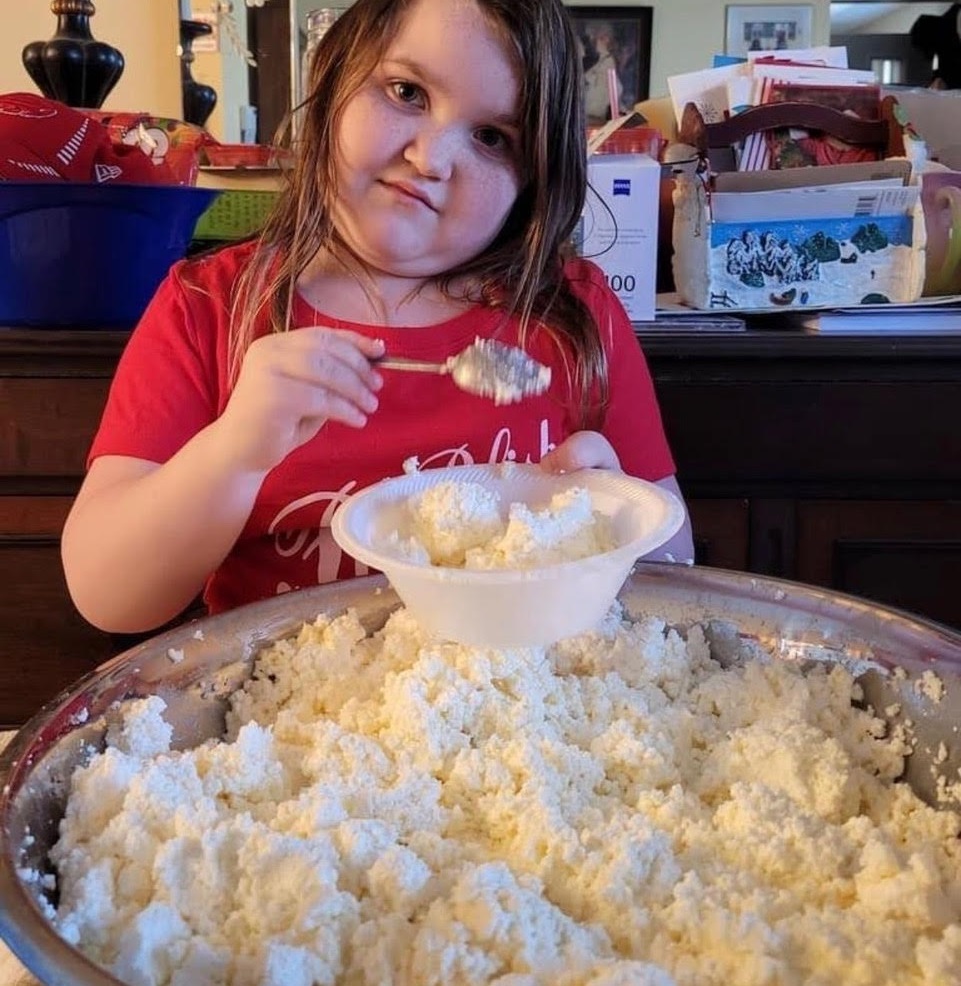
There’s something magical about a traditional Polish Easter breakfast: warm, tender pierogis fresh off the stove, savory kielbasa, a bright fruit salad, slices of rye bread, and maybe even a sweet Placzek.

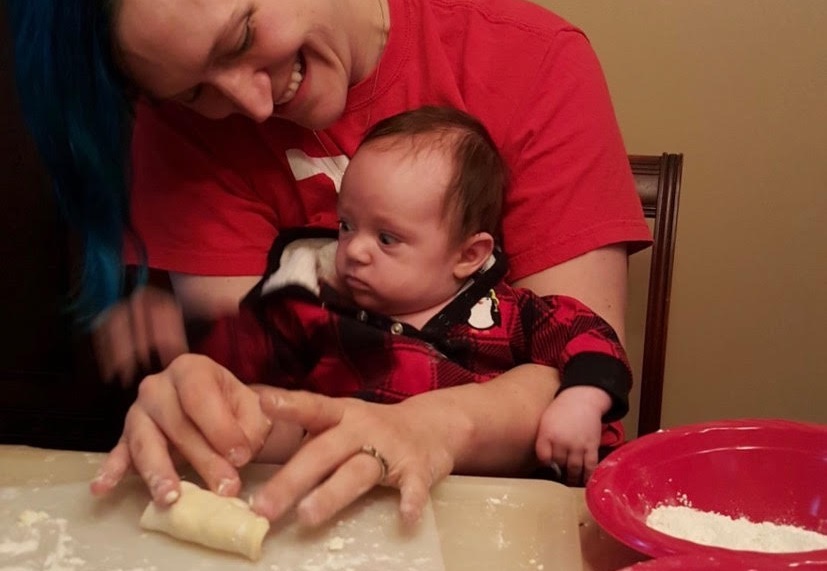
There’s nothing quite like the flavor and texture of homemade pierogis, and the process itself can transform a spring morning into a lively, multi-generational kitchen adventure. Invite grandparents, cousins, aunts, and uncles — everyone can take part and make the day truly special. Every person, old and young, can play a role: some boil, some roll, others pinch, and taggers/baggers can help with freezing. For added liveliness, put polka music on in the background.

What You’ll Need (Serves 4–6)

For the Dough:

  • 2 cups all-purpose flour, plus extra for rolling
  • 1 large egg
  • ½ cup warm water
  • 2 tbsp sour cream or yogurt
  • ½ tsp salt

For Cheese Filling:

  • 1 cup farmer’s cheese (or well-drained ricotta if unavailable)
  • 2 tbsp finely chopped onion (white or yellow)
  • 1 tbsp unsalted butter
  • ¼ tsp salt (adjust to taste)
  • ¼ tsp black pepper
  • Optional: 1 tsp chopped fresh chives or parsley for brightness

Alternate Filling Ideas:

  • Classic potato & cheddar
  • Sauerkraut cooked in bacon fat
  • Steak with hot pepper and cheese
  • Apples with cinnamon

Extras:

  • Rolling pin
  • Round cookie cutter or glass (3-inch diameter)
  • Spoon or small cookie scoop
  • Fork for crimping edges
  • Butter for frying
  • Oil for freezing
  • Freezer bags for storage

Step 1: Make the Dough
Mix flour and salt in a large bowl. Add egg, sour cream, and water, stirring until a dough forms. Knead 5–7 minutes until smooth. Kids can sprinkle flour and gently press dough while adults handle kneading. Cover and let rest.

Step 2: Prepare the Filling
Mash boiled potatoes and mix with cheddar, salt, and pepper for a classic filling. For sauerkraut, sauté it in bacon fat for rich flavor. For the adventurous, combine cooked steak, hot pepper, and cheese. Kids can help mash, mix, and even sprinkle in extras like chopped herbs or mild veggies.

Step 3: Roll and Cut
Dust the counter with flour. Roll dough to about ⅛ inch thick. Kids can help roll, then use a cookie cutter or glass to cut circles. Imperfect shapes are part of the fun — every pierogi is unique!

Step 4: Fill and Fold
Spoon a small amount of filling into each circle. Fold over and pinch edges with fingers or a fork. This is often a kids’ favorite job — just be sure to double-check their work so there are no gaps in the seams that will blow open when boiling.

Step 5: Cook and Freeze
Boil pierogis in salted water until they float (3–5 minutes), then spoon them out and into a bowl of vegetable oil, which prevents them from sticking together. Once cooled, bag them in freezer-safe bags—these keep for up to a year! For a fast meal, defrost in the microwave for 2 minutes, then sauté in warm butter over medium-high until browned on both sides.

Family Fun and Springtime Joy
Pierogi-making is perfect for spring because it’s tactile, social, and hands-on. Kids learn the joy of having an important job to do, while gaining coordination, creativity, and the pride of sharing in a family tradition. While it’s a lot of work, the reward goes well beyond plates piled high with golden, buttery pierogis. The bustling, laughter-filled kitchen and memories you’ll savor long after the last dumpling is gone.

Contact Shine in Bridgehampton to learn more about our Kitchen Stars class for kids.

https://shinenyc.net/wp-content/uploads/2026/03/IMG_0579.jpg 828 1076 Shine https://shinenyc.net/wp-content/uploads/2021/02/Shine-logo-300x220.png Shine2026-03-20 13:56:282026-03-24 15:36:54Springtime Pierogi Fun: A Family Kitchen Adventure Straight From Poland

Celebrate National Scribble Day: Why Scribbling is More Than Just Play

March 18, 2026/in Celebrate, Front Page Blog, Fun, Guide, Learn, Play/by Shine

March 27 marks National Scribble Day, a celebration of imagination, creativity, and self-expression. Founded in 2019 by Diane Alber, author of I’m NOT Just a Scribble, the day encourages children (and adults) to create art without worrying about skill, celebrating creativity, kindness, and individuality.

For parents of kids ages 0–12, it’s the perfect chance to let little hands explore crayons, markers, and paints in a freeform way, without rigid guidance. Scribbling is a fun way to support cognitive growth, emotional expression, and fine motor development, laying the foundation for confident, creative thinkers.

The Surprising Benefits of Scribbling

Tiny scribbles offer big developmental benefits:

1. Fine Motor Skills – Building the Hand Muscles Kids Need to Write

When toddlers grip crayons or markers and experiment with movement, they strengthen the tiny muscles in their hands and fingers that support later writing and self‑care skills. As children practice controlled scribbling and mark‑making, they gradually shift from whole‑arm movements to more refined wrist and finger actions, a key marker of fine motor development.

A 2026 developmental study found that early scribbling and drawing activities significantly boost motor control and foundational skills that are linked to later writing development and literacy.

2. Cognitive Development – Thinking Through Lines and Marks

Drawing isn’t just about moving a crayon—it’s a thinking exercise. When children notice that pressing harder makes a darker line or plan where they’ll put a shape on the page, they’re exploring cause and effect, spatial reasoning, and executive function (planning, decision‑making, attention).

Research shows that early drawing experiences also correlate with emergent literacy and symbolic thinking, helping children make the leap from scribbles to meaningful marks and eventually written language.

3. Emotional Expression – A Window Into How They’re Feeling

For kids who don’t yet have the words to describe big emotions, scribbles can be the words. Engaging in drawing gives children a safe space to express feelings and regulate mood. Studies with school‑age kids show that even brief drawing sessions can improve mood and help children cope with strong emotions.

And because drawing often reflects a child’s world view and experiences, caregivers and educators can learn a lot by asking kids what their marks mean to them.

4. Creativity & Imagination – Turning Lines Into Worlds

Scribbles are the sparks of imagination. What looks like a jumble of lines to adults is often a complex mental image for a child—a garden, a dinosaur, or an imaginary friend. Drawing encourages symbolic thinking, the cognitive ability to let one thing stand for another, which is something children use later in language, math, and storytelling.

Developmental frameworks remind us that early scribbling isn’t random—it’s the first phase of artistic and cognitive growth, where children gradually begin to assign meaning to their marks and develop visual expression.

Fun Scribble Activities by Age

Here are some creative ways to make scribbling engaging for different age groups:

0–2 Years: Exploration & Sensory Play

  • Crayon on large paper: Let babies freely explore with chunky, non-toxic crayons.
  • Finger painting: Safe, edible paints let toddlers experiment with color and texture.
  • Scribble mat: Tape a roll of paper to the floor or table and let them move freely while making marks.

3–5 Years: Storytelling Through Scribbles

  • Shape Scribbles: Encourage your child to scribble shapes—triangles, circles, or simple animals.
  • Color by Emotion: Ask them to scribble with colors that match their feelings.
  • Collaborative Scribble Art: You draw one line, they add another—watch a collaborative “masterpiece” emerge.

6–9 Years: Skills & Imagination

  • Patterned Scribbles: Introduce repetitive designs or doodles to explore patterns and symmetry.
  • Scribble Transformation: Have them turn random scribbles into recognizable pictures—turn a squiggle into a dragon or rocket ship.
  • Mixed Media Fun: Create a scribble using a black marker, then color in the shapes with crayons or colored pencils.

10–12 Years: Refining Creativity & Focus

  • Scribble Mandalas: Inspired by Zentangles, use repetitive circular patterns to create complex, calming artwork.
  • Story Illustration: Use scribbles as the base for illustrating a story they’ve written.
  • Art Journals: Encourage daily scribbling as a form of reflection or mindfulness.

Make Scribbling Part of Your Child’s Day

Scribbling can be a relaxing, screen-free way for children to explore their world and express themselves. You don’t need a special occasion—keep a basket of paper, crayons, and markers handy for spontaneous creative moments.

And if your family is ready to take creativity further, the Shine Studio in Bridgehampton offers a variety of art experiences for kids of all ages—perfect for trying new techniques, discovering different mediums, and letting your child’s imagination shine. Contact us for details on our classes, workshops, break camps, drop-in sessions, and parties.

https://shinenyc.net/wp-content/uploads/2026/03/79606118347__D5C16532-4D9C-46A1-8E4B-16388EDB69D8.jpeg 584 702 Shine https://shinenyc.net/wp-content/uploads/2021/02/Shine-logo-300x220.png Shine2026-03-18 12:11:462026-03-24 13:59:45Celebrate National Scribble Day: Why Scribbling is More Than Just Play

Celebrate Lunar New Year in the Hamptons

February 17, 2026/in Celebrate, Front Page Blog, Fun, Guide, Learn, Make/by Shine

Lunar New Year — also called Spring Festival — is a lively, two‑week celebration that begins on February 17, 2026, ushering in the vibrant Year of the Horse, and culminates with the Lantern Festival on March 3. It’s a wonderful opportunity for families to explore new traditions, enjoy creative activities together, and bring a little cultural magic to late winter in the Hamptons.

What Makes the Year of the Horse Special?

In the Chinese zodiac, the Horse symbolizes energy, adventure, independence, and forward motion — qualities kids can explore in everyday life. Parents can encourage children to set a “Year of the Horse” goal, like channeling their energy into a new activity or skill, practicing courage in small ways, and volunteering for a charitable cause to make a positive impact.

Fun Crafts to Do at Home

Bring Lunar New Year into your living room with craft‑based activities that are easy for even younger kids:

Paper Lanterns with a Horse Twist
Cut bright red and gold construction paper into strips or panels for a classic lantern shape. Fold and glue or staple the paper into a lantern, leaving space at the top to attach a handle. Decorate with horse silhouettes, stickers, or the number “2026” to celebrate the Year of the Horse. Add a ribbon or string at the bottom for extra flair, then hang your lanterns around the house for a festive display.

Zodiac Horse Masks & Puppets
Create colorful popsicle stick puppets or paper bag masks for the zodiac animals — including the horse, rat, snake, and others. Kids can decorate each animal with googly eyes, yarn, and markers, then use them to act out “The Great Race,” the traditional Chinese legend where the animals compete to earn their spots in the zodiac calendar. This adds a playful storytelling element and helps children explore qualities like energy, courage, and determination.

Calligraphy and Lucky Decorations
Use red paper to make simple “福” (fú, meaning “good luck”) signs or banners to hang in windows or doorways. Even if you spell letters in English, talking about the symbolism adds depth and curiosity.

DIY Red Envelopes
Traditionally, red envelopes (hongbao) are given to kids during Lunar New Year for good luck. Families can make their own envelopes and fill them with notes, stickers, money, or small surprises to share wishes for the year ahead.

Celebrate with Food

Food is a big part of Lunar New Year, with many dishes symbolizing something special. For instance, Chinese dumplings represent wealth and family unity. Set up a station with wrappers, veggies, and simple fillings, letting little hands help fold and form. Or try longevity noodles — chang shou mian — which represent a long, healthy life.

Events You Can Enjoy

While major parades and festivals aren’t typical in the Hamptons, but there are a few within an hour’s drive:

LIC Lunar New Year Celebration (Feb. 17–Mar. 3, 2026)
Long Island City hosts a two‑week celebration honoring the Year of the Fire Horse with 50+ community events, including cultural performances, special menus, themed promotions, and family‑friendly activities.

Lunar New Year Celebration at the Suffolk County Vanderbilt Museum & Reichert Planetarium
On February 21, 2026, Centerport’s Vanderbilt Museum invites families to enjoy lucky foods, learn the art of paper lantern making, try your hand at Chinese calligraphy, and hope for a prosperous future with a few traditional good‑luck crafts.

Lunar New Year Program – Year of the Horse (Feb. 21, 2026)
At Connetquot River State Park Preserve in Oakdale, a family-friendly program includes a brisk nature walk, storytelling, and a presentation on Long Island’s equestrian history, plus traditional Lunar New Year‑themed snacks.

Wishing Your Family a Creative Year of Momentum

Shine encourages families to explore traditions, get creative with crafts, and savor time together this Lunar New Year — because winter blues are no match for learning and celebration. For more inspiration, drop by the Shine Studio in Bridgehampton or contact us to learn more about our Lunar New Year activities.

https://shinenyc.net/wp-content/uploads/2026/02/IMG_0532.jpg 1098 1536 Shine https://shinenyc.net/wp-content/uploads/2021/02/Shine-logo-300x220.png Shine2026-02-17 11:47:372026-02-17 11:49:37Celebrate Lunar New Year in the Hamptons

Random Acts of Kindness Day: 40 Easy Ideas for Kids

February 16, 2026/in Celebrate, Front Page Blog, Fun, Guide/by Shine

Random Acts of Kindness Day: 40 Easy Ideas for Kids

Some days, someone’s crying because their banana broke. Someone else is yelling “MINE!” over a toy. And somewhere between the tears and the tantrums, you wish someone would refill your own cup.

So when Random Acts of Kindness Day rolls around each year on February 17, it’s a welcome reminder: even a tiny act of kindness — a shared snack, a helping hand, a kind word — can transform the mood of a hectic day for you, your kids, and for others.

What Is Random Acts of Kindness Day?

Random Acts of Kindness Day is a global celebration of small, everyday good deeds. The day gained popularity in the nineties as part of the growing “kindness movement,” encouraging people to make kindness more intentional, more visible, and more contagious.

The point was never to organize a grand stunt, but rather, to remind people that kindness can be quick, spontaneous, and part of normal life — like holding the door, leaving a note, helping a neighbor, or offering a compliment.

And for families? It’s a perfect opportunity to help kids practice something they’ll use their whole lives: noticing other people.

Because kids don’t just learn kindness when we tell them to “be nice.” They learn it when they see us do it in real life — when we thank the delivery driver, let someone merge in traffic, or take a deep breath instead of snapping when the line at the pharmacy is taking forever.

25 Random Acts of Kindness Day Ideas for Kids

Here are a few kid-friendly ideas to get you started.

Simple Kindness at Home

  • Let a sibling pick the bedtime story.
  • Help set the table.
  • Make a “thank you” card for a parent or caregiver.
  • Tell a family member you love them.
  • Work together to put toys away.
  • Make someone their favorite snack.
  • Say something kind like “You’re a great friend.”
  • Draw a picture for someone in your family.
  • Leave a sweet note on someone’s pillow.
  • Help feed a pet or refill their water bowl.

Kindness in the Neighborhood

  • Hold the door open for someone.
  • Wave and say hello to a neighbor.
  • Pick up litter during a walk.
  • Put a sign in your front window that says “Have a great day!”
  • Bring in a neighbor’s package or newspaper (with permission).
  • Offer to help someone pick up or carry in groceries.
  • Make cookies or muffins and share with someone nearby.
  • Paint kindness rocks with inspiring messages to leave at a local park.
  • Help a neighbor shovel snow, brush off their car, or salt the walkway.
  • Leave a cheerful note on a neighbor’s door.

Kindness at School or Activities

  • Write a note to a coach.
  • Send a “thank you” video to a teacher.
  • Compliment a classmate (“I like your shoes!” works every time).
  • Invite someone to play who seems left out.
  • Share crayons, markers, or supplies.
  • Let someone go first in line or on the playground slide.
  • Thank the bus driver with a small treat.
  • Help a classmate with homework or an assignment.
  • Include someone in a game or activity who usually sits alone.
  • Bring a snack to share with the class.

Kindness Out in the World

  • Donate books or toys your child has outgrown (let them choose what to give).
  • Place an encouraging bookmark in a library book for someone to find.
  • Make cards for a nursing home, children’s hospital, or community group.
  • Pay for the food or drink order of the person behind you in line.
  • Leave a thank-you note for your mail carrier or delivery person.
  • Pick up litter at a local park or playground.
  • Compliment someone at a store (“I like your shoes!” or “Nice backpack!”).
  • Collect gently used clothes or blankets to donate to an animal shelter.
  • Leave quarters at a laundromat with a little note saying, “For you—enjoy!”
  • Drop off a small plant or flowers at a random door with a note: “Have a nice day.”

The Real Goal: Raising Kids Who Notice People

Random Acts of Kindness Day is ultimately about building a family habit of looking around and asking: “How can we make someone’s day easier?”

Because even the smallest act — a smile, a shared toy or snack, or a thank you — reminds kids that they have the power to make the world better.

And that’s a lesson worth practicing.

Choose one small act of kindness to try today, and if you feel like sharing, tag @ShineNYC on Instagram so we can celebrate the good happening in our community.

https://shinenyc.net/wp-content/uploads/2026/02/unnamed.jpg 533 768 Shine https://shinenyc.net/wp-content/uploads/2021/02/Shine-logo-300x220.png Shine2026-02-16 12:05:422026-02-16 12:10:28Random Acts of Kindness Day: 40 Easy Ideas for Kids

20 Things to Do With Your Kids Before They’re 20

January 19, 2026/in Front Page Blog, Guide/by Shine

There’s a reassuring truth modern parenting research keeps confirming: it’s not the number of hours you spend with your kids that matters most—it’s how you show up in the moments you do have.

A 2025 study on parental time use found that children benefit most from engaged, intentional interaction—not more time spent in the same space, at the same time.

Before they turn 20, your kids will absorb lessons everywhere: classrooms, friendships, failures, screens, and the wider world. But the experiences that shape their confidence, resilience, and sense of belonging often happen quietly—during ordinary moments when they feel seen, heard, and valued.

You don’t have to plan bigger vacations or bucket experiences. You can simply choose attention over distraction, curiosity over routine, and connection over perfection.

Here are 20 meaningful activities worth doing with your kids before they’re 20—small, doable moments that build trust, perspective, and lasting connection.

Connection & Belonging

1. Create a one-on-one ritual.
Whether it’s a weekly walk around the neighborhood, a Saturday morning coffee date (hot chocolate works too), a short drive to grab ice cream, or a late-night check-in over a board game, predictable 1:1 time tells them, “This time is just for you.” Make it consistent enough that they can look forward to it and feel seen.

2. Tell them stories about your own childhood—especially the messy parts.
Share times you got in trouble at school, struggled with a hobby, or had an awkward moment with friends. Include the lessons learned or how you handled it. Seeing that mistakes are normal—and recoverable—helps them accept their own stumbles without shame.

3. Let them talk without fixing.
When they complain about a rough day, a tricky friendship, or a stressful assignment, resist the urge to jump in with solutions. Ask open-ended questions: “How did that feel?” or “What do you think you might try next?” Feeling heard builds confidence faster than advice ever could.

4. Laugh hard together.
Create inside jokes, play silly games, tell ridiculous stories, or even have a bad-movie night where you both critique over-the-top plots. Unfiltered laughter and shared silliness become emotional anchors they carry into adulthood.

5. Apologize when you get it wrong.
Whether you raised your voice, forgot a commitment, or misunderstood them, saying “I’m sorry” models accountability. Follow it with a short explanation and a plan to do better. This teaches that respect goes both ways and that everyone—parents included—can make amends.

Confidence & Independence

6. Let them order their own food.
Whether at a restaurant, café, or even a takeout window, letting them choose—and place—their own order gives them a small but powerful sense of voice and independence.

7. Give them real responsibility.
Instead of just chores, let your child plan a weekly meal, lead pet care, or help manage family tasks like homework scheduling, gift shopping, or choosing a weekly activity.

8. Let them try something they’re not great at.
Kids build resilience by tackling challenges like a new sport, an instrument, or a tricky art project—where effort matters more than instant success.

9. Support them through failure without rescuing.
Stay close. Ask questions like, “What did you try first?” or “What might you do differently next time?” Let them do the learning—whether it’s missing a goal in soccer, flubbing a science experiment, or struggling with a math problem. Avoid jumping in to fix it; guide them to problem-solve on their own.

10. Teach them how to advocate for themselves.
Practice speaking up with teachers about a confusing assignment, asking coaches for more feedback on drills, or requesting a group member to pull their weight. Later, model how to communicate professionally with employers or mentors about needs, responsibilities, and boundaries.

Curiosity & Growth

11. Read the same book and talk about it.
Choose a novel, biography, or even a graphic novel. Instead of quizzes, have conversations like, “What would you have done in that character’s shoes?” or “Which part surprised you most?” Let your discussions spark deeper thinking and opinions.

12. Let them teach you something they love.
Whether it’s playing a Roblox game, explaining a Pokémon card strategy, or demonstrating the latest TikTok dance craze, letting them guide you validates their interests and builds their confidence in expertise.

13. Explore places outside your routine.
Go beyond the usual park. Visit a science museum, a historical neighborhood, a local library event, or a botanical garden. Let them ask questions, notice details, and reflect on what’s different or inspiring in each new environment.

14. Learn a skill together.
Try cooking a new cuisine, fixing a leaky faucet, skateboarding, knitting, or even learning Spanish phrases. Shared growth creates bonding, allows you to model perseverance, and gives them hands-on confidence.

15. Encourage questions you don’t have answers to.
When they ask things like “Why do some animals hibernate?” or “How do astronauts go to the bathroom in space?” respond with curiosity: research together, hypothesize, or admit you don’t know. Modeling curiosity shows it’s okay not to have all the answers.

Perspective & Purpose

16. Volunteer together.
Sign up for a community clean-up, help at a food pantry, or visit an animal shelter. Discuss what you notice, how people benefit, and how small efforts create real impact. Experiencing empathy first-hand is far more memorable than lectures.

17. Talk openly about money and values.
Discuss budgeting while grocery shopping, what to tip at a restaurant, how much to donate to charity, or the difference between wants and needs. Share personal reasoning behind decisions to instill thoughtful financial habits.

18. Ask big questions.
Prompt reflections like, “What would you do if you had no fear?” or “Who do you admire and why?” Encourage journaling or discussions over a walk—emphasize exploration over pressure.

19. Help them reflect on who they’re becoming—not just what they’re achieving.
After a school project or sports game, ask, “What did you learn about yourself?” or “How did you handle setbacks?” Focus on resilience, curiosity, empathy, and integrity rather than just grades or trophies.

20. Let them know—often—that they don’t have to earn your love.
Say it out loud: “I love you because you’re you, not because of what you do.” Remind them in small ways through hugs, notes, or quiet check-ins. This foundation of unconditional love fosters security and confidence in everything else they do.

How Parents Create Space For What Matters

Connection doesn’t come from doing more. It comes from creating space—in your schedule, in your routines, and in your attention. A few small shifts can open the door:

  • Block connection time like an appointment. Let your child know you’ve set aside short, protected windows for walks, drives, bedtime check-ins where you want their full attention, which prepares your child to engage and signals that this time matters.
  • Choose places that invite presence. Some moments of connection happen during the day to day, but others may require stepping out of your usual environment—into nature, a yoga studio, a café, or an art center—to help everyone slow down and reset.
  •  Lower the bar for what “counts.” Connection isn’t a project. It’s often a conversation in the car, a shared laugh, or sitting side-by-side without distraction.
  • Notice before you plan. Pay attention to when your child opens up, when they linger, when they seem most themselves—and start by making space there.

At Shine NYC, we help families create room for these moments—not through rigid rules or packed calendars, but through themed parties, classes, workshops, and open play time that helps you reserve more intentional time while your kids are still young.

https://shinenyc.net/wp-content/uploads/2026/01/IMG_9624.jpg 1131 1536 Shine https://shinenyc.net/wp-content/uploads/2021/02/Shine-logo-300x220.png Shine2026-01-19 13:18:212026-01-19 13:28:3120 Things to Do With Your Kids Before They’re 20

Why January Feels So Hard for Parents and How to Reset Without Reinvention

January 10, 2026/in Front Page Blog, Guide/by Shine

January has a reputation for clarity. A clean calendar. A fresh start. A sense that — finally — you can catch your breath and approach life with more intention.

But for many parents, the pace shifts in January. Tempers feel shorter. Kids seem restless, overstimulated, or resistant to the simplest requests. You may find yourself pushing through the days rather than savoring them — or feeling ready to move forward.

If that sounds familiar, there’s nothing wrong with you — and nothing broken about your family. January is a harder month than we give it credit for. It’s a season of recalibration, asking us to settle back in, reconnect with structure, and rediscover steadiness after a stretch of life that was full-on, in every sense of the word.

The Emotional Aftermath No One Talks About

Even when it’s joyful, December is full. Schedules are disrupted, routines loosen, emotions run high, and expectations — both internal and external — are everywhere.

January arrives immediately afterward and asks us to reset without rest.

Parents are expected to return to structure, productivity, and patience just as energy dips. Kids are expected to head back to school with focus, emotional regulation, and cooperation after weeks of stimulation and flexibility. And everyone is doing this during the darkest, coldest stretch of the year.

What we often interpret as “January misbehavior” or “parenting failure” is usually just nervous systems recalibrating — temporary, human, and entirely okay.

Why the Pressure to “Start Fresh” Backfires

The new year brings an unspoken message: Now is the time to fix everything.

Better routines. Better boundaries. Better communication. Better versions of ourselves.

But reinvention requires clarity and energy — two resources in short supply in January. When parents push for major changes too quickly, kids sense it. They may resist not because the changes are wrong, but because the pace feels overwhelming.

What families usually need in January isn’t a reboot. It’s stability with compassion.

What Kids Are Responding To Right Now

Children don’t experience time the way adults do. They don’t see January as symbolic. They feel it physically and emotionally in the shorter days, colder weather, less movement, and fewer spontaneous joys. Add in the abrupt return to expectations, and many kids respond with irritability, withdrawal, or increased neediness.

What helps most right now:

  • Predictable rhythms, even if they’re imperfect
  • Emotional availability without urgency
  • Fewer lectures, more listening
  • Gentle structure instead of rigid control

Kids don’t need parents who have everything figured out. They need parents steady enough to stay connected and help them reset.

A More Sustainable Reset

Instead of asking, “What needs fixing?” January is a better time to ask, “What needs softening?”

Here are five ways to reset that support your family without pressure:

1. Choose one area to stabilize.

Unlike our work life, stabilization in our home lives isn’t about improving or optimizing the whole system — it’s simply intended to make life a little smoother where it feels hardest.

This might look like:

  • Aiming for quiet mornings rather than fast
  • Reducing after-school expectations for a few weeks
  • Allowing flexible routines for when homework gets done
  • Adding more predictability to transitions, even if they’re not perfect

It helps to think of stability as less about “efficiency” and more about lowering friction so everyone can exhale.

2. Protect your own energy deliberately.

Overcoming seasonal burnout requires an open mind.

Consider:

  • Saying no to one obligation that drains more than it gives
  • Letting something be “good enough” instead of done right
  • Asking for help sooner rather than powering through
  • Creating a small buffer for yourself at the beginning or end of the day

Your presence is shaped by your energy. Protecting it isn’t selfish — it’s foundational.

3. Normalize sharing feelings to create household solidarity.

January can feel heavy without a clear reason, especially for kids who don’t have language for it yet.

You might say:

“This time of year is hard for a lot of people.”

“It makes sense that you’re feeling a little off right now.”

“We’re all getting back into rhythm together.”

Naming the experience reduces shame and helps kids feel less alone in their feelings.

4. Replace urgency with curiosity.

When behavior feels challenging, urgency often sneaks in:

We need to stop this. Fix this. Change this.

Curiosity sounds much different:

  • “What might they be needing right now?”
  • “Is this about exhaustion, pressure, or something else?”
  • “What’s harder for them this month than usual?”

Curiosity slows the moment down, and that pause creates more change than pressure.

5. Create one reliable point of connection.

Connection doesn’t have to be constant to be powerful. It just needs to be dependable.

This could be:

  • A weekly walk, drive, or coffee date
  • A consistent bedtime check-in or question
  • A shared routine that belongs only to you and your child
  • A small ritual everyone knows they can count on
  • Time spent together, playing a game your child really values

When life feels uncertain, reliability builds emotional safety, and that safety supports growth.

January Isn’t for Chasing Someone New

January is for rekindling who you already are: A parent who cares deeply. A family that adapts. A household learning — imperfectly — how to move forward together.

Real growth rarely begins with dramatic change. It starts with awareness, patience, and the willingness to move at a human pace.

Shine supports your family’s journey by introducing enriching, playful learning experiences that naturally foster growth. From hands-on art workshops and Little Luminaries language classes to customized day camps and theatre programming, Shine helps kids — and the families around them — discover, create, and reconnect with their inner light.

Resets like this let your kids — and you — learn, play, and reconnect at a comfortable pace, rather than chasing perfection or bigger changes.

https://shinenyc.net/wp-content/uploads/2026/01/IMG_1351.jpg 1285 1528 Shine https://shinenyc.net/wp-content/uploads/2021/02/Shine-logo-300x220.png Shine2026-01-10 13:00:162026-01-19 13:03:11Why January Feels So Hard for Parents and How to Reset Without Reinvention

Resolutions Your Kids Can Make – and Keep – in 2026

December 22, 2025/in Front Page Blog, Fun, Guide, Learn/by Shine

By mid-January, most adults have already loosened their grip on New Year’s resolutions. For kids, that drop-off can happen even faster—not because children lack motivation, but because many resolutions rely on executive-function skills like impulse control, introspection, and future thinking that are still developing well into adolescence.

Research consistently shows that kids are more likely to follow through when goals are small, specific, emotionally meaningful, and supported by adults. In other words: fewer goals, less pressure, more practice.

As Dr. Laura Markham emphasizes, self-discipline isn’t something children “have” or “don’t have,” but a skill that develops over time with guidance and practice. Resolutions help nurture that skill by letting kids experience success in keeping them.

By upgrading everyday routines into joint resolution exercises, parents can help kids score small successes, build confidence, and tackle resolutions that are realistic and rewarding.

Resolution #1: Try One Hard Task for a Month

A “hard task” may be learning a piano piece, swimming without a float, writing a short story, reading for 30 minutes a day, or finishing a LEGO build without quitting.

Angela Duckworth’s research on grit emphasizes that perseverance grows when children engage in deliberate practice for a limited time, not endless pressure. Starting with a month provides a long enough runway to feel progress—without overwhelming.

What to say as a parent:
“You don’t have to love it. You just have to try.”

What kids learn:

  • Effort changes ability.
  • Discomfort doesn’t mean failure.
  • Quitting isn’t the same as stopping intentionally.

Resolution #2: Practice Fixing Mistakes (Not Avoiding Them)

Many kids avoid challenges because mistakes feel personal. A powerful resolution is learning how to repair and rebound.

This might look like:

  • Apologizing when they hurt someone
  • Giving the next practice their all after losing a game
  • Asking for help instead of melting down

Psychologist Dr. Ross Greene notes that “kids do well if they can.” When kids seem “challenging,” it’s usually because they’ve encountered a skills gap and don’t know how to handle it. Practicing repair builds emotional regulation and resilience far more effectively than insisting on “better behavior.”

Parents can think of this resolution as a weekly reflection, not a daily task:
“What was one thing that didn’t go well this week? What did you do next?”

What kids learn:

  • Mistakes are survivable.
  • Relationships can be repaired.
  • Effort counts more than outcome.

Resolution #3: Do One New Thing Each Month

Novelty builds confidence – especially when the stakes are low.

Trying one new thing a month could be:

  • A short workshop
  • A new art material
  • A science experiment
  • A camp day or class
  • A new friendship

Child development research shows that varied experiences help children discover intrinsic motivation – the kind that lasts longer than rewards or pressure. When kids sample activities without commitment, they learn who they are.

This is where Shine NYC naturally fits in – not as a promise of mastery, but as a place to try. Camps, courses, and workshops give kids structured novelty with support, which is exactly the combination that will help them keep this resolution.

What kids learn:

  • Curiosity is an engine for learning.
  • New doesn’t mean scary.
  • Interests can change—and that’s okay.

Resolution #4: Talk About Feelings Once a Week

Emotional literacy grows when kids have predictable, low-pressure moments to reflect. Weekly check-ins—during a walk, at bedtime, or over a snack—are far more effective than constant emotional coaching.

Studies in child psychology show that naming emotions helps children regulate them later. But timing matters: kids open up when they feel safe, not interrogated.

Parents might try a simple question:
“What was something that felt hard this week?”

What kids learn:

  • Feelings aren’t emergencies.
  • Adults are safe to talk to.
  • Reflection builds self-awareness.

What Helps Kids Stick With a Resolution?

Once an idea’s selected, parents can support a resolution by keeping these concepts in mind:

  • Time-bound goals beat ongoing ones. “Every day” is abstract. “Once a week” or “for one month” feels possible. Once the first milestone’s reached, a new one can be set.
  • Identity matters. Kids stick with goals that help them see themselves differently (like “I’m someone who tries”) rather than goals that focus on outcomes (like “I’ll get straight As on my spelling tests.”)
  • Adult scaffolding is key. Children are more likely to succeed when adults co-regulate – reminding, practicing, and adjusting expectations – and model what success looks like.
  • Repair matters more than perfection. Confidence grows not from never making mistakes, but from recovering from setbacks and gaining the ability to influence one’s environment. Kids sometimes need a reminder that following through after forgetting a resolution matters more than perfection.

The Real Goal of Kids’ Resolutions

The point isn’t follow-through for its own sake.

It’s helping kids experience:

  • “I can try.”
  • “I can mess up and recover.”
  • “I can finish something hard.”

Those lessons last longer than January – and they’re the kind that quietly shape who kids become. If your child keeps one resolution this year, that’s no small win. That’s growth.

https://shinenyc.net/wp-content/uploads/2025/12/unnamed.jpg 379 555 Shine https://shinenyc.net/wp-content/uploads/2021/02/Shine-logo-300x220.png Shine2025-12-22 16:47:462025-12-22 16:56:58Resolutions Your Kids Can Make – and Keep – in 2026

10 Fun & Mindful Ways to Keep Kids Engaged This Holiday Season (Without Screen Overload)

December 22, 2025/in Celebrate, Front Page Blog, Fun, Guide, Learn, Make, Play/by Shine

December is a whirlwind: parties, school breaks, holiday crafts, and yes… the endless question of “What can I do now?” from our overstimulated kids. Between juggling work, holiday errands, and family time, it can feel impossible to keep everyone entertained without leaning on screens.

The good news? With a little planning and creativity, this season can be joyful, connected, and surprisingly calm. Here are 12 ideas to keep kids aged 2–12 happily engaged – and maybe even teach them a little mindfulness along the way.

1. Holiday Crafts

Toddlers and preschoolers love simple, tactile projects: pinecone ornaments, handprint snowflakes, or modeling clay decorations. Older kids may prefer the challenge of mini gingerbread houses or DIY holiday cards for relatives.

2. Storytime with a Twist

Transform classic holiday tales into interactive adventures by downloading a few free scripts. Ask questions, act out parts, or let kids create alternate endings. It’s a fun way to spark imagination—and sneak in cozy reading time.

3. Mindful Moments

December can feel hectic. Introduce simple mindfulness exercises like “holiday breathing” (inhale for four, exhale for four) or a gratitude jar. Even 2–5 minutes of calm can help kids—and parents—reset before the next round of festivities.

4. Family Movement Breaks

Bundle up and go for a winter walk, a neighborhood scavenger hunt, or a backyard snow game. For indoor days, try kid-friendly yoga or dance parties. Moving together burns energy, lifts moods, and keeps everyone healthy.

5. Acts of Kindness

Encourage giving back with age-appropriate projects: packing small care boxes for neighbors, making cards for nursing homes, or donating toys, framing them as ways to share time, talent, and treasure.

6. Baking & Kitchen Fun

Mixing, measuring, and decorating holiday treats is a screen-free delight. Toddlers can stir, older kids can handle cookie cutters, and everyone gets to enjoy the tasty results. Bonus: it’s a practical—and delicious—way to encourage following instructions and teach patience.

7. Music & Movement

Sing, dance, or even make DIY instruments from household items. Holiday music can spark joy, encourage coordination, and turn a living room into an instant family stage. Who knows—Santa might even bring a karaoke machine this year!

8. Puzzle & Game Challenges

Board games, card games, and puzzles keep kids engaged for longer stretches and teach patience, strategy, and cooperation. Rotate a few favorites each week to keep excitement high.

9. Holiday Nature Hunts

Explore local parks or even your backyard for seasonal treasures: pinecones, acorns, or winter berries. Collect items for crafts or decorations, or simply enjoy the fresh air. Nature walks also help kids notice small details and develop mindfulness.

10. Quiet Corner Kits

Create a small “calm corner” with coloring books, fidget toys, and a cozy blanket. Kids can retreat here when overstimulated, helping them regulate emotions independently.

December doesn’t have to be all chaos and defaulting to screen time. With small intentional moments, you can help your kids feel engaged, connected, and mindful—while keeping your sanity intact.

If your kids are really begging for screens, they might just be craving some mindless downtime—and that’s okay. Consider joining in and finding ways to make it a learning and bonding experience.

Here’s to a festive season filled with creativity, movement, and mindful moments—because the best holiday memories are made together. Keep shining.

https://shinenyc.net/wp-content/uploads/2025/12/91418.jpg 1065 1206 Shine https://shinenyc.net/wp-content/uploads/2021/02/Shine-logo-300x220.png Shine2025-12-22 16:33:382025-12-22 16:38:0310 Fun & Mindful Ways to Keep Kids Engaged This Holiday Season (Without Screen Overload)

Beyond the Toy Box: Meaningful Holiday Gifts for Kids That Last Longer Than the Wrapping Paper

November 29, 2025/in Celebrate, Front Page Blog, Guide, Learn/by Shine

If you’re a parent, you already know what’s coming: the holiday avalanche of plastic pieces, toys that blink and buzz, and boxes that somehow take up more room than the toy itself. It’s sweet, it’s generous – but it’s also… a lot.

This year, many parents are craving gifts that feel lighter, more meaningful, and a little easier to live with. Gifts that spark curiosity instead of clutter. Gifts kids can grow into, return to, and remember. From family experiences to tools that inspire independence, these gifts give kids what they really want: joy, connection, and room to grow.

1. Experiences That Make Memories

Kids may forget what was under the tree last year, but they’ll never forget ice skating under a sky full of stars. Experiences are the ultimate “non-toy” gift – fun now, and unforgettable later.

In the East End, a few can’t-miss experience gifts include:

Buckskill Winter Club (East Hampton)

The Buckskill Winter Club typically opens in late November and runs through early March, offering public ice-skating sessions, hockey clinics, and figure skating programs. Kids can drop in for a casual skate or build real skills with weekly lessons.

Why parents love it: No screens, fresh air, and an easy way to burn energy all winter long. A pass also means fewer “Can we go today?” debates — if the rink is open, you can go.

Good for: Ages 4+, siblings, and high-energy kids.

Children’s Museum of the East End (CMEE)

A CMEE membership doubles as a gift for kids and their parents. Memberships usually include unlimited admission, discounts on classes, camps, and special events, and early registration for popular programs. The museum’s exhibits are hands-on and imagination-forward — from the market and shipyard to the art studio and “CMEE Playland.”

Why parents love it: It’s the perfect winter and rainy-day destination, and kids won’t age out too quickly — it’s ideal for toddlers through early tweens.

Good for: Ages 1–11, and anyone who likes play that’s purposeful.

Adventure Paddleboards (Sag Harbor)

Gifting surf or paddleboard lessons in December may feel unexpected, but it gives kids something to look forward to once summer hits. Adventure Paddleboards offers private and small-group lessons, summer programs, and equipment rentals. You can gift a single lesson, a multi-lesson package, or a voucher they can redeem during the warmer months.

Why parents love it: It’s active, confidence-building, and gets kids outside in a way that feels very “Hamptons summer.” Plus, the anticipation is half the fun — wrap a beach towel or a pair of flip-flops with the gift card for a sweet reveal.

Good for: Ages 6+, adventure-seekers, and kids who love the water. Wrap it creatively: print a “ticket” and tuck it into a box with something small and related (like a snorkel mask, a seashell, or a waterproof disposable camera).

Other options include passes or memberships to: The Long Island Aquarium, The Parrish Art Museum, or South Fork Natural History Museum (SoFo) — perfect for stress-free days spent together.

2. Subscriptions That Keep Giving

The beauty of a subscription is that it extends the joy well past the holiday season.

  • Book-of-the-Month boxes for young readers: Literati and Bookroo ship a box of age-appropriate books to your home, bringing monthly mail excitement.
  • Magazine subscriptions — Highlights, Kazoo, Honest History, or National Geographic Kids — gives kids something new to talk about besides gaming.
  • Monthly craft and science boxes: KiwiCo has kits for ages 0-12+ themed around play, art, geography, crafting, engineering, and design. Everything is included in the kit and activities are easy enough for kids 8+ to do on their own.
  • Global culture subscription box: Each monthly Little Passports kit (ages 3–8) delivers books, toys, stickers, and crafts centered on a new country, sparking curiosity and teaching kids about geography, culture, and science through fun, hands-on activities—making learning exciting all holiday season.

3. Gifts That Inspire Connection

The best gift is often time spent together, laughing, learning, or trying something new.

  • A family movie or board game night basket: Fill a festive basket with a board game or movie, cozy blanket, and popcorn, plus a note promising an evening of “no phones, no schedules, just us.” For convenience, you can even pre-build one from sites like UncommonGoods or Etsy.
  • A DIY kit to do together: Choose a hands-on project like candle-making, building a terrarium, or painting ornaments, available at Target. DIY kits provide all the supplies, but the real gift is the shared experience and lasting memories.
  • Escape room and puzzles: From printable escape kits and board games to puzzles that demand patience and spatial reasoning — these games are perfect for building connection, collaboration, and problem-solving as a family.

4. Meaningful Keepsakes & Comfort Gifts

Even physical gifts can carry deep meaning when picked with care. Here are a few ideas — and some specific suggestions to make shopping easy.

  • A cozy reading–nook setup: Create a little haven for together-time with a reading tent or nook, a soft blanket, and a few cherished books from BookHampton.
    • Little Tikes Night‑Sky Reading Nook – A cushioned, tent‑style nook with a built-in star projector for a dreamy, calming space.
    • Personalized Story Blanket – A lightweight, book-themed blanket with room for a child’s name — perfect for snuggling up with a favorite story.
    • Narwhal Pocket Pillow – A soft flannel pillow that holds a book in its little built-in pocket, ideal for travel or bedtime reading.
  • A journal or memory‑box set: Something to preserve memories, thoughts, and milestones — a gift that lasts longer than the present moment.
    • Mindful Modern Paper Co. Ultimate Kids Memory Box — A 56-piece keepsake kit with labeled folders, milestone prompts, and more so you can store childhood treasures in a meaningful, organized way. They also offer a Sibling Bundle so each child can have their own memory boxes.
  • A photo album or framed keepsake: A tangible way to relive favorite summer moments or everyday joy.
    • Shutterfly’s Childhood Keepsakes collection offers customizable albums designed for kids, with fun patterns and durable layouts.
    • A School Memory Book Album is another great pick — it’s designed to carry photos, notes, and small mementos from preschool through graduation.
  • A mini “Mindful Moments” basket: Combine little tools for calm and self-care into a thoughtful gift that encourages peace and reflection.
    • Plant seeds of calm during a hectic season with a kid‑friendly mindfulness journal, yoga mat, soothing essential oils or linen spray, a soft eye pillow, and a handwritten note about the value of quiet moments.

5. The Gift of Learning, Skill-Building, and Discovery: Shine Classes

And then there’s the gift that blends it all — creativity, connection, and community. On the East End, where winter slows everything down just enough to savor the small moments, the most meaningful presents aren’t things you buy, but experiences that help kids grow.

Shine’s winter classes and workshops are designed exactly for this kind of holiday magic. Whether your kids love art, cooking, STEM, nature walks, dancing, or acting, Shine offers hands-on programs that let kids explore, make a mess, try something new, and build confidence along the way. Families can drop in, play, and leave the clean-up to someone else — a gift in itself.

You might try:

  • Cooking classes and kits: Combine Shine’s Kitchen Stars sessions with a stop at Loaves & Fishes Cookshop for kid-friendly cookbooks and tools. Together, they help aspiring young chefs build confidence in the kitchen.
  • Art classes and materials: From blocks and fashion design to sensory bins and science projects, Shine has a class for every interest. Combine with one of our customizable craft bags to show kids their creativity is worth the investment.
  • Music classes and instruments: Music classes and instruments: Global, Chinese, and Spanish cultural classes all include music or Sing and Shine is all about music and movement. You might also combine a gently used instrument from Gold Standard with one of Shine’s flexible online music courses for ukulele, guitar, bass, piano, or drums.

Frame these as “starter kits” for discovering and cultivating potential passions by including a note: “You’ve got the gift — now go grow it.”

Parents can give a class series, camp session, or gift certificate — a perfect present that’s screen-free, sensory, and social. Kids walk away with more than something new to play with; they gain a skill, a spark, a circle of friends, and a sense of pride.

Reach out to our program coordinators to learn more.

Give the Gift of Wonder

This holiday season, think beyond the toy aisle. Give your kids something they’ll remember – something that lights up their world, not just the living room. Whether it’s a membership, a creative class, or a simple day spent together, the best gifts don’t just fill time – they fill hearts.

https://shinenyc.net/wp-content/uploads/2025/12/537770760_18528768343060511_5283554354074549957_n.jpg 739 1170 Shine https://shinenyc.net/wp-content/uploads/2021/02/Shine-logo-300x220.png Shine2025-11-29 12:20:002025-12-01 14:51:17Beyond the Toy Box: Meaningful Holiday Gifts for Kids That Last Longer Than the Wrapping Paper
Page 1 of 11123›»

Recent Articles

  • Helping Kids Navigate Post-Election AnxietyNovember 16, 2024 - 11:52 pm
  • Weekly Adventures Around the World: Cultural Learning Through PlayJuly 5, 2024 - 2:39 pm
  • Nurturing Healthy Habits: 5 Benefits of Cooking With Your KidsMay 31, 2024 - 12:33 pm
  • Mental Health Awareness Month: Spotlight on TweensMay 25, 2024 - 1:11 pm
  • Joyful Journeys: The Benefits of Raising Puppies for Children Ages 0-12April 28, 2024 - 7:07 pm
  • Celebrate Siblings Day: Fun Ideas for Family BondingApril 9, 2024 - 2:57 pm
  • Five Unique Twists on Spring Egg DyeingMarch 15, 2024 - 3:43 pm
  • Spring Into Science: 5 Easy Experiments for Kids to Enjoy at HomeMarch 1, 2024 - 4:42 am
  • Half-Day vs. Full-Day Camps – What’s Best for Your Child?February 16, 2024 - 6:49 pm
  • Igniting Creativity: Celebrate National Inspire Your Heart With Art Day with KidsJanuary 15, 2024 - 5:35 pm
  • Early Childhood Education Plays a Crucial Role in a Post-Pandemic WorldJanuary 11, 2024 - 12:15 am
  • Fun New Year’s Crafts That Spark Creativity and JoyDecember 22, 2023 - 9:52 pm
  • Building Family Bonds: One Brick at a TimeDecember 19, 2023 - 6:47 pm
  • Harvesting Confidence: A Guide to Helping Children Overcome Negative Self-Talk During Pre-AdolescenceNovember 28, 2023 - 7:13 pm
  • Celebrating World’s Children Day on November 20thNovember 16, 2023 - 4:08 pm
  • 12 Reasons to Introduce Your Child to Photography as a HobbyOctober 21, 2023 - 8:13 pm
  • Fall Fun: East End’s Pumpkin Patches and Crafty IdeasOctober 3, 2023 - 2:04 am
  • https://www.longislandadvance.net/stories/patchogue-unidos,93162
    Celebrating Hispanic Heritage Month: Family-Friendly ActivitiesSeptember 10, 2023 - 6:07 pm
  • The Summer of Canadian Wildfires: How To Explain the Effects of Climate Change With Your ChildAugust 6, 2023 - 4:36 pm
  • Be Sure To Pack In These Sweet End-of-Summer CelebrationsAugust 3, 2023 - 4:26 pm
  • Summer Strategies for Building Healthy Tech HabitsJuly 31, 2023 - 12:28 am
  • Essential Social Skills for Your Kids—And How To Help Build ThemJuly 20, 2023 - 3:20 pm
  • Long Island Family Camping Adventures: Benefits, Activities & DestinationsMay 17, 2023 - 10:51 pm
  • DIY Memorial Day Gifts: Fun Crafts for Kids and AdultsMay 14, 2023 - 5:56 pm
  • Funny Business: Exploring the Benefits of Family Laughter in National Humor MonthApril 26, 2023 - 5:40 pm
  • 8 Fun Easter Traditions from Around the WorldApril 3, 2023 - 10:02 pm
  • How To Throw a Spring Color PartyMarch 23, 2023 - 4:04 pm
  • Women’s History Month: 3 Changemakers, Crafts, & CookiesMarch 23, 2023 - 3:48 pm
  • Happy Lunar New Year!January 24, 2023 - 5:33 pm
  • 4 More Ways to Encourage Resilience in ChildrenJanuary 11, 2022 - 12:00 am
  • 10 Ways for Families to Practice GratitudeNovember 11, 2021 - 8:48 pm
  • Whisker Wonders: How Kittens Boost Kids’ Creativity and ConfidenceMarch 24, 2026 - 3:34 pm
  • Springtime Pierogi Fun: A Family Kitchen Adventure Straight From PolandMarch 20, 2026 - 1:56 pm
  • Celebrate National Scribble Day: Why Scribbling is More Than Just PlayMarch 18, 2026 - 12:11 pm
  • Celebrate Lunar New Year in the HamptonsFebruary 17, 2026 - 11:47 am

Categories

  • Celebrate (141)
  • Front Page Blog (109)
  • Fun (124)
  • Guide (226)
  • Learn (113)
  • Make (61)
  • Party (31)
  • Play (68)
  • Read (21)
  • Shine 9 (8)
  • Style (2)
  • Taste (50)
  • Uncategorized (4)

Subscribe To Our Newsletter

Shine Logo

ServicesEventsAboutBlogContact

212-414-5427
info@shinenyc.net
For Media Inquiries, Contact media@shinenyc.net
Location New York, NY 10036
Location Sag Harbor, NY 11963
Follow Us
FacebookTwitterPinterestInstagramYoutube

Site Map | Copyright ©2025 Shine Creative, Inc.

Website and SEO by RazorRank

Scroll to top