
The Best Board Games to Spark Creativity, Strategy, and Connection at Every Age
Walking into a new camp can feel exciting — and a little intimidating. For some kids, it can take a little time to feel comfortable joining in.
At Shine camps, shared activities help make those first connections easier. A board game can turn a group of new faces into teammates, giving a quieter child a chance to share their ideas, break the ice, and create space for new friendships to arise.
Whether kids are working together to solve a mystery, create a silly story, or compete in a friendly challenge, games offer a natural way to connect. They encourage children to communicate, take turns, think creatively, and learn how to be part of a group.
And today’s board games go far beyond the classics many parents grew up with. While games like Candy Land, Monopoly, and Uno still have their place, countless new options inspire imagination, strategy, teamwork, and problem-solving.
The best games aren’t just a way to pass the time — they bring people together.
Ages 2–5: Confidence and Connection
For younger children, the best board games are simple, engaging, and focused on exploration. These early games help kids practice skills like matching, counting, following directions, and taking turns — all while building confidence in a group setting.
The Sneaky, Snacky Squirrel Game is a fun introduction to colors, matching, and turn-taking, while Hoot Owl Hoot! introduces younger players to cooperative play. Instead of competing against each other, kids work together to help the owls get home before sunrise.
Games like My First Carcassonne encourage children to build a world together using tiles, while Outfoxed! introduces young detectives to clues and problem-solving.
At this age, winning is often less important than learning how to participate. A successful game experience might simply mean a child waiting patiently for their turn, cheering for another player, or proudly explaining their strategy.
Ages 5–8: Strategy and Social Skills
As kids grow, they’re ready for games with more choices, storytelling, and strategy. These games encourage children to think ahead, make decisions, and learn that there can be many different ways to solve a problem.
Sleeping Queens is a favorite for many young players because it combines memory, simple strategy, and a little bit of silly fun. Kids practice deciding when to use their magical power cards, while indulging in a playful fantasy theme.
Sushi Go! is a fast-paced card game where kids build the best sushi meal by collecting matching sets and making quick decisions about which cards to keep and which to pass along. It helps children practice pattern recognition, planning ahead, and weighing their options — all while enjoying the adorable sushi characters.
Dixit takes creativity and storytelling to the next level. Players choose from beautifully illustrated cards and create clues, stories, or ideas inspired by the images. Everyone tries to guess which card inspired the storyteller, encouraging kids to think creatively, see things from different perspectives, and appreciate how differently people can interpret the same thing.
These games are especially helpful for children who may be hesitant in new social situations. Having a shared activity gives kids an easy way to join the conversation and connect with others.
Ages 8–12: Trials and Teamwork
Older kids often enjoy games that involve more strategy, storytelling, and collaboration. These experiences can help build confidence because children get to make decisions, test ideas, and see the results of their choices.
Ticket to Ride is a great introduction to strategy because kids get to build their own train routes across a map, collecting cards and making choices about which paths to claim. Players have to balance short-term decisions (grabbing a route before someone else does) with long-term planning, making it a fun way to practice strategy, patience, and flexible thinking.
Abducktion proves that silly and strategic can go hand in hand. With adorable plastic ducks and squishy UFO pieces, it’s an instant kid favorite — but the fun goes deeper. Players must spot patterns, think ahead, and use logic to solve challenges, making it a playful introduction to strategy and problem-solving.
For kids who love humor, Kids Against Humanity (a kid-friendly spin on the popular adult party game format) encourages creativity and laughter through funny combinations and imaginative answers.
Forbidden Island turns players into a team of adventurers racing to collect treasures before a sinking island disappears beneath the waves. Instead of competing against each other, kids work together, sharing ideas and making decisions as a group. It’s a great way to practice communication, cooperation, and problem-solving.
Zombicide: Kids Edition brings a kid-friendly dose of adventure, with players teaming up as young heroes on a mission to outsmart and defeat silly zombie challenges. Kids must work together, plan their moves, and use each character’s unique abilities to succeed — making it a fun introduction to teamwork and strategy.
These types of games are a reminder that play isn’t just about winning. It’s about learning how to listen, adapt, encourage others, and keep trying when something doesn’t go as planned.
Classics That Still Deserve a Spot on the Shelf
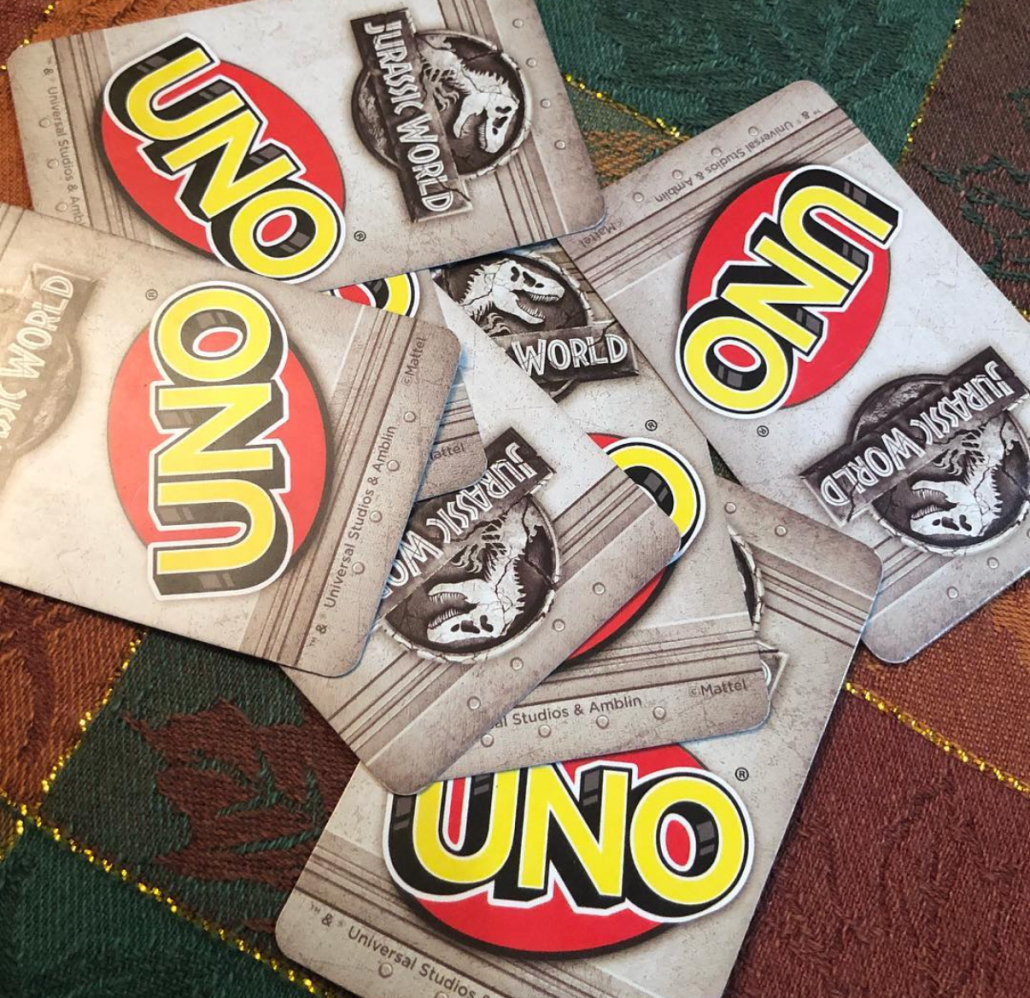
While there are hundreds of new games to explore, classic favorites continue to offer valuable learning opportunities. Uno helps kids practice matching, strategy, and good sportsmanship. Clue encourages deduction and logical thinking. Scrabble and Bananagrams build vocabulary in a playful way. Even Chess — a game that has challenged players for generations — teaches patience, planning, and thinking ahead.
From “I’m Bored” to Board Games
Of course, the “best board game” is the one a family or group actually wants to play together — again and again. If you’re not sure which game will be a hit, there are many local ways to try before you buy.
- Shine summer camps incorporate board games as a fun way for kids to connect, collaborate, and make new friends.
- East Hampton Library has a board game and card game collection.
- You can also book a table at a dedicated board game café like Main St. Board Game Cafe in Huntington to discover new favorites.
The next time kids are looking for something to do, skip the screen and pull out a game. Whether it’s a classic favorite or a new discovery, board games give children a chance to imagine, connect, and create memories together.

