
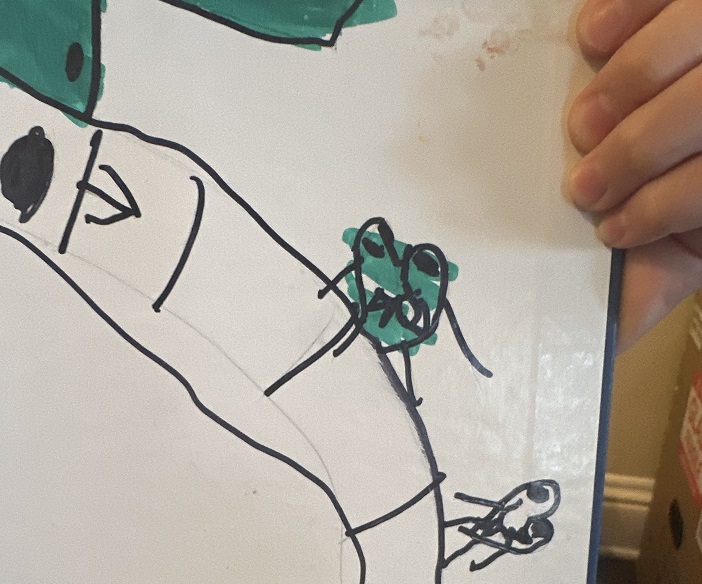
Celebrate National Scribble Day: Why Scribbling is More Than Just Play
March 27 marks National Scribble Day, a celebration of imagination, creativity, and self-expression. Founded in 2019 by Diane Alber, author of I’m NOT Just a Scribble, the day encourages children (and adults) to create art without worrying about skill, celebrating creativity, kindness, and individuality.
For parents of kids ages 0–12, it’s the perfect chance to let little hands explore crayons, markers, and paints in a freeform way, without rigid guidance. Scribbling is a fun way to support cognitive growth, emotional expression, and fine motor development, laying the foundation for confident, creative thinkers.
The Surprising Benefits of Scribbling
Tiny scribbles offer big developmental benefits:
1. Fine Motor Skills – Building the Hand Muscles Kids Need to Write
When toddlers grip crayons or markers and experiment with movement, they strengthen the tiny muscles in their hands and fingers that support later writing and self‑care skills. As children practice controlled scribbling and mark‑making, they gradually shift from whole‑arm movements to more refined wrist and finger actions, a key marker of fine motor development.
A 2026 developmental study found that early scribbling and drawing activities significantly boost motor control and foundational skills that are linked to later writing development and literacy.
2. Cognitive Development – Thinking Through Lines and Marks
Drawing isn’t just about moving a crayon—it’s a thinking exercise. When children notice that pressing harder makes a darker line or plan where they’ll put a shape on the page, they’re exploring cause and effect, spatial reasoning, and executive function (planning, decision‑making, attention).
Research shows that early drawing experiences also correlate with emergent literacy and symbolic thinking, helping children make the leap from scribbles to meaningful marks and eventually written language.
3. Emotional Expression – A Window Into How They’re Feeling
For kids who don’t yet have the words to describe big emotions, scribbles can be the words. Engaging in drawing gives children a safe space to express feelings and regulate mood. Studies with school‑age kids show that even brief drawing sessions can improve mood and help children cope with strong emotions.
And because drawing often reflects a child’s world view and experiences, caregivers and educators can learn a lot by asking kids what their marks mean to them.
4. Creativity & Imagination – Turning Lines Into Worlds
Scribbles are the sparks of imagination. What looks like a jumble of lines to adults is often a complex mental image for a child—a garden, a dinosaur, or an imaginary friend. Drawing encourages symbolic thinking, the cognitive ability to let one thing stand for another, which is something children use later in language, math, and storytelling.
Developmental frameworks remind us that early scribbling isn’t random—it’s the first phase of artistic and cognitive growth, where children gradually begin to assign meaning to their marks and develop visual expression.
Fun Scribble Activities by Age
Here are some creative ways to make scribbling engaging for different age groups:
0–2 Years: Exploration & Sensory Play
- Crayon on large paper: Let babies freely explore with chunky, non-toxic crayons.
- Finger painting: Safe, edible paints let toddlers experiment with color and texture.
- Scribble mat: Tape a roll of paper to the floor or table and let them move freely while making marks.
3–5 Years: Storytelling Through Scribbles
- Shape Scribbles: Encourage your child to scribble shapes—triangles, circles, or simple animals.
- Color by Emotion: Ask them to scribble with colors that match their feelings.
- Collaborative Scribble Art: You draw one line, they add another—watch a collaborative “masterpiece” emerge.
6–9 Years: Skills & Imagination
- Patterned Scribbles: Introduce repetitive designs or doodles to explore patterns and symmetry.
- Scribble Transformation: Have them turn random scribbles into recognizable pictures—turn a squiggle into a dragon or rocket ship.
- Mixed Media Fun: Create a scribble using a black marker, then color in the shapes with crayons or colored pencils.
10–12 Years: Refining Creativity & Focus
- Scribble Mandalas: Inspired by Zentangles, use repetitive circular patterns to create complex, calming artwork.
- Story Illustration: Use scribbles as the base for illustrating a story they’ve written.
- Art Journals: Encourage daily scribbling as a form of reflection or mindfulness.
Make Scribbling Part of Your Child’s Day
Scribbling can be a relaxing, screen-free way for children to explore their world and express themselves. You don’t need a special occasion—keep a basket of paper, crayons, and markers handy for spontaneous creative moments.
And if your family is ready to take creativity further, the Shine Studio in Bridgehampton offers a variety of art experiences for kids of all ages—perfect for trying new techniques, discovering different mediums, and letting your child’s imagination shine. Contact us for details on our classes, workshops, break camps, drop-in sessions, and parties.



 New York, NY 10036


