• Facebook
  • X
  • Pinterest
  • Instagram
  • Youtube
  • LinkedIn
Shine
  • Services
    • Classes
      • Signature + Custom Classes
      • Little Luminaries
    • Workshops
    • Parties + Events
      • Children’s Parties + Events
      • Adult Parties + Events
    • The Shine Studio
    • Hamptons Summer Camps
    • Craft Bags and Online Classes
  • About Us
    • Who We Are
    • Testimonials
    • Press
    • Friends Who Shine
    • Partnerships
    • Job Opportunities
  • Blog
  • Contact Us
  • Search
  • Menu Menu

Whisker Wonders: How Kittens Boost Kids’ Creativity and Confidence

Home | Fun

Whisker Wonders: How Kittens Boost Kids’ Creativity and Confidence

March 24, 2026/in Front Page Blog, Fun, Guide, Learn/by Shine

Some kids seem born to cuddle, chase, and care for tiny furry friends. If your child gravitates toward gentle purrs, playful paw swats, and endless curiosity, they might just be a “kitten kid.” And while kittens are undeniably adorable, there’s more to these pint‑size felines than cuteness alone—research shows that interacting with cats can benefit children in meaningful ways, from emotional growth and responsibility to creativity and stress relief.

Why Some Kids Click With Cats

Caring for a kitten encourages children to tune into the needs of another living being — an activity linked to emotional development and empathy. Studies of human‑animal interaction have found that companion animals like cats can become sources of comfort, emotional support, and stress regulation for children, helping them navigate a wide range of feelings and social situations. This kind of interaction has even been shown to activate the body’s oxytocin system—a hormone tied to bonding and reduced stress—which may help explain why kids turn to pets for reassurance and calm.

In families where children have autism spectrum disorder (ASD), early research suggests that introducing a temperament‑screened cat into the home was associated with higher empathy, lower anxiety, and fewer behavioral challenges in kids compared with waiting to adopt a cat later. Families also reported strong bonds between child and cat after 18 weeks of living together.

So if your child…

  • Gravitates toward quiet, cozy moments,
  • Notices small details like a whisker twitch or purring rhythm, or
  • Enjoys caring for others

Then a kitten might be the perfect companion to support confidence, imagination, and wellness.

Evidence‑Backed Benefits of Kittens for Kids

Here’s what research says about how kitten (and cat) interactions can benefit children:

  • Emotional Growth & Empathy:
    Interacting with cats teaches children to consider another being’s needs, which can foster empathy, compassion, and emotional regulation.

  • Social Skills & Confidence:
    For some children—especially individuals with shyness or neurodivergence—a calm feline companion can provide a nonjudgmental space to build confidence and practice social interaction skills.

  • Stress Relief:
    Physical touch with animals is soothing, helping lower stress hormones and promote relaxation, which is especially helpful after a busy school day or during times of anxiety.

  • Caring & Responsibility:
    Participating in kitten care—from feeding to gentle play—gives children real, age‑appropriate ways to practice responsibility and routine, which are important life skills.

  • Creativity & Observational Learning:
    Engaging with a curious kitten can spark imaginative play, storytelling, and observation—all of which support cognitive engagement and creative thinking.

Celebrate Kitten Season at ARF Hamptons

Spring is the perfect time to explore this unique human‑animal bond. The Animal Rescue Fund of the Hamptons is gearing up for Kitten Season, and you’re invited to ARF’s annual Kitten Shower—a delightful event for feline-loving families.

When: Saturday, April 11, 12–2 PM
Where: ARF Adoption Center, 124 Daniels Hole Road, East Hampton

At this “baby shower” for kittens, you and your kids can:

  • Learn to Foster & Care for Kittens – including bottle‑feeding demonstrations.
  • Support a Supply Drive – bring items from the Kitten Shower Registry (like cozy blankets, formula, bottles, and toys).
  • Meet Tiny Kittens – see up close how these vulnerable little ones grow and thrive with care.
  • Enjoy Fun Activities – including kitten‑themed crafts with Shine Studio and refreshments.

Every donation, craft, and cuddle helps kittens survive their critical first weeks, giving them a chance at big dreams, cozy naps, and a bright future.

Whether your child is a true “kitten person” or curious to learn more about caring for one, celebrating kitten season with ARF and Shine Studio is a joyful way to welcome spring and connect with the community.

https://shinenyc.net/wp-content/uploads/2026/03/IMG_1882.jpg 1440 1440 Shine https://shinenyc.net/wp-content/uploads/2021/02/Shine-logo-300x220.png Shine2026-03-24 15:34:482026-03-24 15:35:26Whisker Wonders: How Kittens Boost Kids’ Creativity and Confidence

Springtime Pierogi Fun: A Family Kitchen Adventure Straight From Poland

March 20, 2026/in Celebrate, Front Page Blog, Fun, Guide, Taste/by Shine

There’s something magical about a traditional Polish Easter breakfast: warm, tender pierogis fresh off the stove, savory kielbasa, a bright fruit salad, slices of rye bread, and maybe even a sweet Placzek.

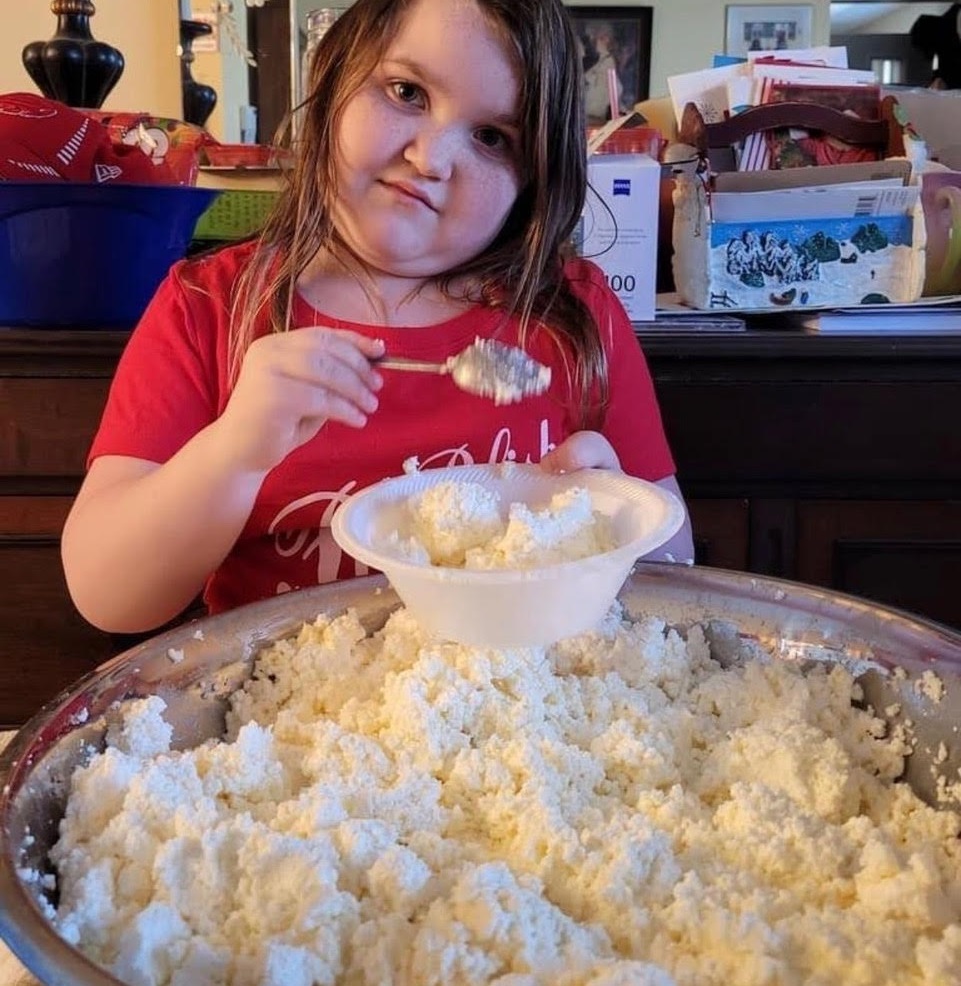
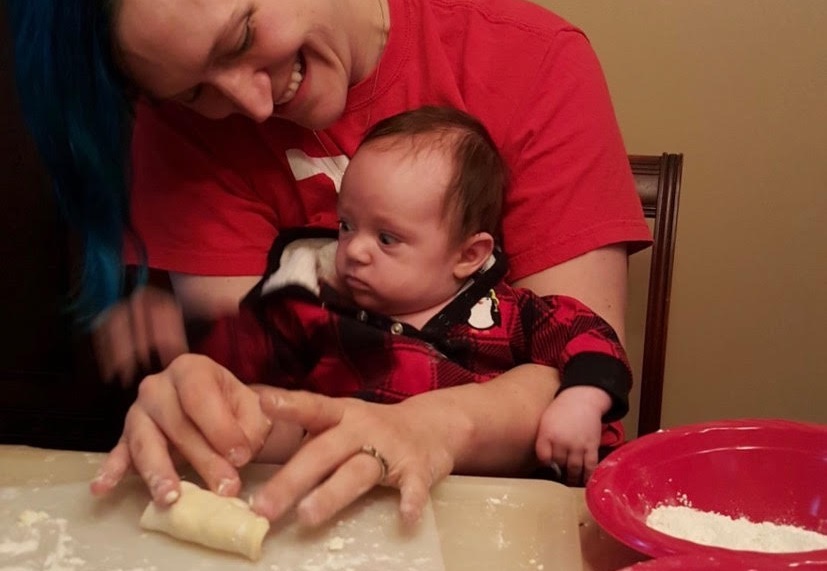
There’s nothing quite like the flavor and texture of homemade pierogis, and the process itself can transform a spring morning into a lively, multi-generational kitchen adventure. Invite grandparents, cousins, aunts, and uncles — everyone can take part and make the day truly special. Every person, old and young, can play a role: some boil, some roll, others pinch, and taggers/baggers can help with freezing. For added liveliness, put polka music on in the background.

What You’ll Need (Serves 4–6)

For the Dough:

  • 2 cups all-purpose flour, plus extra for rolling
  • 1 large egg
  • ½ cup warm water
  • 2 tbsp sour cream or yogurt
  • ½ tsp salt

For Cheese Filling:

  • 1 cup farmer’s cheese (or well-drained ricotta if unavailable)
  • 2 tbsp finely chopped onion (white or yellow)
  • 1 tbsp unsalted butter
  • ¼ tsp salt (adjust to taste)
  • ¼ tsp black pepper
  • Optional: 1 tsp chopped fresh chives or parsley for brightness

Alternate Filling Ideas:

  • Classic potato & cheddar
  • Sauerkraut cooked in bacon fat
  • Steak with hot pepper and cheese
  • Apples with cinnamon

Extras:

  • Rolling pin
  • Round cookie cutter or glass (3-inch diameter)
  • Spoon or small cookie scoop
  • Fork for crimping edges
  • Butter for frying
  • Oil for freezing
  • Freezer bags for storage

Step 1: Make the Dough
Mix flour and salt in a large bowl. Add egg, sour cream, and water, stirring until a dough forms. Knead 5–7 minutes until smooth. Kids can sprinkle flour and gently press dough while adults handle kneading. Cover and let rest.

Step 2: Prepare the Filling
Mash boiled potatoes and mix with cheddar, salt, and pepper for a classic filling. For sauerkraut, sauté it in bacon fat for rich flavor. For the adventurous, combine cooked steak, hot pepper, and cheese. Kids can help mash, mix, and even sprinkle in extras like chopped herbs or mild veggies.

Step 3: Roll and Cut
Dust the counter with flour. Roll dough to about ⅛ inch thick. Kids can help roll, then use a cookie cutter or glass to cut circles. Imperfect shapes are part of the fun — every pierogi is unique!

Step 4: Fill and Fold
Spoon a small amount of filling into each circle. Fold over and pinch edges with fingers or a fork. This is often a kids’ favorite job — just be sure to double-check their work so there are no gaps in the seams that will blow open when boiling.

Step 5: Cook and Freeze
Boil pierogis in salted water until they float (3–5 minutes), then spoon them out and into a bowl of vegetable oil, which prevents them from sticking together. Once cooled, bag them in freezer-safe bags—these keep for up to a year! For a fast meal, defrost in the microwave for 2 minutes, then sauté in warm butter over medium-high until browned on both sides.

Family Fun and Springtime Joy
Pierogi-making is perfect for spring because it’s tactile, social, and hands-on. Kids learn the joy of having an important job to do, while gaining coordination, creativity, and the pride of sharing in a family tradition. While it’s a lot of work, the reward goes well beyond plates piled high with golden, buttery pierogis. The bustling, laughter-filled kitchen and memories you’ll savor long after the last dumpling is gone.

Contact Shine in Bridgehampton to learn more about our Kitchen Stars class for kids.

https://shinenyc.net/wp-content/uploads/2026/03/IMG_0579.jpg 828 1076 Shine https://shinenyc.net/wp-content/uploads/2021/02/Shine-logo-300x220.png Shine2026-03-20 13:56:282026-03-24 15:36:54Springtime Pierogi Fun: A Family Kitchen Adventure Straight From Poland

Celebrate National Scribble Day: Why Scribbling is More Than Just Play

March 18, 2026/in Celebrate, Front Page Blog, Fun, Guide, Learn, Play/by Shine

March 27 marks National Scribble Day, a celebration of imagination, creativity, and self-expression. Founded in 2019 by Diane Alber, author of I’m NOT Just a Scribble, the day encourages children (and adults) to create art without worrying about skill, celebrating creativity, kindness, and individuality.

For parents of kids ages 0–12, it’s the perfect chance to let little hands explore crayons, markers, and paints in a freeform way, without rigid guidance. Scribbling is a fun way to support cognitive growth, emotional expression, and fine motor development, laying the foundation for confident, creative thinkers.

The Surprising Benefits of Scribbling

Tiny scribbles offer big developmental benefits:

1. Fine Motor Skills – Building the Hand Muscles Kids Need to Write

When toddlers grip crayons or markers and experiment with movement, they strengthen the tiny muscles in their hands and fingers that support later writing and self‑care skills. As children practice controlled scribbling and mark‑making, they gradually shift from whole‑arm movements to more refined wrist and finger actions, a key marker of fine motor development.

A 2026 developmental study found that early scribbling and drawing activities significantly boost motor control and foundational skills that are linked to later writing development and literacy.

2. Cognitive Development – Thinking Through Lines and Marks

Drawing isn’t just about moving a crayon—it’s a thinking exercise. When children notice that pressing harder makes a darker line or plan where they’ll put a shape on the page, they’re exploring cause and effect, spatial reasoning, and executive function (planning, decision‑making, attention).

Research shows that early drawing experiences also correlate with emergent literacy and symbolic thinking, helping children make the leap from scribbles to meaningful marks and eventually written language.

3. Emotional Expression – A Window Into How They’re Feeling

For kids who don’t yet have the words to describe big emotions, scribbles can be the words. Engaging in drawing gives children a safe space to express feelings and regulate mood. Studies with school‑age kids show that even brief drawing sessions can improve mood and help children cope with strong emotions.

And because drawing often reflects a child’s world view and experiences, caregivers and educators can learn a lot by asking kids what their marks mean to them.

4. Creativity & Imagination – Turning Lines Into Worlds

Scribbles are the sparks of imagination. What looks like a jumble of lines to adults is often a complex mental image for a child—a garden, a dinosaur, or an imaginary friend. Drawing encourages symbolic thinking, the cognitive ability to let one thing stand for another, which is something children use later in language, math, and storytelling.

Developmental frameworks remind us that early scribbling isn’t random—it’s the first phase of artistic and cognitive growth, where children gradually begin to assign meaning to their marks and develop visual expression.

Fun Scribble Activities by Age

Here are some creative ways to make scribbling engaging for different age groups:

0–2 Years: Exploration & Sensory Play

  • Crayon on large paper: Let babies freely explore with chunky, non-toxic crayons.
  • Finger painting: Safe, edible paints let toddlers experiment with color and texture.
  • Scribble mat: Tape a roll of paper to the floor or table and let them move freely while making marks.

3–5 Years: Storytelling Through Scribbles

  • Shape Scribbles: Encourage your child to scribble shapes—triangles, circles, or simple animals.
  • Color by Emotion: Ask them to scribble with colors that match their feelings.
  • Collaborative Scribble Art: You draw one line, they add another—watch a collaborative “masterpiece” emerge.

6–9 Years: Skills & Imagination

  • Patterned Scribbles: Introduce repetitive designs or doodles to explore patterns and symmetry.
  • Scribble Transformation: Have them turn random scribbles into recognizable pictures—turn a squiggle into a dragon or rocket ship.
  • Mixed Media Fun: Create a scribble using a black marker, then color in the shapes with crayons or colored pencils.

10–12 Years: Refining Creativity & Focus

  • Scribble Mandalas: Inspired by Zentangles, use repetitive circular patterns to create complex, calming artwork.
  • Story Illustration: Use scribbles as the base for illustrating a story they’ve written.
  • Art Journals: Encourage daily scribbling as a form of reflection or mindfulness.

Make Scribbling Part of Your Child’s Day

Scribbling can be a relaxing, screen-free way for children to explore their world and express themselves. You don’t need a special occasion—keep a basket of paper, crayons, and markers handy for spontaneous creative moments.

And if your family is ready to take creativity further, the Shine Studio in Bridgehampton offers a variety of art experiences for kids of all ages—perfect for trying new techniques, discovering different mediums, and letting your child’s imagination shine. Contact us for details on our classes, workshops, break camps, drop-in sessions, and parties.

https://shinenyc.net/wp-content/uploads/2026/03/79606118347__D5C16532-4D9C-46A1-8E4B-16388EDB69D8.jpeg 584 702 Shine https://shinenyc.net/wp-content/uploads/2021/02/Shine-logo-300x220.png Shine2026-03-18 12:11:462026-03-24 13:59:45Celebrate National Scribble Day: Why Scribbling is More Than Just Play

Celebrate Lunar New Year in the Hamptons

February 17, 2026/in Celebrate, Front Page Blog, Fun, Guide, Learn, Make/by Shine

Lunar New Year — also called Spring Festival — is a lively, two‑week celebration that begins on February 17, 2026, ushering in the vibrant Year of the Horse, and culminates with the Lantern Festival on March 3. It’s a wonderful opportunity for families to explore new traditions, enjoy creative activities together, and bring a little cultural magic to late winter in the Hamptons.

What Makes the Year of the Horse Special?

In the Chinese zodiac, the Horse symbolizes energy, adventure, independence, and forward motion — qualities kids can explore in everyday life. Parents can encourage children to set a “Year of the Horse” goal, like channeling their energy into a new activity or skill, practicing courage in small ways, and volunteering for a charitable cause to make a positive impact.

Fun Crafts to Do at Home

Bring Lunar New Year into your living room with craft‑based activities that are easy for even younger kids:

Paper Lanterns with a Horse Twist
Cut bright red and gold construction paper into strips or panels for a classic lantern shape. Fold and glue or staple the paper into a lantern, leaving space at the top to attach a handle. Decorate with horse silhouettes, stickers, or the number “2026” to celebrate the Year of the Horse. Add a ribbon or string at the bottom for extra flair, then hang your lanterns around the house for a festive display.

Zodiac Horse Masks & Puppets
Create colorful popsicle stick puppets or paper bag masks for the zodiac animals — including the horse, rat, snake, and others. Kids can decorate each animal with googly eyes, yarn, and markers, then use them to act out “The Great Race,” the traditional Chinese legend where the animals compete to earn their spots in the zodiac calendar. This adds a playful storytelling element and helps children explore qualities like energy, courage, and determination.

Calligraphy and Lucky Decorations
Use red paper to make simple “福” (fú, meaning “good luck”) signs or banners to hang in windows or doorways. Even if you spell letters in English, talking about the symbolism adds depth and curiosity.

DIY Red Envelopes
Traditionally, red envelopes (hongbao) are given to kids during Lunar New Year for good luck. Families can make their own envelopes and fill them with notes, stickers, money, or small surprises to share wishes for the year ahead.

Celebrate with Food

Food is a big part of Lunar New Year, with many dishes symbolizing something special. For instance, Chinese dumplings represent wealth and family unity. Set up a station with wrappers, veggies, and simple fillings, letting little hands help fold and form. Or try longevity noodles — chang shou mian — which represent a long, healthy life.

Events You Can Enjoy

While major parades and festivals aren’t typical in the Hamptons, but there are a few within an hour’s drive:

LIC Lunar New Year Celebration (Feb. 17–Mar. 3, 2026)
Long Island City hosts a two‑week celebration honoring the Year of the Fire Horse with 50+ community events, including cultural performances, special menus, themed promotions, and family‑friendly activities.

Lunar New Year Celebration at the Suffolk County Vanderbilt Museum & Reichert Planetarium
On February 21, 2026, Centerport’s Vanderbilt Museum invites families to enjoy lucky foods, learn the art of paper lantern making, try your hand at Chinese calligraphy, and hope for a prosperous future with a few traditional good‑luck crafts.

Lunar New Year Program – Year of the Horse (Feb. 21, 2026)
At Connetquot River State Park Preserve in Oakdale, a family-friendly program includes a brisk nature walk, storytelling, and a presentation on Long Island’s equestrian history, plus traditional Lunar New Year‑themed snacks.

Wishing Your Family a Creative Year of Momentum

Shine encourages families to explore traditions, get creative with crafts, and savor time together this Lunar New Year — because winter blues are no match for learning and celebration. For more inspiration, drop by the Shine Studio in Bridgehampton or contact us to learn more about our Lunar New Year activities.

https://shinenyc.net/wp-content/uploads/2026/02/IMG_0532.jpg 1098 1536 Shine https://shinenyc.net/wp-content/uploads/2021/02/Shine-logo-300x220.png Shine2026-02-17 11:47:372026-02-17 11:49:37Celebrate Lunar New Year in the Hamptons

Random Acts of Kindness Day: 40 Easy Ideas for Kids

February 16, 2026/in Celebrate, Front Page Blog, Fun, Guide/by Shine

Random Acts of Kindness Day: 40 Easy Ideas for Kids

Some days, someone’s crying because their banana broke. Someone else is yelling “MINE!” over a toy. And somewhere between the tears and the tantrums, you wish someone would refill your own cup.

So when Random Acts of Kindness Day rolls around each year on February 17, it’s a welcome reminder: even a tiny act of kindness — a shared snack, a helping hand, a kind word — can transform the mood of a hectic day for you, your kids, and for others.

What Is Random Acts of Kindness Day?

Random Acts of Kindness Day is a global celebration of small, everyday good deeds. The day gained popularity in the nineties as part of the growing “kindness movement,” encouraging people to make kindness more intentional, more visible, and more contagious.

The point was never to organize a grand stunt, but rather, to remind people that kindness can be quick, spontaneous, and part of normal life — like holding the door, leaving a note, helping a neighbor, or offering a compliment.

And for families? It’s a perfect opportunity to help kids practice something they’ll use their whole lives: noticing other people.

Because kids don’t just learn kindness when we tell them to “be nice.” They learn it when they see us do it in real life — when we thank the delivery driver, let someone merge in traffic, or take a deep breath instead of snapping when the line at the pharmacy is taking forever.

25 Random Acts of Kindness Day Ideas for Kids

Here are a few kid-friendly ideas to get you started.

Simple Kindness at Home

  • Let a sibling pick the bedtime story.
  • Help set the table.
  • Make a “thank you” card for a parent or caregiver.
  • Tell a family member you love them.
  • Work together to put toys away.
  • Make someone their favorite snack.
  • Say something kind like “You’re a great friend.”
  • Draw a picture for someone in your family.
  • Leave a sweet note on someone’s pillow.
  • Help feed a pet or refill their water bowl.

Kindness in the Neighborhood

  • Hold the door open for someone.
  • Wave and say hello to a neighbor.
  • Pick up litter during a walk.
  • Put a sign in your front window that says “Have a great day!”
  • Bring in a neighbor’s package or newspaper (with permission).
  • Offer to help someone pick up or carry in groceries.
  • Make cookies or muffins and share with someone nearby.
  • Paint kindness rocks with inspiring messages to leave at a local park.
  • Help a neighbor shovel snow, brush off their car, or salt the walkway.
  • Leave a cheerful note on a neighbor’s door.

Kindness at School or Activities

  • Write a note to a coach.
  • Send a “thank you” video to a teacher.
  • Compliment a classmate (“I like your shoes!” works every time).
  • Invite someone to play who seems left out.
  • Share crayons, markers, or supplies.
  • Let someone go first in line or on the playground slide.
  • Thank the bus driver with a small treat.
  • Help a classmate with homework or an assignment.
  • Include someone in a game or activity who usually sits alone.
  • Bring a snack to share with the class.

Kindness Out in the World

  • Donate books or toys your child has outgrown (let them choose what to give).
  • Place an encouraging bookmark in a library book for someone to find.
  • Make cards for a nursing home, children’s hospital, or community group.
  • Pay for the food or drink order of the person behind you in line.
  • Leave a thank-you note for your mail carrier or delivery person.
  • Pick up litter at a local park or playground.
  • Compliment someone at a store (“I like your shoes!” or “Nice backpack!”).
  • Collect gently used clothes or blankets to donate to an animal shelter.
  • Leave quarters at a laundromat with a little note saying, “For you—enjoy!”
  • Drop off a small plant or flowers at a random door with a note: “Have a nice day.”

The Real Goal: Raising Kids Who Notice People

Random Acts of Kindness Day is ultimately about building a family habit of looking around and asking: “How can we make someone’s day easier?”

Because even the smallest act — a smile, a shared toy or snack, or a thank you — reminds kids that they have the power to make the world better.

And that’s a lesson worth practicing.

Choose one small act of kindness to try today, and if you feel like sharing, tag @ShineNYC on Instagram so we can celebrate the good happening in our community.

https://shinenyc.net/wp-content/uploads/2026/02/unnamed.jpg 533 768 Shine https://shinenyc.net/wp-content/uploads/2021/02/Shine-logo-300x220.png Shine2026-02-16 12:05:422026-02-16 12:10:28Random Acts of Kindness Day: 40 Easy Ideas for Kids

Resolutions Your Kids Can Make – and Keep – in 2026

December 22, 2025/in Front Page Blog, Fun, Guide, Learn/by Shine

By mid-January, most adults have already loosened their grip on New Year’s resolutions. For kids, that drop-off can happen even faster—not because children lack motivation, but because many resolutions rely on executive-function skills like impulse control, introspection, and future thinking that are still developing well into adolescence.

Research consistently shows that kids are more likely to follow through when goals are small, specific, emotionally meaningful, and supported by adults. In other words: fewer goals, less pressure, more practice.

As Dr. Laura Markham emphasizes, self-discipline isn’t something children “have” or “don’t have,” but a skill that develops over time with guidance and practice. Resolutions help nurture that skill by letting kids experience success in keeping them.

By upgrading everyday routines into joint resolution exercises, parents can help kids score small successes, build confidence, and tackle resolutions that are realistic and rewarding.

Resolution #1: Try One Hard Task for a Month

A “hard task” may be learning a piano piece, swimming without a float, writing a short story, reading for 30 minutes a day, or finishing a LEGO build without quitting.

Angela Duckworth’s research on grit emphasizes that perseverance grows when children engage in deliberate practice for a limited time, not endless pressure. Starting with a month provides a long enough runway to feel progress—without overwhelming.

What to say as a parent:
“You don’t have to love it. You just have to try.”

What kids learn:

  • Effort changes ability.
  • Discomfort doesn’t mean failure.
  • Quitting isn’t the same as stopping intentionally.

Resolution #2: Practice Fixing Mistakes (Not Avoiding Them)

Many kids avoid challenges because mistakes feel personal. A powerful resolution is learning how to repair and rebound.

This might look like:

  • Apologizing when they hurt someone
  • Giving the next practice their all after losing a game
  • Asking for help instead of melting down

Psychologist Dr. Ross Greene notes that “kids do well if they can.” When kids seem “challenging,” it’s usually because they’ve encountered a skills gap and don’t know how to handle it. Practicing repair builds emotional regulation and resilience far more effectively than insisting on “better behavior.”

Parents can think of this resolution as a weekly reflection, not a daily task:
“What was one thing that didn’t go well this week? What did you do next?”

What kids learn:

  • Mistakes are survivable.
  • Relationships can be repaired.
  • Effort counts more than outcome.

Resolution #3: Do One New Thing Each Month

Novelty builds confidence – especially when the stakes are low.

Trying one new thing a month could be:

  • A short workshop
  • A new art material
  • A science experiment
  • A camp day or class
  • A new friendship

Child development research shows that varied experiences help children discover intrinsic motivation – the kind that lasts longer than rewards or pressure. When kids sample activities without commitment, they learn who they are.

This is where Shine NYC naturally fits in – not as a promise of mastery, but as a place to try. Camps, courses, and workshops give kids structured novelty with support, which is exactly the combination that will help them keep this resolution.

What kids learn:

  • Curiosity is an engine for learning.
  • New doesn’t mean scary.
  • Interests can change—and that’s okay.

Resolution #4: Talk About Feelings Once a Week

Emotional literacy grows when kids have predictable, low-pressure moments to reflect. Weekly check-ins—during a walk, at bedtime, or over a snack—are far more effective than constant emotional coaching.

Studies in child psychology show that naming emotions helps children regulate them later. But timing matters: kids open up when they feel safe, not interrogated.

Parents might try a simple question:
“What was something that felt hard this week?”

What kids learn:

  • Feelings aren’t emergencies.
  • Adults are safe to talk to.
  • Reflection builds self-awareness.

What Helps Kids Stick With a Resolution?

Once an idea’s selected, parents can support a resolution by keeping these concepts in mind:

  • Time-bound goals beat ongoing ones. “Every day” is abstract. “Once a week” or “for one month” feels possible. Once the first milestone’s reached, a new one can be set.
  • Identity matters. Kids stick with goals that help them see themselves differently (like “I’m someone who tries”) rather than goals that focus on outcomes (like “I’ll get straight As on my spelling tests.”)
  • Adult scaffolding is key. Children are more likely to succeed when adults co-regulate – reminding, practicing, and adjusting expectations – and model what success looks like.
  • Repair matters more than perfection. Confidence grows not from never making mistakes, but from recovering from setbacks and gaining the ability to influence one’s environment. Kids sometimes need a reminder that following through after forgetting a resolution matters more than perfection.

The Real Goal of Kids’ Resolutions

The point isn’t follow-through for its own sake.

It’s helping kids experience:

  • “I can try.”
  • “I can mess up and recover.”
  • “I can finish something hard.”

Those lessons last longer than January – and they’re the kind that quietly shape who kids become. If your child keeps one resolution this year, that’s no small win. That’s growth.

https://shinenyc.net/wp-content/uploads/2025/12/unnamed.jpg 379 555 Shine https://shinenyc.net/wp-content/uploads/2021/02/Shine-logo-300x220.png Shine2025-12-22 16:47:462025-12-22 16:56:58Resolutions Your Kids Can Make – and Keep – in 2026

10 Fun & Mindful Ways to Keep Kids Engaged This Holiday Season (Without Screen Overload)

December 22, 2025/in Celebrate, Front Page Blog, Fun, Guide, Learn, Make, Play/by Shine

December is a whirlwind: parties, school breaks, holiday crafts, and yes… the endless question of “What can I do now?” from our overstimulated kids. Between juggling work, holiday errands, and family time, it can feel impossible to keep everyone entertained without leaning on screens.

The good news? With a little planning and creativity, this season can be joyful, connected, and surprisingly calm. Here are 12 ideas to keep kids aged 2–12 happily engaged – and maybe even teach them a little mindfulness along the way.

1. Holiday Crafts

Toddlers and preschoolers love simple, tactile projects: pinecone ornaments, handprint snowflakes, or modeling clay decorations. Older kids may prefer the challenge of mini gingerbread houses or DIY holiday cards for relatives.

2. Storytime with a Twist

Transform classic holiday tales into interactive adventures by downloading a few free scripts. Ask questions, act out parts, or let kids create alternate endings. It’s a fun way to spark imagination—and sneak in cozy reading time.

3. Mindful Moments

December can feel hectic. Introduce simple mindfulness exercises like “holiday breathing” (inhale for four, exhale for four) or a gratitude jar. Even 2–5 minutes of calm can help kids—and parents—reset before the next round of festivities.

4. Family Movement Breaks

Bundle up and go for a winter walk, a neighborhood scavenger hunt, or a backyard snow game. For indoor days, try kid-friendly yoga or dance parties. Moving together burns energy, lifts moods, and keeps everyone healthy.

5. Acts of Kindness

Encourage giving back with age-appropriate projects: packing small care boxes for neighbors, making cards for nursing homes, or donating toys, framing them as ways to share time, talent, and treasure.

6. Baking & Kitchen Fun

Mixing, measuring, and decorating holiday treats is a screen-free delight. Toddlers can stir, older kids can handle cookie cutters, and everyone gets to enjoy the tasty results. Bonus: it’s a practical—and delicious—way to encourage following instructions and teach patience.

7. Music & Movement

Sing, dance, or even make DIY instruments from household items. Holiday music can spark joy, encourage coordination, and turn a living room into an instant family stage. Who knows—Santa might even bring a karaoke machine this year!

8. Puzzle & Game Challenges

Board games, card games, and puzzles keep kids engaged for longer stretches and teach patience, strategy, and cooperation. Rotate a few favorites each week to keep excitement high.

9. Holiday Nature Hunts

Explore local parks or even your backyard for seasonal treasures: pinecones, acorns, or winter berries. Collect items for crafts or decorations, or simply enjoy the fresh air. Nature walks also help kids notice small details and develop mindfulness.

10. Quiet Corner Kits

Create a small “calm corner” with coloring books, fidget toys, and a cozy blanket. Kids can retreat here when overstimulated, helping them regulate emotions independently.

December doesn’t have to be all chaos and defaulting to screen time. With small intentional moments, you can help your kids feel engaged, connected, and mindful—while keeping your sanity intact.

If your kids are really begging for screens, they might just be craving some mindless downtime—and that’s okay. Consider joining in and finding ways to make it a learning and bonding experience.

Here’s to a festive season filled with creativity, movement, and mindful moments—because the best holiday memories are made together. Keep shining.

https://shinenyc.net/wp-content/uploads/2025/12/91418.jpg 1065 1206 Shine https://shinenyc.net/wp-content/uploads/2021/02/Shine-logo-300x220.png Shine2025-12-22 16:33:382025-12-22 16:38:0310 Fun & Mindful Ways to Keep Kids Engaged This Holiday Season (Without Screen Overload)

Apples Everywhere! Easy Recipes For Your Fall Orchard Haul

September 25, 2025/in Celebrate, Front Page Blog, Fun, Guide, Taste/by Shine

Fall in New York means apple season. If your family has a trip planned to the orchard (or just comes home with a big bag from the farmer’s market), chances are you’ll end up with more apples than you know what to do with. The good news? Apples are the perfect ingredient for kid-friendly kitchen fun. These recipes are simple enough for little helpers and tasty enough for the whole family.

Here are five ideas to make the most of your apple haul:

1. No-Bake Apple Pie Parfaits

When the kids get home from school and need something sweet but not too heavy, this parfait checks every box. It layers all the cozy flavors of apple pie in a quick, no-bake snack.

How to make it:

  • Sauté chopped apples with a sprinkle of cinnamon until just soft.
  • In a clear cup, layer Greek yogurt (or whipped cream), the warm apples, and crushed graham crackers.
  • Let kids top their parfait with granola, raisins, or a drizzle of honey.

Kid job: Crushing graham crackers and layering the ingredients.

2. Apple “Donuts”

This recipe is half snack, half art project. Kids love turning apple slices into edible masterpieces.

How to make it:

  • Slice apples crosswise into rounds, then use a small cookie cutter (or bottle cap) to pop out the core.
  • Spread with cream cheese, nut butter, or sunflower butter.
  • Set out toppings like shredded coconut, mini chocolate chips, dried fruit, or rainbow sprinkles and let kids decorate.

Kid job: Choosing the toppings and designing their own “donut.”

3. Cheesy Apple Grilled Sandwiches

When the weather cools down, this twist on grilled cheese feels like the ultimate comfort food. The crisp apple slices cut through the melty cheddar for a sweet-and-savory bite.

How to make it:

  • Butter two slices of bread.
  • Layer cheddar cheese and thinly sliced apples inside.
  • Grill in a skillet until golden brown and gooey.
  • Pair with tomato soup for an easy dinner.

Kid job: Laying the apple slices and cheese on the bread before grilling.

4. Slow-Cooker Applesauce

This one will make your whole house smell like fall. It’s low-effort, delicious, and doubles as a sensory experience for little chefs.

How to make it:

  • Peel and chop 8–10 apples.
  • Toss into a slow cooker with a splash of water, a sprinkle of cinnamon, and a spoonful of brown sugar (optional).
  • Cook on low for 4–6 hours, then mash with a fork for chunky applesauce or blend for smooth.

Kid job: Stirring the pot (with supervision) and taste-testing to decide if it needs more cinnamon.

5. DIY Caramel Apple Bar

This is more of a party idea than a recipe—and it’s guaranteed to be a hit for playdates or family gatherings.

How to make it:

  • Slice apples into wedges and stick each wedge on a popsicle stick.
  • Melt caramel or chocolate for dipping.
  • Fill bowls with toppings: crushed pretzels, mini marshmallows, sprinkles, graham cracker crumbs, or chopped nuts.
  • Let everyone dip and roll to create their own “mini caramel apple.”

Kid job: Choosing their toppings and decorating their apple slices.

Why Cook With Kids?

Beyond the tasty results, inviting children into the kitchen encourages independence, sparks creativity, and introduces basic math and science skills in a hands-on way. Measuring flour, counting apple slices, or watching apples transform into warm sauce are all mini lessons wrapped in fun.

And perhaps the biggest benefit? It slows everyone down. Amid school schedules, after-school activities, and the busyness of fall, cooking together creates a pocket of connection—something families will remember just as fondly as the orchard trip itself.

Want more ways to keep the creativity flowing this fall? Check out Shine’s classes and events designed for kids (and parents) to learn, play, and grow together.

https://shinenyc.net/wp-content/uploads/2021/09/apple-recipes-image.jpg 1081 1440 Shine https://shinenyc.net/wp-content/uploads/2021/02/Shine-logo-300x220.png Shine2025-09-25 16:18:022025-10-19 19:07:33Apples Everywhere! Easy Recipes For Your Fall Orchard Haul

Labor Day Party Crafts: Fun for Kids, Festive for All

August 20, 2025/in Celebrate, Front Page Blog, Fun, Guide, Make, Party/by Shine

Labor Day weekend marks the unofficial end of summer—and one last chance to gather friends and family before the school year begins. If you’re hosting a barbecue, picnic, or rooftop get-together, having a few hands-on crafts ready for the kids is a great way to keep them engaged and add a festive touch to your party décor.

Paper Plate Fans (Ages 2-8)

Perfect for a hot August afternoon—and simple enough for toddlers.

paper plate fans

Supplies: Sturdy paper plates, large craft sticks, tape, markers, stickers.

Kids can color and decorate a paper plate, then tape or staple a craft stick to the back. For extra fun, provide stickers shaped like popsicles, watermelon, or sunglasses. Not only are they cute, but they’ll also help everyone stay cool during the party.

Bubble Wand Workshop (Ages 2-8)

For younger party guests, bubbles are magic.

Bubble Wand Making Station - Red Ted Art - Kids Crafts

Supplies: Chenille stems (pipe cleaners), beads, ribbon, cookie cutters, a bowl of bubble solution.

Kids can wrap a pipe cleaner snugly around the cookie cutter of their choice to form its shape. Twist the ends together a few times to secure it and use any remaining length as the bubble wand handle. Slide beads onto the handle and tie on a ribbon for extra flair. Set up a bubble-blowing zone so kids can immediately test out their creations.

Community Mural or Tablecloth (Ages 2-12)

For a big-group craft, set out a roll of butcher paper across a fence, wall, or table.

Preschool Community Mural

Supplies:
Washable markers, crayons, stickers, stamps, scissors, construction paper, stencils

Invite kids to collaborate by drawing and coloring buildings, roads, trees, and community workers using washable markers and crayons. Provide stencils to help with tracing shapes like houses and trees, and stamps for adding fun patterns or textures throughout the mural. Kids can also cut out windows, doors, or people from construction paper and glue them onto the mural for a creative 3D effect. Stickers add colorful accents like flowers or vehicles to bring the community scene to life. This mix of materials encourages creativity and teamwork, resulting in a vibrant, personalized mural everyone can enjoy.

DIY Picnic Table Centerpieces (Ages 3-12)

Decorate mason jars with colorful star-shaped tissue paper for a fun, festive centerpiece.

Tissue paper stained glass mason jar craft. Red white blue tissue paper craft. Mod Podge jar in red, white blue. Star shaped tissue paper decoupage mason.

Supplies: Small mason jars, red and blue tissue paper (cut or pre-cut into star shapes), Mod Podge, foam brushes, LED tea candles

Using a foam brush, apply a thin layer of Mod Podge or diluted glue to the outside of the jar. Press star-shaped tissue paper pieces onto the jar one at a time, overlapping them to create a vibrant pattern. Once the jar is fully covered, seal with another thin layer of Mod Podge on top. Allow to dry completely. Place an LED tea candle inside to make the stars glow beautifully as part of your Labor Day table décor.

Patriotic Pinwheels (Ages 5-12)

Pinwheels are a nostalgic summer staple — and surprisingly easy to make.

July 4th Pinwheel Craft for Kids Using Scrapbook Paper

Supplies: Colorful cardstock, scissors, push pins, pencils with erasers, markers.

Cut a 6-inch square from cardstock or scrapbook paper and mark the center. Draw a diagonal from each corner toward the center, stopping about 1 inch short, then cut along the lines. Fold every other corner toward the middle without creasing, stack them, and push a pin through the tips into a pencil eraser (add a bead between the paper and eraser for smoother spinning). Adjust the pin if it’s too tight, then let the kids test their creations with a few spins or a backyard breeze.

“Back to School” Friendship Bracelets (Ages 6-12)

Labor Day also signals a fresh start for new classrooms and friendships.

290 Friendship bracelets ideas | friendship bracelets, bracelets, diy  bracelets

Supplies:
Embroidery floss, beads, letter charms.

Set out different colors of floss and let kids choose a combination that feels like “summer” or “school spirit.” Encourage them to make two bracelets—one to keep and one to give a friend. This is a great low-mess activity for older elementary kids while younger ones can string large beads on elastic cord.

Tin Can Flags (Ages 8–12, with adult help for drilling/nailing)


These upcycled lanterns add a charming glow to your Labor Day evening.

Supplies: Clean, empty tin cans; red, white, and blue paint; paintbrushes; drill or hammer and nails; tea lights or LED tea lights.

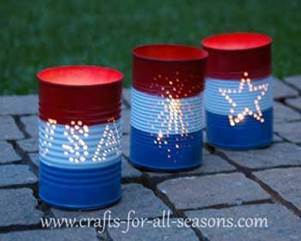
Turn recycled tin cans into glowing, patriotic lanterns. Clean and dry old cans, then paint thick red, white, and blue stripes around the outside. While the paint dries, give your child a Post-It Note to draw a design — maybe a star, firework, or “USA” letters. Affix the Post-It to the side of the can and use a drill or hammer and nails to punch small holes following their pattern. Drop an LED tea light inside for a magical, festive glow along tables, steps, or railings.

It’s Not Too Late For a Shine Event


With just a few simple setups, your Labor Day gathering can shift from “keeping kids busy” to “making memories.” If you live in the Hamptons and you’ve got your hands full, Shine educators are happy to bring the craft party to you. We’ll not only bring all the supplies needed for crafts and activities but also provide educational entertainment and handle cleanup—so adults can truly relax and enjoy the celebration. Contact us for details.

https://shinenyc.net/wp-content/uploads/2025/08/523660800_18523814014060511_5365947487138627599_n.jpg 727 1170 Shine https://shinenyc.net/wp-content/uploads/2021/02/Shine-logo-300x220.png Shine2025-08-20 12:16:082025-09-18 13:15:10Labor Day Party Crafts: Fun for Kids, Festive for All

I Love Horses Day in the Hamptons: A Perfect Excuse For A Family Ride

July 2, 2025/in Celebrate, Front Page Blog, Fun, Guide, Learn, Play/by Shine

July 15 is I Love Horses Day — a national celebration of the animals kids draw, role play, and dream about, year after year. In the Hamptons, this day serves as a golden opportunity for families to step outside, try something new, and create a summer memory your child will never forget.

You don’t need to own boots, breeches, or a pony of your own to enjoy the world of horses. All you need is a little curiosity, a short drive to one of the area’s incredible riding centers, and a kid who’s ready for a hands-on adventure.

Why Horses Are Good for Kids

While riding may feel like pure summer fun, studies show it also supports kids’ physical, emotional, and cognitive development in powerful, lasting ways:

1. They build strong bodies and focused minds.
Horseback riding is a full-body workout. According to research, riding improves children’s balance, coordination, core strength, and posture. Even kids who aren’t particularly athletic can benefit from the subtle physical engagement that riding provides.

And it doesn’t stop at movement. A 2017 study in Frontiers in Public Health showed that just 45 minutes of horse riding boosted children’s executive functioning—like memory, decision-making, and focus. The gentle rhythm of a horse’s gait actually stimulates the nervous system and activates the brain.

2. Horses help with emotional growth.
Unlike a screen or structured team sport, horses respond to how your child shows up emotionally. They don’t care about winning—they care about calm confidence. According to the Journal of the American Academy of Child and Adolescent Psychiatry, working with horses helps reduce anxiety and build self-esteem, especially in neurotypical kids who are learning to self-regulate and manage big feelings.

3. It teaches empathy, responsibility, and resilience.
Whether your child is brushing a pony, helping clean a stall, or learning to lead on the ground, time with horses teaches patience and care. Equestrian programs often include routines that encourage responsibility and help kids grow—feeding, grooming, and listening to the needs of another living being. It’s empowering, especially for kids used to fast feedback and digital rewards.

Where to Ride with Kids in the Hamptons

Whether you have a toddler who wants to meet a gentle mini horse or an elementary schooler ready for their first trail ride, there’s a perfect experience waiting right here on the East End.

Try one of these local farms:

  • Deep Hollow Ranch – Montauk
    The oldest working ranch in the U.S. offers scenic beginner-friendly rides, including pony rides for ages 5+, and family trail rides for ages 6+. The views alone are worth the visit.
  • Stony Hill Stables – Amagansett
    With private lessons for ages 4+, summer camp programs, and a strong reputation for working with children, this family-run stable is a local favorite.
  • East End Stables — East Hampton
    An excellent spot for year-round learning, offering beginner lessons and horsemanship experiences tailored for younger riders, ages 3+ are welcome.
  • Gray Horse Farm — Bridgehampton
    With expert horseback riding lessons for ages 5+, enjoy multiple indoor and outdoor arenas, boarding options, and a summer pony camp on a spacious 115-acre farm.
  • Amaryllis Farm Equine Rescue – Sagaponack
    This nonprofit sanctuary offers educational visits that teach compassion and respect through hands-on encounters. Equestrian care training and rides start at ages 5+.

How to Prep for a Positive First Experience

  • Wear closed-toe shoes and long pants.
  • Bring water, snacks, sunglasses, bug repellent, and sunscreen.
  • Let kids know what to expect — read a horse-themed book or watching a short video.
  • Don’t push it. Some kids may only want to observe or brush a horse their first time. That’s still a big win.

Reins in Hand, Heart Full

At Shine, we believe in experiences that build confidence, spark wonder, and invite kids to step into the world—fully present. Horseback riding does all of that and more. This I Love Horses Day, give your child something they won’t find on a screen: the quiet thrill of connecting with a gentle giant, the confidence of trying something new, and the memory of a summer day spent outdoors, together.

https://shinenyc.net/wp-content/uploads/2025/07/unnamed.jpg 1197 1170 Shine https://shinenyc.net/wp-content/uploads/2021/02/Shine-logo-300x220.png Shine2025-07-02 11:34:392025-07-02 11:34:40I Love Horses Day in the Hamptons: A Perfect Excuse For A Family Ride
Page 1 of 13123›»

Recent Articles

  • Helping Kids Navigate Post-Election AnxietyNovember 16, 2024 - 11:52 pm
  • Weekly Adventures Around the World: Cultural Learning Through PlayJuly 5, 2024 - 2:39 pm
  • Nurturing Healthy Habits: 5 Benefits of Cooking With Your KidsMay 31, 2024 - 12:33 pm
  • Mental Health Awareness Month: Spotlight on TweensMay 25, 2024 - 1:11 pm
  • Joyful Journeys: The Benefits of Raising Puppies for Children Ages 0-12April 28, 2024 - 7:07 pm
  • Celebrate Siblings Day: Fun Ideas for Family BondingApril 9, 2024 - 2:57 pm
  • Five Unique Twists on Spring Egg DyeingMarch 15, 2024 - 3:43 pm
  • Spring Into Science: 5 Easy Experiments for Kids to Enjoy at HomeMarch 1, 2024 - 4:42 am
  • Half-Day vs. Full-Day Camps – What’s Best for Your Child?February 16, 2024 - 6:49 pm
  • Igniting Creativity: Celebrate National Inspire Your Heart With Art Day with KidsJanuary 15, 2024 - 5:35 pm
  • Early Childhood Education Plays a Crucial Role in a Post-Pandemic WorldJanuary 11, 2024 - 12:15 am
  • Fun New Year’s Crafts That Spark Creativity and JoyDecember 22, 2023 - 9:52 pm
  • Building Family Bonds: One Brick at a TimeDecember 19, 2023 - 6:47 pm
  • Harvesting Confidence: A Guide to Helping Children Overcome Negative Self-Talk During Pre-AdolescenceNovember 28, 2023 - 7:13 pm
  • Celebrating World’s Children Day on November 20thNovember 16, 2023 - 4:08 pm
  • 12 Reasons to Introduce Your Child to Photography as a HobbyOctober 21, 2023 - 8:13 pm
  • Fall Fun: East End’s Pumpkin Patches and Crafty IdeasOctober 3, 2023 - 2:04 am
  • https://www.longislandadvance.net/stories/patchogue-unidos,93162
    Celebrating Hispanic Heritage Month: Family-Friendly ActivitiesSeptember 10, 2023 - 6:07 pm
  • The Summer of Canadian Wildfires: How To Explain the Effects of Climate Change With Your ChildAugust 6, 2023 - 4:36 pm
  • Be Sure To Pack In These Sweet End-of-Summer CelebrationsAugust 3, 2023 - 4:26 pm
  • Summer Strategies for Building Healthy Tech HabitsJuly 31, 2023 - 12:28 am
  • Essential Social Skills for Your Kids—And How To Help Build ThemJuly 20, 2023 - 3:20 pm
  • Long Island Family Camping Adventures: Benefits, Activities & DestinationsMay 17, 2023 - 10:51 pm
  • DIY Memorial Day Gifts: Fun Crafts for Kids and AdultsMay 14, 2023 - 5:56 pm
  • Funny Business: Exploring the Benefits of Family Laughter in National Humor MonthApril 26, 2023 - 5:40 pm
  • 8 Fun Easter Traditions from Around the WorldApril 3, 2023 - 10:02 pm
  • How To Throw a Spring Color PartyMarch 23, 2023 - 4:04 pm
  • Women’s History Month: 3 Changemakers, Crafts, & CookiesMarch 23, 2023 - 3:48 pm
  • Happy Lunar New Year!January 24, 2023 - 5:33 pm
  • 4 More Ways to Encourage Resilience in ChildrenJanuary 11, 2022 - 12:00 am
  • 10 Ways for Families to Practice GratitudeNovember 11, 2021 - 8:48 pm
  • Whisker Wonders: How Kittens Boost Kids’ Creativity and ConfidenceMarch 24, 2026 - 3:34 pm
  • Springtime Pierogi Fun: A Family Kitchen Adventure Straight From PolandMarch 20, 2026 - 1:56 pm
  • Celebrate National Scribble Day: Why Scribbling is More Than Just PlayMarch 18, 2026 - 12:11 pm
  • Celebrate Lunar New Year in the HamptonsFebruary 17, 2026 - 11:47 am

Categories

  • Celebrate (141)
  • Front Page Blog (109)
  • Fun (124)
  • Guide (226)
  • Learn (113)
  • Make (61)
  • Party (31)
  • Play (68)
  • Read (21)
  • Shine 9 (8)
  • Style (2)
  • Taste (50)
  • Uncategorized (4)

Subscribe To Our Newsletter

Shine Logo

ServicesEventsAboutBlogContact

212-414-5427
info@shinenyc.net
For Media Inquiries, Contact media@shinenyc.net
Location New York, NY 10036
Location Sag Harbor, NY 11963
Follow Us
FacebookTwitterPinterestInstagramYoutube

Site Map | Copyright ©2025 Shine Creative, Inc.

Website and SEO by RazorRank

Scroll to top